How Liquid Turns Into Giant Round Foam Rolls.
Title: From Liquid Solution to Giant Round Foam Rolls: The Science of Foam Expansion Unveiled
Have you ever marveled at those massive, cylindrical foam rolls used in industrial packaging, furniture cushions, or insulation? These lightweight yet resilient giants start their lives as unassuming liquid mixtures before undergoing a fascinating transformation. In this deep dive, we explore the chemical magic and manufacturing processes that turn ordinary liquids into towering circular foam blocks.
The Core Ingredients: What’s in the Liquid Mix?
Liquid foam starts as a carefully formulated blend of key components:
- Polymers: Polyurethane (PU) is most common, created by reacting isocyanates with polyols.
- Surfactants: Act as “foam stabilizers,” controlling bubble structure.
- Blowing Agents: Chemicals (like water or pentane) that generate gas to expand the foam.
- Catalysts & Additives: Speed up reactions and add fire resistance or color.
The Foaming Process: A Chemical Ballet
When these liquids mix, a symphony of chemical reactions unfolds:
-
Mixing & Gas Release:
Blowing agents react to release carbon dioxide (CO₂) or vaporize into gas (e.g., pentane), creating bubbles within the liquid matrix. -
Surfactant Action:
Surfactants lower surface tension, allowing bubbles to multiply without collapsing. Think of them as bubble bodyguards. -
Polymerization:
As bubbles grow, the polymer solidifies around them, locking the foam’s structure. For PU foam, this happens when isocyanates bond with polyols—a reaction that also releases heat to further expand the foam.
Shaping Liquid into Giant Round Foams: Manufacturing Secrets
To achieve those perfect cylinders, factories use specialized techniques:
- Continuous Extrusion (Slabstock Foam):
Liquid is poured onto a conveyor belt inside a long tunnel. As it expands upward and sideways, side restraints shape it into a rectangular block, later cut into rolls. - Cylindrical Molds:
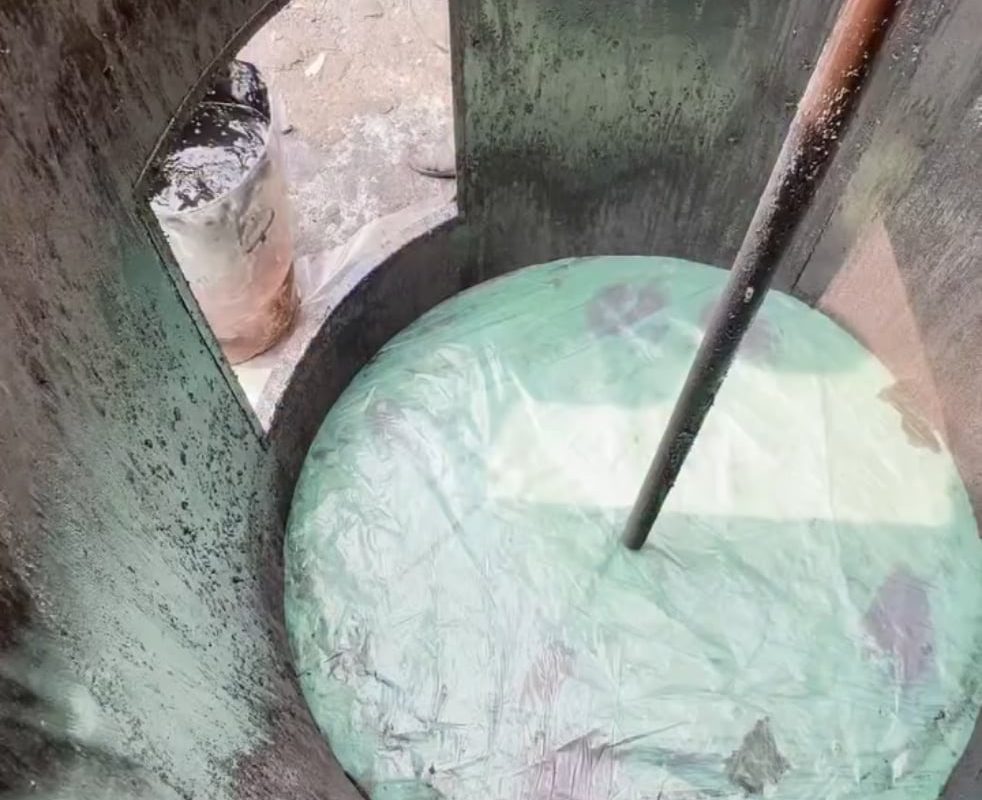
For rounded shapes, liquid foam is injected into rotating cylindrical molds. Centrifugal force ensures even distribution. - Post-Processing:
Fresh foam is cured (hardened) in temperature-controlled rooms, then sliced into rolls of specific thicknesses using hot wires or blades.
Why Foam Rolls Are Round (or Cylindrical)
- Structural Integrity: Cylinders distribute pressure evenly, minimizing deformation.
- Efficient Storage & Shipping: Round rolls maximize space in transport and reduce material waste during cutting.
- Versatility: Easily rolled or unrolled for applications like carpet underlay or protective wrapping.
Real-World Applications
Giant foam rolls aren’t just for show—they’re workhorses in:
- Construction: Insulation pipes and soundproofing.
- Furniture: Cushion cores for sofas and mattresses.
- Packaging: Protective wrapping for fragile goods.
- Automotive: Sealing components and dampening vibrations.
The Sustainability Factor
Modern foam production prioritizes eco-friendliness:
- Bio-Based Polyols: Derived from soy or sugarcane, reducing fossil fuel reliance.
- Recycled Foam: Post-industrial scraps are shredded and bonded into new rolls.
- Low-GWP Blowing Agents: Replacing ozone-harming chemicals with water or CO₂-based alternatives.
FAQs: Liquid-to-Foam Mysteries Solved
Q: How long does the expansion process take?
A: From liquid to solid foam, it can take 5–30 minutes, depending on the formulation.
Q: Can foam rolls be customized?
A: Yes! Density, firmness, color, and diameter are tailored to industry needs.
Q: Is the foam flammable?
A: Raw foam can be, but additives make most commercial grades flame-retardant.
Conclusion: Where Chemistry Meets Engineering
The journey from liquid to colossal foam roll is a blend of precise chemistry and clever engineering. Next time you encounter one of these lightweight giants, you’ll appreciate the science that transformed a simple solution into a product that shapes our comfort, safety, and daily lives.
Optimized Keywords: foam roll manufacturing, liquid to foam process, polyurethane foam expansion, foam extrusion, cylindrical foam production, industrial foam applications.
Meta Description: Discover how liquid chemicals transform into giant foam rolls through polymerization, gas expansion, and precision engineering. Explore the science behind industrial foam manufacturing.