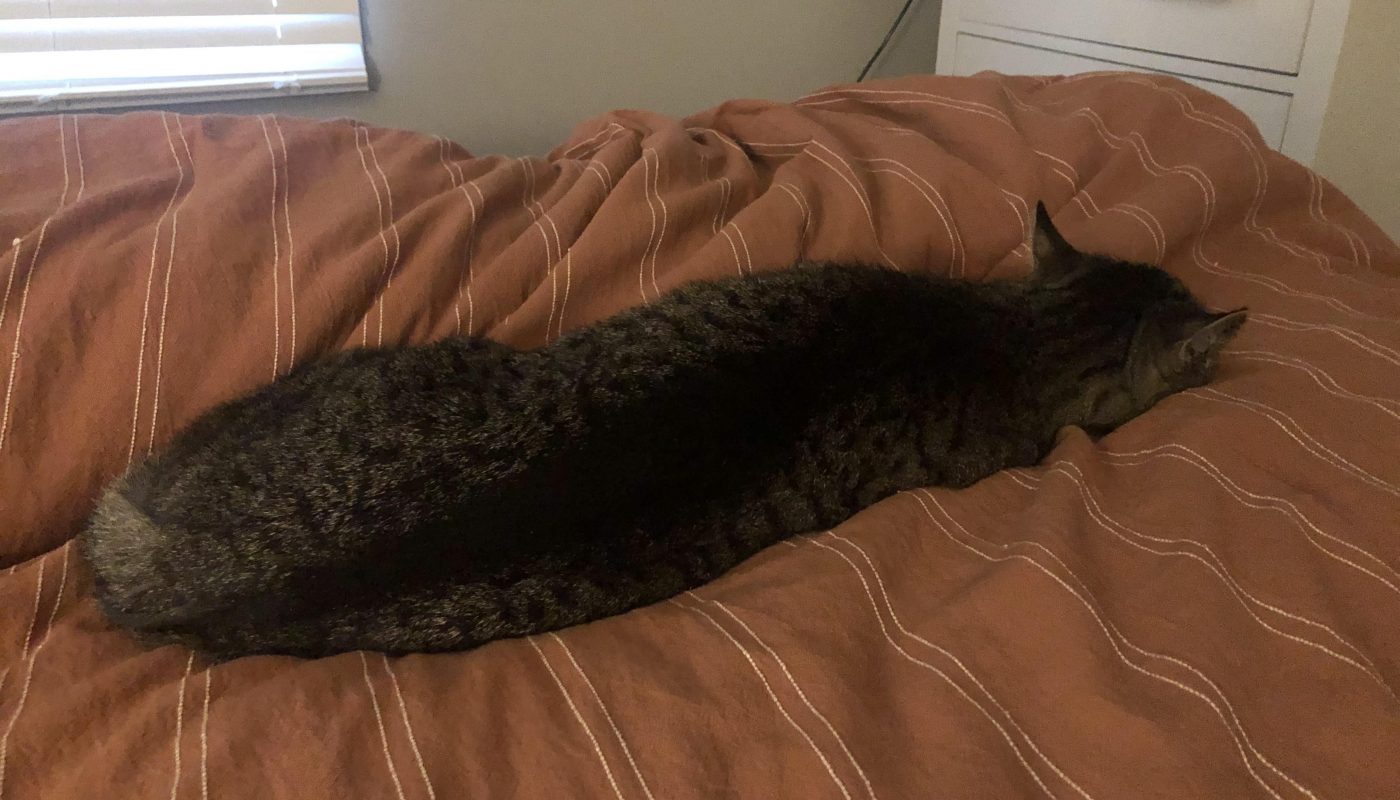
How long my cat looks when he’s sleeping
Title: How Long Do Cats Sleep? Understanding Your Cat’s Snooze Patterns
Meta Description: Curious about how long your cat sleeps? Learn why cats sleep so much, what’s normal, and when to be concerned. Discover fascinating facts about your feline’s snooze habits!
Does your cat spend hours curled up in sunbeams or draped over your favorite chair? If you’ve ever wondered, “How long does my cat sleep?” you’re not alone. Cats are masters of rest, but their impressive snooze schedules can leave owners puzzled (or even worried). In this article, we’ll break down everything you need to know about your cat’s sleeping habits—from average sleep duration to reasons behind their sleepy lifestyle.
Why Do Cats Sleep So Much?
Cats are crepuscular animals, meaning they’re most active during dawn and dusk. In the wild, this rhythm aligns with hunting, while domestic cats retain this instinctual energy conservation. Sleeping allows them to save energy for short bursts of play or exploration. Additionally, their sleep cycles differ from humans: Cats alternate between light dozing (about 15–30 minutes) and deep REM sleep (5–10 minutes), repeating this pattern throughout the day.
How Long Is “Normal” for a Cat’s Sleep?
On average, adult cats sleep 12–16 hours per day, while kittens and seniors may sleep up to 20 hours. This depends on factors like:
- Age: Kittens need more sleep for growth; seniors rest more due to lower energy.
- Health: Illness, pain, or stress can increase sleep duration.
- Environment: Bored or understimulated cats may sleep excessively.
Sleep Duration by Age:
| Age Group | Daily Sleep Hours |
|---|---|
| Kittens (0–6 months) | 18–20 hours |
| Adult Cats (1–10 years) | 12–16 hours |
| Senior Cats (10+ years) | 16–20 hours |
When Should You Be Concerned?
While long naps are normal, watch for these red flags:
- Sudden changes in sleep patterns (e.g., sleeping far more or less than usual).
- Lethargy paired with symptoms: Loss of appetite, vomiting, hiding, or labored breathing.
- Disrupted nighttime activity: Cats awake all night may be bored or anxious.
If you notice these signs, consult your vet to rule out issues like hyperthyroidism, arthritis, or depression.
Tips for Supporting Healthy Cat Sleep
- Enrich Their Environment: Provide towers, toys, and puzzle feeders to keep them active during waking hours.
- Establish a Routine: Feed and play at consistent times to regulate their energy cycles.
- Create Cozy Spaces: Offer warm, quiet beds (cardboard boxes work wonders!).
- Nighttime Calm: Use interactive play before bed to tire them out and avoid midnight zoomies.
FAQs About Cat Sleep
Q: Do cats dream?
Yes! During REM sleep, cats may twitch, purr, or “chatter”—a sign they’re dreaming about chasing birds or treats.
Q: Why does my cat sleep on me?
This is a sign of trust and affection. Your body heat and heartbeat mimic the comfort of their mother.
Q: Is my cat lazy?
Nope—sleeping is instinctual! Unless they’re avoiding play or food, they’re likely just recharging.
Final Thoughts: Embrace the Zzz’s
Next time you catch your cat snoozing the day away, remember: Their marathon naps are a natural, healthy behavior. By understanding their sleep needs and providing a stimulating environment, you’ll ensure your feline friend stays happy and energized (for those 3 a.m. wake-up calls!).
Keyword Recap: how long do cats sleep, cat sleep duration, why cats sleep so much, cat sleeping habits, is my cat sleeping too much.
Liked this article? Share it with fellow cat lovers! 🐾