How the famous “sitting in the air” trick works
Meta Title: How Does the “Sitting in the Air” Trick Work? The Science Behind the Illusion
Meta Description: Discover the secrets of the famous “sitting in the air” magic trick. Learn how levitation illusions like David Blaine’s work using physics, psychology, and clever design.
How the Famous “Sitting in the Air” Trick Works: Unmasking the Illusion
Few magic tricks captivate audiences like the “sitting in the air” illusion, also known as the levitation chair trick. Made famous by performers like David Blaine in street magic routines, this feat defies gravity as a magician appears to sit comfortably on nothing but thin air. But how does it work? In this deep dive, we’ll unravel the secrets behind this iconic illusion—exploring the engineering, psychology, and techniques that make the impossible seem real.
The Basics: Creating the Illusion of Weightlessness
Contrary to popular belief, magicians don’t actually suspend themselves in mid-air. Instead, they use cleverly concealed structural supports combined with misdirection to trick the audience’s perception. The goal is to hide the mechanism that bears the performer’s weight while directing attention away from the “tell” that would expose the trick.
Core Mechanics of Levitation Tricks
There are several ways magicians pull off this illusion, but most rely on one of these principles:
-
Hidden Frame and Fabric Concealment
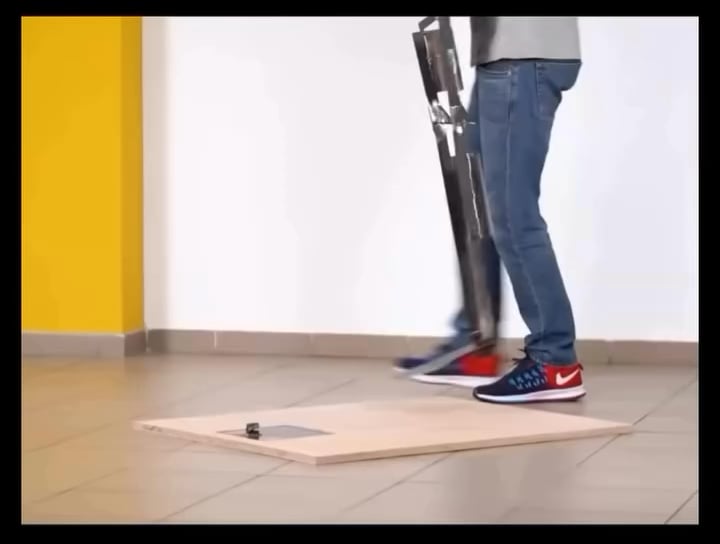
- A lightweight but sturdy metal frame (often aluminum or steel) is worn under the performer’s clothing.
- The frame extends down the magician’s leg and connects to a hidden support on the ground (e.g., a shoe or platform).
- Loose clothing or drapes cover the brace, making it invisible from most angles.
-
Mirror and Angle Tricks
- In stage performances, mirrors positioned at 45-degree angles create the illusion of an empty space beneath the performer.
- Audience sightlines are carefully controlled to hide reflections.
-
Wires and Counterweights
- For high-stage levitation, thin wires and harnesses suspend the magician.
- Dark backgrounds and dim lighting make wires hard to spot.
-
Body Positioning and Misdirection
- The performer uses bold gestures or props (like a cane) to distract from subtle weight shifts or supports.
- Psychology plays a key role—viewers focus on what the magician wants them to see.
Breaking Down David Blaine’s Street Version
David Blaine popularized the “sit-down levitation” in his street magic specials. Here’s how his iconic trick typically works:
-
The Hidden Support System
- A custom-made metal rod runs from Blaine’s hip or waist down one leg.
- The rod is anchored to his shoe, which has a reinforced sole or attaches to a disguised ground plate.
-
Strategic Clothing Choices
- His baggy pants or long coat conceal the rigid frame holding his weight.
- One leg often stays straight to stabilize the structure while the other bends naturally.
-
The Power of Restriction
- Audience members encircle Blaine, limiting viewing angles.
- Cameras focus tightly on his upper body, avoiding full-body shots that might expose the trick.
-
Speed and Misdirection
- Blaine quickly transitions into the “sitting” pose, hiding the moment he engages the support.
- He maintains eye contact, preventing onlookers from studying his legs.
Evolution of the Trick: From Stage to Screen
The “sitting in the air” illusion isn’t new—variations date back to 19th-century stage magic. Modern magicians have refined it using technology:
- LEDs and Projection Mapping: Projected images can mask supports in dark environments.
- Lightweight Materials: Carbon fiber replaces bulky metal frames, improving comfort and concealment.
- Augmented Reality (AR): Digital effects enhance live performances by erasing wires in real time.
Could You Do It? The Challenges of Pulling Off the Trick
While the concept seems simple, mastering the illusion requires precision:
- Practice: Performers train for hours to hold poses naturally while supporting their weight.
- Tailored Gear: Outfits must fit perfectly to hide frames and avoid slipping.
- Environmental Control: Wind, uneven surfaces, or close-up audiences increase the risk of exposure.
Debunking Myths About Levitation Magic
- Myth: Magnets or anti-gravity devices are involved.
Reality: Most levitation tricks use mechanical supports—not sci-fi tech. - Myth: This works without physical contact.
Reality: Even “floating” street magicians connect to an anchor point (e.g., their shoe or the ground).
Final Takeaway: The “sitting in the air” trick reminds us that magic isn’t supernatural—it’s a celebration of human creativity. By blending principles of engineering, psychology, and performance, magicians turn the mundane into the extraordinary, leaving audiences wondering, “How did they do that?”
Next time you witness this trick, look for the angles, the drape of clothing, and the performer’s posture. The secret often hides in plain sight.
Keywords for SEO: sitting in the air trick, levitation illusion explained, how levitation magic works, David Blaine sitting trick, magic illusions secrets, levitation chair trick, street magic secrets, how do magicians levitate.