How the Matrix’s famous Agent Smith clone fight scene was done
Title: Unmasking the Magic: How The Matrix’s Iconic Agent Smith Clone Fight Scene Was Created
Meta Description: Discover the groundbreaking technology, martial arts choreography, and VFX wizardry behind The Matrix’s legendary Agent Smith clone fight scene. Dive into the secrets of cinema history!
Introduction
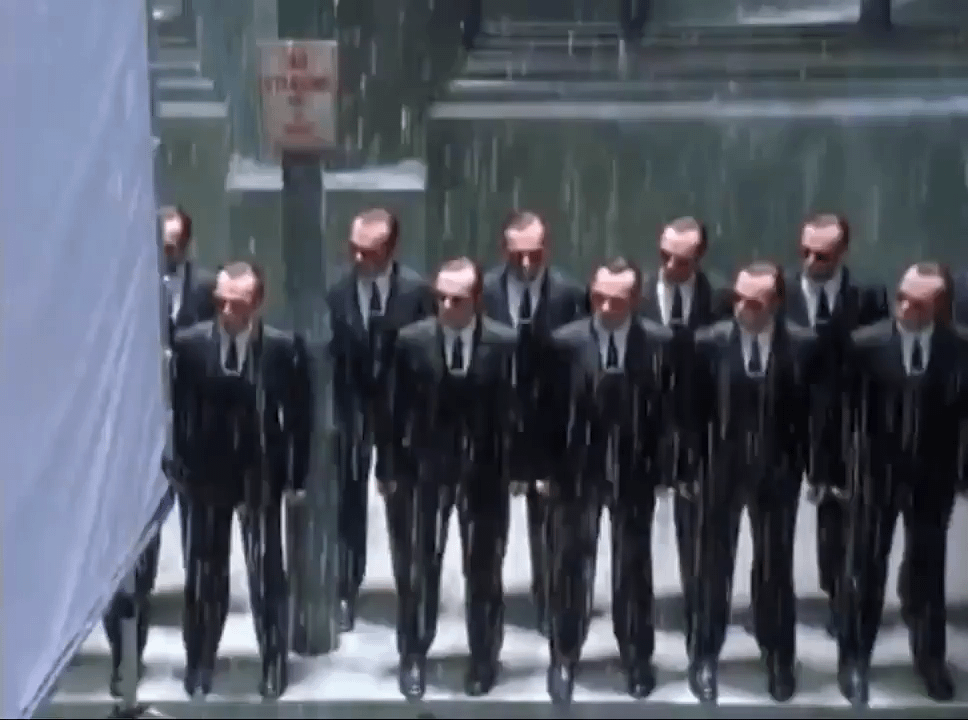
Few scenes in film history are as instantly recognizable or technologically revolutionary as the Agent Smith clone fight from The Matrix Reloaded (2003). In this jaw-dropping sequence, Neo (Keanu Reeves) battles over 100 identical clones of the relentless Agent Smith (Hugo Weaving) in a rain-soaked courtyard. But how did filmmakers achieve such a visually stunning feat of visual effects (VFX), martial arts choreography, and digital innovation? In this deep dive, we’ll break down the techniques, challenges, and legacy of this cinematic milestone.
The Vision: Pre-Production Planning
Directors the Wachowskis and VFX supervisor John Gaeta aimed to push boundaries with The Matrix Reloaded. The clone fight wasn’t just about action—it was a technical experiment in blending practical effects with cutting-edge CGI. Key goals included:
- Creating seamless interaction between Neo and dozens of Smiths.
- Maintaining Hugo Weaving’s likeness across every digital clone.
- Ensuring the fight felt visceral and grounded, despite its surreal premise.
Choreographing Chaos: Yuen Woo-Ping’s Martial Arts Mastery
Legendary fight choreographer Yuen Woo-Ping (known for Crouching Tiger, Hidden Dragon and Kill Bill) designed the sequence to balance spectacle with clarity:
- Multi-Agent Strategy: Each clone had pre-programmed attack patterns, requiring Reeves to train against synchronized stunt teams mimicking swarm tactics.
- “Agent Smith Suits”: Over 50 stunt performers wore matching suits, wigs, and prosthetic latex masks resembling Weaving to film live-action group shots.
- Hero vs. CGI: Close-ups featured Reeves fighting real actors, while wide shots used digital doubles for scale.
The Clone Effect: VFX Breakthroughs
Creating hundreds of believable Agent Smiths required pioneering techniques from VFX studio ESC Entertainment (founded by Matrix VFX veterans):
1. “Virtual Cinematography” & The Burly Brawl
- Photogrammetry: Hugo Weaving’s face and body were 3D-scanned to create a digital double.
- Motion Capture: Weaving performed key fight movements, which were mapped onto CGI Smiths.
- “Flow-Mo” Enhancement: A variation of the original Matrix “bullet time” rig tracked Neo’s ultra-slow-motion moves amid the chaos.
2. Rendering the Swarm
- Massive Software: Pioneering crowd-simulation tools placed and animated hundreds of digital Smiths, each with unique behaviors (e.g., attacking, dodging).
- Layer Compositing: Live-action footage of Reeves and stuntmen was combined with CGI layers, with rain and shadows added digitally to unify the scene.
3. Hugo Weaving’s Digital Orchestra
Weaving filmed his motions against a green screen, with his performances replicated across clones. For dialogue shots, his face was digitally superimposed onto stunt actors.
The Rain Factor: Environmental Realism
The courtyard’s downpour wasn’t just for atmosphere—it helped mask seams between real and digital elements:
- Rain droplets were added in post-production to ensure consistency.
- Wet surfaces reflected light uniformly, smoothing transitions between live-action and CGI.
Challenges & Innovations
- Processing Power: The sequence required rendering farms running 24/7 for months. A single frame with 100 Smiths took hours to render.
- Physics: Animators manually tweaked collisions and movements to prevent clones from clipping through each other or Neo.
- Actor Fatigue: Keanu Reeves trained for months to perform complex wire-work and combat routines repeatedly.
Legacy: Changing Blockbuster VFX Forever
The Agent Smith clone fight proved that large-scale digital crowds and photo-realistic clones could anchor action scenes. Its influence is seen in:
- CGI Armies: The Lord of the Rings’ Battle of Helm’s Deep and Avatar’s Na’vi warriors.
- Digital Doubles: Modern franchises like Avengers: Endgame use similar tech for epic battles.
- Virtual Production: Techniques refined here paved the way for real-time CGI in The Mandalorian.
Conclusion
The Matrix’s Agent Smith clone fight remains a landmark in VFX history—a daring fusion of martial arts, physics-defying camerawork, and computational genius. By blending practical stunts with digital innovation, the Wachowskis and their team crafted a scene that not only stunned audiences but redefined what filmmakers could imagine. Two decades later, it stands as a testament to creativity, perseverance, and the endless possibilities of movie magic.
SEO Keywords:
Agent Smith clone fight, Matrix Reloaded VFX, how Matrix clone scene was made, Hugo Weaving digital double, bullet time, Yuen Woo-Ping fight choreography, John Gaeta visual effects, Massive software, virtual cinematography, The Matrix behind the scenes