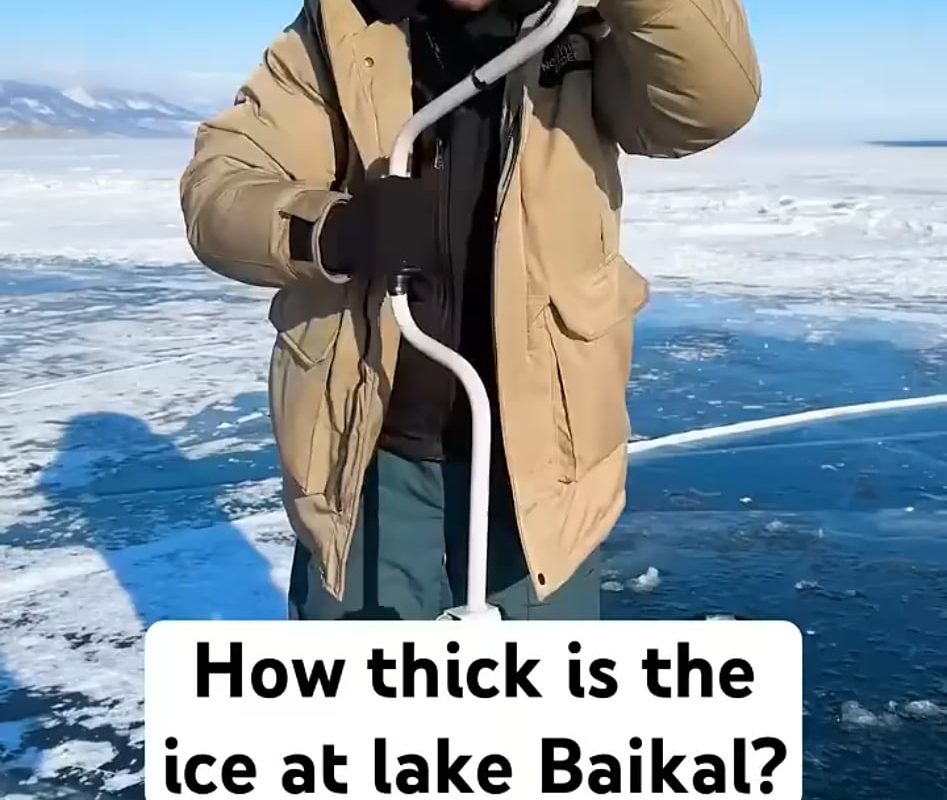
How thick is the ice at Lake Baikal
Title: How Thick is Lake Baikal’s Ice? A Deep Dive into the World’s Oldest Frozen Lake
Introduction
Lake Baikal, a UNESCO World Heritage Site in Siberia, is renowned as the deepest (1,642 meters) and oldest (25 million years) freshwater lake on Earth. Each winter, its vast surface transforms into a breathtaking expanse of ice, attracting adventurers, scientists, and photographers. But how thick is the ice at Lake Baikal, and what makes it so unique? In this article, we explore the science, safety, and spectacle of Baikal’s frozen marvel.
Average Ice Thickness at Lake Baikal
Lake Baikal’s ice thickness varies by location, weather, and time of winter, but it typically ranges from 50 to 90 cm (20–35 inches) in most areas by mid-winter. In sheltered bays and northern regions, the ice can grow as thick as 1.5–2 meters (5–6.5 feet) due to prolonged freezing temperatures that dip below -30°C (-22°F).
The ice reaches its maximum thickness in late February to early March, just before spring thawing begins in April. This thickness makes it sturdy enough to support vehicles, leading to seasonal “ice roads” used by locals and tourists.
What Influences Baikal’s Ice Formation?
-
Extreme Siberian Winters:
Siberia’s harsh climate ensures rapid freezing. By early January, the entire lake’s surface freezes—a process starting in late December. -
Low Snowfall:
Unlike many frozen lakes, Lake Baikal’s ice is often crystal-clear. Minimal snowfall allows the ice to freeze uniformly without insulating layers, enabling sunlight to penetrate and create stunning turquoise fissures. -
Underwater Currents & Thermal Vents:
Thermal vents and dynamic water movement cause uneven freezing. Thinner ice (<30 cm) can appear near cracks or methane gas vents, requiring caution. -
Wind & Pressure Ridges:
Wind creates dramatic ice hummocks (pressure ridges), where ice slabs collide, forming jagged peaks up to 12 meters (40 feet) high. These areas are thicker but unstable for travel.
Seasonal Ice Growth Timeline
- December: Ice begins forming in shallow bays (10–15 cm thick).
- January–February: Rapid thickening (up to 10 cm per day in cold spells).
- March: Peak thickness (up to 2 meters in northern areas).
- April–May: Gradual melting begins, creating treacherous “rotten ice.”
Safety on Baikal’s Ice: Key Tips
While the ice is famously strong, venturing onto it demands caution:
- Never travel alone: Stick to guided tours or marked ice roads.
- Avoid cracks and bubbles: These signal weak spots.
- Check local reports: Authorities like the Baikal Ice Administration publish daily thickness updates.
- Minimum Safe Thickness:
- 10 cm: Safe for walking.
- 30 cm: Safe for cars.
- 70 cm: Safe for heavy vehicles.
Why is Lake Baikal’s Ice So Clear?
The lake’s ultra-pure water freezes slowly, trapping fewer air bubbles and sediments. This creates a glass-like surface, earning it nicknames like the “Blue Eye of Siberia.” Scientists even study the ice to understand climate change, as its transparency affects algae growth and ecosystem health.
Unique Ice Phenomena to Witness
- Ice Caves: Waves and wind carve surreal caves along the shoreline.
- Frozen Methane Bubbles: Trapped gas creates mesmerizing underwater patterns.
- The Baikal Ice Marathon: A 42-km race held annually on the frozen lake!
FAQs About Lake Baikal’s Ice
Q: When is the best time to visit Lake Baikal for ice activities?
A: February to early March offers the thickest ice and clearest views.
Q: Can you drive on Lake Baikal’s ice?
A: Yes, but only on designated routes with verified thickness.
Q: Is the ice thickness consistent across the lake?
A: No—northern areas are thicker, while southern regions thaw earlier.
Q: How do scientists measure Baikal’s ice thickness?
A: Through drilling, satellite data, and sonar.
Conclusion
Lake Baikal’s ice is a wonder of nature—thick enough to host ice festivals and endure Siberian winters, yet transparent enough to reveal its aquatic secrets. Whether you’re planning a visit or simply marveling at its beauty, understanding its icy dynamics adds depth to the fascination. Always prioritize safety, respect local guidelines, and embrace the magic of Earth’s deepest frozen gem.
Keywords: How thick is the ice at Lake Baikal, Lake Baikal ice thickness, Baikal ice safety, frozen Lake Baikal, Siberia ice tourism, Baikal Ice Marathon, ice formation Lake Baikal.
Meta Description: Discover how thick Lake Baikal’s ice gets in winter (up to 2 meters!), what makes it transparent, and safety tips for exploring Siberia’s frozen marvel.