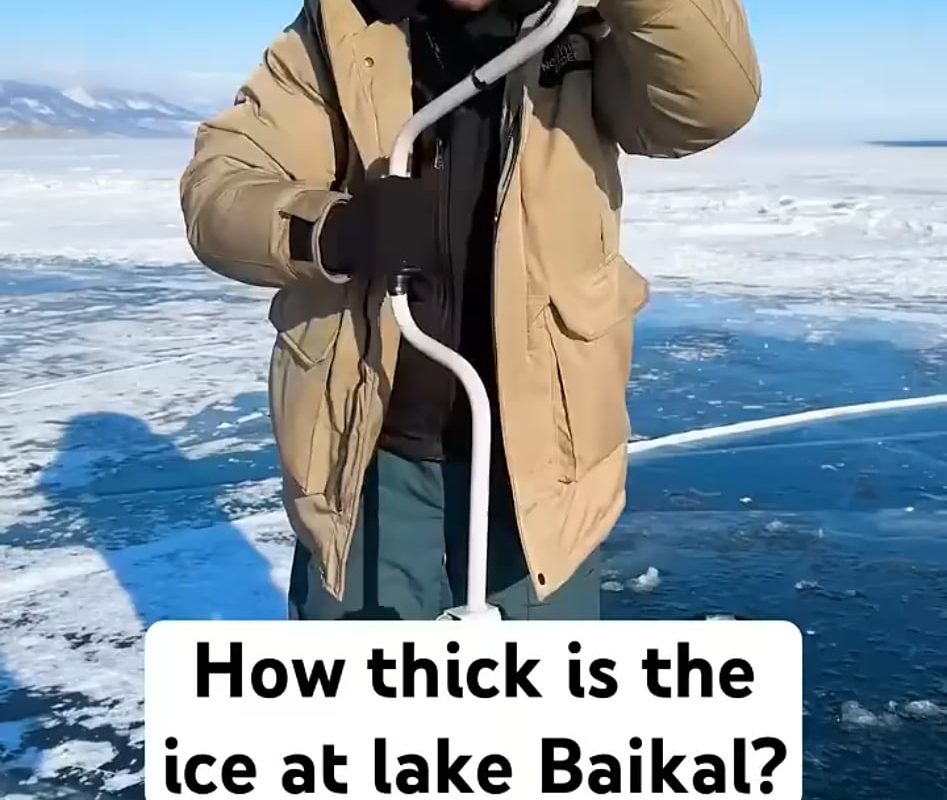
How thick is the ice at lake Baikal..
Title: How Thick Is Lake Baikal’s Ice? A Guide to the Siberian Wonder’s Frozen Splendor
Introduction:
Lake Baikal, a UNESCO World Heritage Site in southern Siberia, is celebrated as the world’s deepest and oldest freshwater lake. Each winter, its surface transforms into a breathtaking landscape of crystal-clear ice, drawing adventurers, scientists, and photographers alike. One of the most common questions about this natural marvel is: How thick does Lake Baikal’s ice get? This article explores the science, seasonal changes, and fascinating quirks of Baikal’s ice, along with tips for visiting safely.
Why Does Ice Thickness Matter at Lake Baikal?
Ice thickness dictates safety for winter activities like walking, ice skating, and even driving on temporary ice roads. It also impacts local ecosystems and the lake’s unique biodiversity. Understanding its fluctuations helps scientists monitor climate change and ensures visitors experience Baikal’s frozen beauty responsibly.
Typical Ice Thickness at Lake Baikal
Under ideal winter conditions, Lake Baikal’s ice averages 50–140 cm (20–55 inches) thick, though it can exceed 2 meters (6.5 feet) in some areas. Factors like wind, currents, and underwater thermal vents create variations. The clearest ice forms in March, offering visibility up to 30 meters (100 feet) deep—like a window into Baikal’s abyss.
Key Factors Influencing Thickness:
- Temperature: Siberia’s brutal winters (reaching -40°C/-40°F) accelerate freezing.
- Snow Cover: Light snowfall leaves ice clear and thick; heavy snow insulates the water, slowing freezing.
- Currents & Geothermal Activity: Cracks or “ice hummocks” form where warm springs prevent even freezing.
Seasonal Ice Formation & Melt Cycles
- November–December: Partial freezing begins, but ice remains thin and unstable.
- January–February: Ice thickens rapidly, averaging 50–90 cm (20–35 inches).
- March–April: Peak thickness (1–2 meters/3–6.5 feet). The infamous “Ice Road” between Irkutsk and Olkhon Island opens if ice exceeds 60 cm (24 inches) to support vehicles.
- May–June: Ice melts from south to north, retreating fully by early June.
Safety Tips for Walking or Driving on Baikal’s Ice
While the ice is incredibly strong—capable of supporting trucks—its thickness isn’t uniform. Follow these guidelines:
- Avoid Discolored Ice: White or gray patches indicate weakness or trapped air bubbles.
- Steer Clear of Cracks: Pressure ridges (“stanukhi”) can destabilize the surface.
- Hire Local Guides: Experts know safe routes (e.g., popular paths near Olkhon Island).
- Check Official Updates: Authorities measure ice thickness weekly; never venture out alone.
The Magic of Baikal’s Ice: Beyond Thickness
Lake Baikal’s ice is famous for its surreal features:
- Transparency: Created by slow freezing and minimal impurities, allowing sunlight to penetrate like glass.
- Ice Bubbles: Trapped methane from algae forms mesmerizing frozen bubbles beneath the surface.
- Ice Waves & Caves: Wind sculpts ice into turquoise waves and glittering caverns along the shoreline.
Climate Change & Baikal’s Ice: A Growing Concern
Recent studies reveal alarming trends. Since 1869, Baikal’s ice season has shortened by 15 days. Thinner ice threatens endemic species like the Baikal seal (nerpa) and disrupts winter tourism. Researchers continue monitoring these changes, underscoring the lake’s fragility.
Visiting Lake Baikal in Winter: What to Know
- Best Time for Thick Ice: Late February to early April.
- Activities: Ice tours, dog sledding, photography, and ice diving.
- Pro Tip: Visit Listvyanka or Olkhon Island for guided excursions and surreal sunset views over the ice.
Conclusion
Lake Baikal’s ice is a marvel of nature—robust enough to support vehicles yet fragile in the face of climate change. By respecting its seasonal rhythms and prioritizing safety, travelers can witness one of Earth’s most extraordinary winter spectacles. Whether you’re captivated by its supernatural clarity or the thrill of standing atop the world’s deepest lake, Baikal’s icy expanse promises an unforgettable adventure.
Meta Description: Discover how thick Lake Baikal’s ice gets in winter (up to 2 meters!), why it’s so clear, and safety tips for exploring Siberia’s frozen wonder. Dive into the science and beauty of the “Pearl of Russia.”