How to repair pipes without digging them up
Title: How to Repair Pipes Without Digging Them Up: A Guide to Trenchless Pipe Repair
Meta Description: Discover cost-effective, non-invasive ways to repair broken or damaged pipes without excavation. Learn about trenchless pipe repair methods like CIPP lining, pipe bursting, and more!
Introduction
Pipe leaks, cracks, or blockages can be a homeowner’s nightmare, especially when facing the idea of trenches tearing up lawns, driveways, or flooring. Fortunately, modern technology offers trenchless pipe repair—methods that fix pipes without excavation. These solutions save time, money, and your landscaping. In this guide, we’ll explore how to repair pipes without digging them up using innovative, minimally invasive techniques.
Why Choose Trenchless Pipe Repair?
Trenchless methods have revolutionized plumbing repairs by offering:
✔️ Minimal disruption – No digging means preserving your property.
✔️ Speed – Most repairs take a day or less.
✔️ Cost-efficiency – Lower labor and restoration expenses.
✔️ Durability – Repaired pipes often last 50+ years.
✔️ Versatility – Works for sewer lines, water mains, and more.
4 Trenchless Methods to Fix Pipes Without Digging
1. Cured-in-Place Pipe (CIPP) Lining
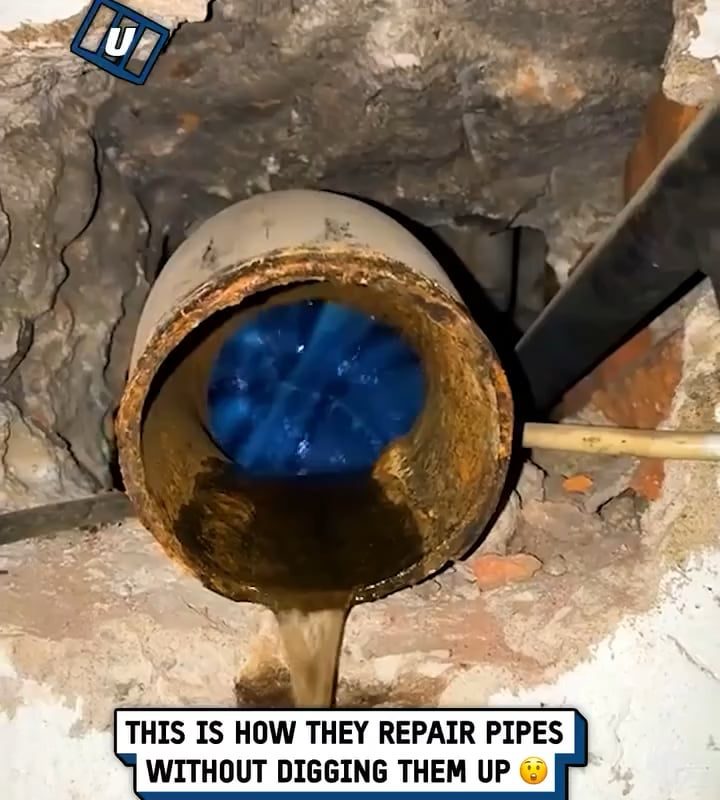
How it works: A flexible epoxy-coated liner is inserted into the damaged pipe and inflated. It cures (hardens) in place, creating a seamless “pipe within a pipe.”
Best for: Fixing cracks, leaks, or corrosion in pipes 2–12 inches in diameter.
Pros:
- No need to remove old pipes.
- Resistant to root intrusion and chemicals.
- Suitable for bends and joints.
2. Pipe Bursting
How it works: A cone-shaped bursting head fractures the old pipe while simultaneously pulling a new HDPE (high-density polyethylene) pipe into place.
Best for: Replacing severely damaged or collapsed pipes.
Pros:
- Installs stronger, corrosion-resistant pipes.
- Works with minimal access points (small entry/exit pits).
3. Epoxy Pipe Coating (Spray Lining)
How it works: An epoxy resin is sprayed onto the interior walls of the pipe, sealing cracks and preventing future corrosion.
Best for: Minor cracks or preventive maintenance.
Pros:
- Affordable and quick.
- Eco-friendly (no pipe materials discarded).
4. Slip Lining
How it works: A smaller pipe is inserted into the damaged one, reducing the inner diameter slightly but restoring functionality.
Best for: Straight pipes with limited damage.
Pros:
- Simple and low-cost.
- Extends the life of aging pipes.
The Trenchless Repair Process: Step-by-Step
- Inspection – A camera is fed into the pipe to locate damage.
- Cleaning – Hydro-jetting clears blockages and debris.
- Repair – The chosen trenchless method (CIPP, bursting, etc.) is applied.
- Validation – A post-repair camera inspection confirms success.
When Is Trenchless Repair Not Suitable?
While trenchless methods excel in most scenarios, traditional digging may be needed if:
➔ Pipes are completely collapsed or misaligned.
➔ Severe root intrusion or hard blockages (e.g., concrete) exist.
➔ Local regulations restrict certain techniques.
Cost Comparison: Trenchless vs. Traditional Repair
| Method | Average Cost | Timeframe |
|---|---|---|
| Trenchless (CIPP/Bursting) | $80–$250 per ft | 1–2 days |
| Traditional Excavation | $50–$150 per ft | 3–7 days |
Note: Trenchless repairs often save thousands in landscape/flooring restoration.
Choosing a Trenchless Repair Professional
- ✅ Look for licensed plumbers with trenchless certifications.
- ✅ Ask for before/after camera footage of previous jobs.
- ✅ Compare warranties (many offer 10–50 years).
DIY Fixes vs. Professional Trenchless Repairs
Minor clogs can sometimes be cleared with DIY tools (e.g., drain snakes), but trenchless repairs require specialized equipment and expertise. Avoid temporary patches—invest in a long-term fix!
FAQs About No-Dig Pipe Repairs
Q: How long does trenchless pipe lining last?
A: Most liners/cured pipes last 50+ years due to corrosion resistance.
Q: Can trenchless methods fix pipes under a house or concrete?
A: Yes! Access pits are small (usually 4×4 ft), making it ideal for slab foundations.
Q: Does insurance cover trenchless repair?
A: Often yes, especially if deemed “necessary” to avoid property damage.
Conclusion
Trenchless pipe repair is a game-changer for addressing leaks, cracks, or aging pipelines without the chaos of excavation. From CIPP lining to pipe bursting, these methods offer faster, cleaner, and longer-lasting solutions. If you’re facing pipe problems, consult a trenchless specialist to explore your no-dig options—and save your yard, driveway, or floors from destruction!
Ready to fix your pipes trench-free? Contact a local certified provider today for an inspection and quote!
Optimized Keywords:
trenchless pipe repair, repair pipes without digging, no-dig pipe repair, CIPP lining, pipe bursting, epoxy pipe coating, slip lining, sewer line repair without excavation, cost of trenchless repair, how to fix underground pipes