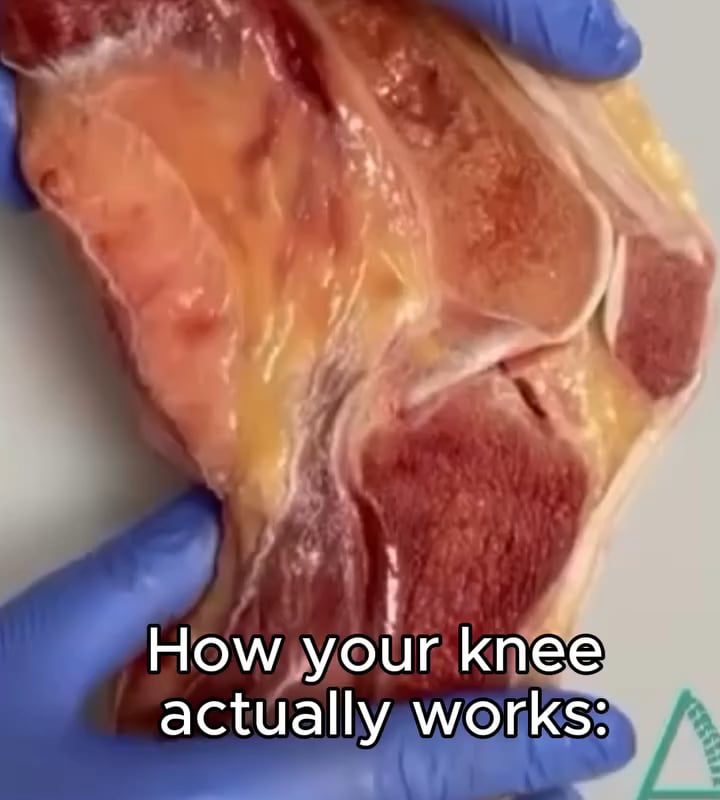
How your knee works
Meta Title: Understanding How Your Knee Works: Anatomy, Function & Care Tips
Meta Description: Discover how your knee works—its anatomy, biomechanics, and role in movement. Learn how to protect this vital joint and prevent injuries with expert insights.
How Your Knee Works: Anatomy, Function, and Tips for a Healthy Joint
The knee is one of the most complex and hardworking joints in your body, enabling everything from walking and jumping to pivoting and kneeling. Yet, most of us don’t think about how it works—until something goes wrong. In this guide, we’ll demystify the inner workings of your knee, exploring its anatomy, biomechanics, and how to keep it strong.
Anatomy of the Knee: A Masterpiece of Engineering
Your knee isn’t just a simple hinge—it’s a sophisticated system of bones, cartilage, ligaments, tendons, and muscles working in harmony. Here’s a breakdown of its key components:
1. Bones: The Foundation
- Femur (Thighbone): The rounded end forms the top of the knee joint.
- Tibia (Shinbone): The flat upper end supports weight and connects to the femur.
- Patella (Kneecap): Protects the front of the joint and improves muscle leverage.
- Fibula: Runs parallel to the tibia but doesn’t bear significant weight.
2. Cartilage: The Knee’s Shock Absorbers
- Meniscus: Two C-shaped discs (medial and lateral) cushion impacts and distribute weight.
- Articular Cartilage: Slick tissue covering bone ends, minimizing friction during movement.
3. Ligaments: Stability Managers
- ACL (Anterior Cruciate Ligament): Prevents forward sliding of the tibia.
- PCL (Posterior Cruciate Ligament): Stops backward sliding of the tibia.
- MCL & LCL (Medial/Lateral Collateral Ligaments): Stabilize side-to-side motion.
4. Tendons & Muscles: Powering Movement
- Quadriceps & Hamstrings: Key muscles that straighten (extend) and bend (flex) the knee.
- Patellar Tendon: Connects the kneecap to the tibia, crucial for jumping and running.
5. Synovial Fluid & Bursae: Lubrication System
- A fluid-filled capsule lubricates the joint, while small sacs (bursae) reduce friction between tissues.
How Your Knee Moves: Biomechanics in Action
The knee primarily bends (flexion) and straightens (extension), but it also allows slight rotation. Here’s how it handles everyday motions:
- Walking: As you step, the knee flexes to lift your foot, then extends to support your weight.
- Climbing Stairs: Quadriceps contract to straighten the knee, while the meniscus absorbs impact.
- Pivoting: Ligaments like the ACL tighten to stabilize sudden directional changes.
Like a well-oiled machine, all parts work together—until injury or wear disrupts the balance.
Common Knee Problems & How Anatomy Plays a Role
Understanding your knee’s structure explains why certain injuries occur:
- ACL Tears: Common in sports requiring abrupt stops or turns.
- Meniscus Tears: Often caused by twisting while bearing weight.
- Osteoarthritis: Breakdown of articular cartilage, leading to pain and stiffness.
- Patellar Tendinitis: Overuse inflames the tendon connecting the kneecap to the shin.
5 Tips to Keep Your Knees Healthy
- Strengthen Supporting Muscles: Target quads, hamstrings, and glutes with squats and lunges.
- Maintain a Healthy Weight: Less pressure = lower wear-and-tear risk.
- Warm Up Before Activity: Prep muscles and ligaments to prevent strains.
- Wear Supportive Footwear: Cushion impacts and improve alignment.
- Avoid Overuse: Mix high-impact activities (running) with low-impact ones (swimming).
When to Seek Help: Don’t Ignore Knee Pain
Persistent swelling, instability, or difficulty bearing weight could signal a problem. Early intervention (physical therapy, braces, or surgery) can prevent long-term damage.
Conclusion: Your Knee’s Health Starts With Knowledge
Your knee’s intricate design is key to mobility, but it’s not invincible. By learning how your knee works—and treating it kindly—you’ll support a lifetime of pain-free movement.
Final Takeaway: Stay active, stay informed, and listen to your body. Your knees will thank you!
SEO Keywords: how your knee works, knee anatomy, knee function, knee ligaments, meniscus, ACL, healthy knees, knee pain prevention, knee biomechanics.
(Word Count: 600)