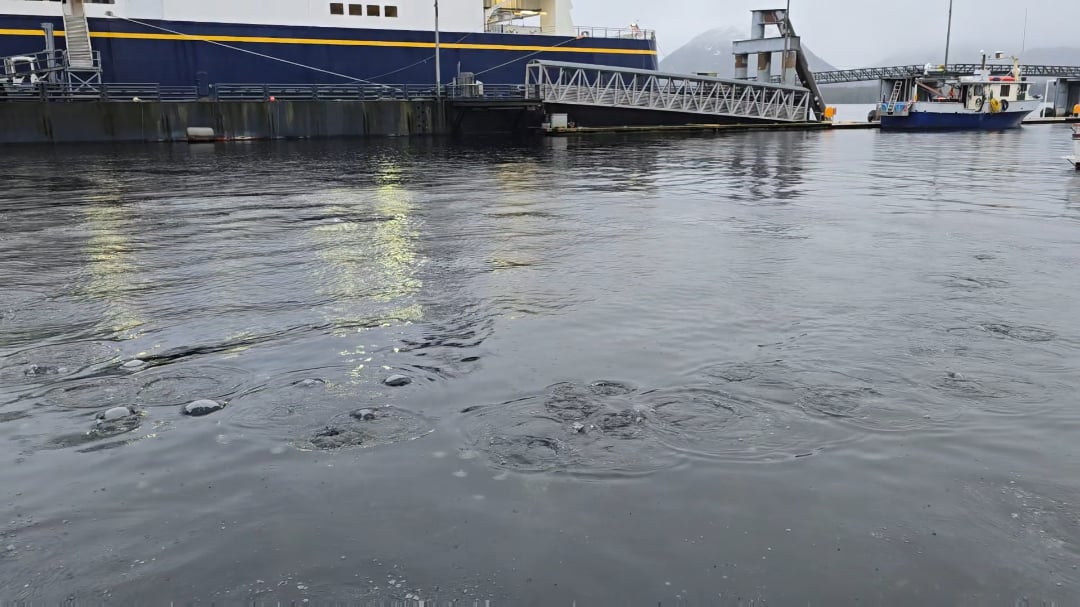
Humpback whale feeding in the Ketchikan harbor
Title: Witness the Spectacle: Humpback Whale Feeding in Ketchikan Harbor
Meta Description: Discover why Ketchikan Harbor is a top destination for witnessing humpback whales feeding in Alaska’s wild waters. Learn when to visit, what to expect, and how to experience this awe-inspiring phenomenon responsibly.
Humpback Whale Feeding in Ketchikan Harbor: Alaska’s Marine Wonder
Nestled in Alaska’s Inside Passage, Ketchikan Harbor is famed for its rugged beauty, rich Indigenous culture, and thriving marine life. But one of its most breathtaking natural events is the seasonal feeding frenzies of humpback whales. These colossal mammals—known for their acrobatic breaches and haunting songs—gather near Ketchikan’s shores to feast in the nutrient-rich waters, offering visitors a front-row seat to one of nature’s grandest spectacles.
Why Ketchikan Harbor?
Ketchikan’s strategic location makes it a hotspot for humpback whales from May through September. The harbor sits at the edge of the Tongass National Forest, North America’s largest temperate rainforest. Its icy fjords and deep channels funnel krill, herring, and small fish like salmon—key prey for humpbacks migrating from winter breeding grounds in Hawaii and Mexico.
The unique underwater topography near Ketchikan creates upwellings, where cold currents push nutrients upward, concentrating prey into dense “bait balls.” This attracts humpbacks—and other marine giants like orcas and sea lions—turning the harbor into a dynamic feeding ground.
The Magic of Humpback Whale Feeding Behaviors
Humpbacks are masterful hunters, employing ingenious techniques to trap their prey:
-
Bubble-Net Feeding (A Crowd Favorite):
In coordinated groups, whales dive deep and blow bubbles in spirals to corral fish upward. They then lunge through the center, mouths agape, swallowing thousands of pounds of prey in one swoop. Witnessing this cooperative strategy is unforgettable! -
Lunge Feeding:
Solo whales will often surge vertically from the water, mouths wide open, engulfing entire schools of fish near the surface. The explosive splash and sight of a 40-ton whale breaching will leave you in awe. -
Tail Slapping & Pectoral Fin Swipes:
These behaviors may stun fish, making them easier to catch—and create dramatic photo ops for onlookers.
Best Times to See Humpbacks Feeding in Ketchikan
While humpbacks frequent Southeast Alaska from April to November, peak feeding activity occurs in July and August when salmon runs peak. Early mornings and evenings are optimal, as calmer waters improve visibility. Local tour operators report near-daily sightings during these months.
Pro Tip: Combine your visit with Ketchikan’s salmon season (June–September) to see whales alongside bears, eagles, and seals competing for the same bounty!
How to Experience Humpback Whale Feeding Responsibly
Admiring these gentle giants requires patience and respect for their habitat. Here’s how to enjoy the show ethically:
-
Choose Eco-Certified Tours:
Opt for operators like Allen Marine Tours or Experience Alaska Tours, which follow NOAA Whale Watching Guidelines (maintaining 100+ yards distance). Many use hydrophones to listen to whale songs without disruption. -
Kayak or Boat Tour?
Smaller vessels and kayaks allow quieter, closer encounters. Larger boats offer stability and expert narration. -
Stay on Shore:
Spot whales from Signal Hill or the U.S. Coast Guard Pier for free. Bring binoculars! -
Never Feed or Chase Whales:
Disturbing feeding behaviors harms whales’ survival. Use a zoom lens instead of trying to get closer.
The Bigger Picture: Conservation in Ketchikan
Ketchikan’s humpbacks are part of the North Pacific population, which rebounded from near extinction after 1966’s whaling ban. Still, threats like ship strikes, entanglement in fishing gear, and climate change-induced prey shifts persist.
Local groups like the Alaska Whale Foundation partner with tour companies to fund research and advocate for marine protections. Visitors can support them by donating or joining citizen science initiatives.
Plan Your Ketchikan Whale Watching Adventure
- Book Early: Summer tours sell out fast.
- Dress for Alaska: Layer up! Waterproof jackets and gloves are essential.
- Photography Gear: Use a DSLR with a telephoto lens or smartphone zoom.
Bonus: Pair your whale-watching trip with Ketchikan’s cultural gems, like the Totem Heritage Center or a walk through Creek Street.
FAQs About Humpback Whale Feeding in Ketchikan
Q: Can I see whales from the cruise ship dock?
A: Yes! Cruise passengers often spot whales from docks or nearby viewpoints.
Q: Are calves present during feeding season?
A: Mothers and calves arrive later (August–September) after migrating from warmer nurseries.
Q: What else might I see?
A: Orcas, porpoises, seals, and bald eagles often join the feast.
Final Thoughts
Humpback whale feeding in Ketchikan Harbor is more than a tourist attraction—it’s a reminder of nature’s resilience and the delicate balance of Alaska’s ecosystems. By visiting mindfully, you become part of a community dedicated to preserving these ocean giants for generations to come.
Ready to witness the magic? Book your Ketchikan whale-watching tour today and prepare for an experience that will redefine your connection to the wild.
Target Keywords: Humpback whale feeding Ketchikan, Ketchikan whale watching, Bubble-net feeding Alaska, Best time to see whales in Alaska, Ketchikan Harbor humpback whales.
Optimized for SEO with location-specific terms, behavioral keywords, and FAQ schema potential.