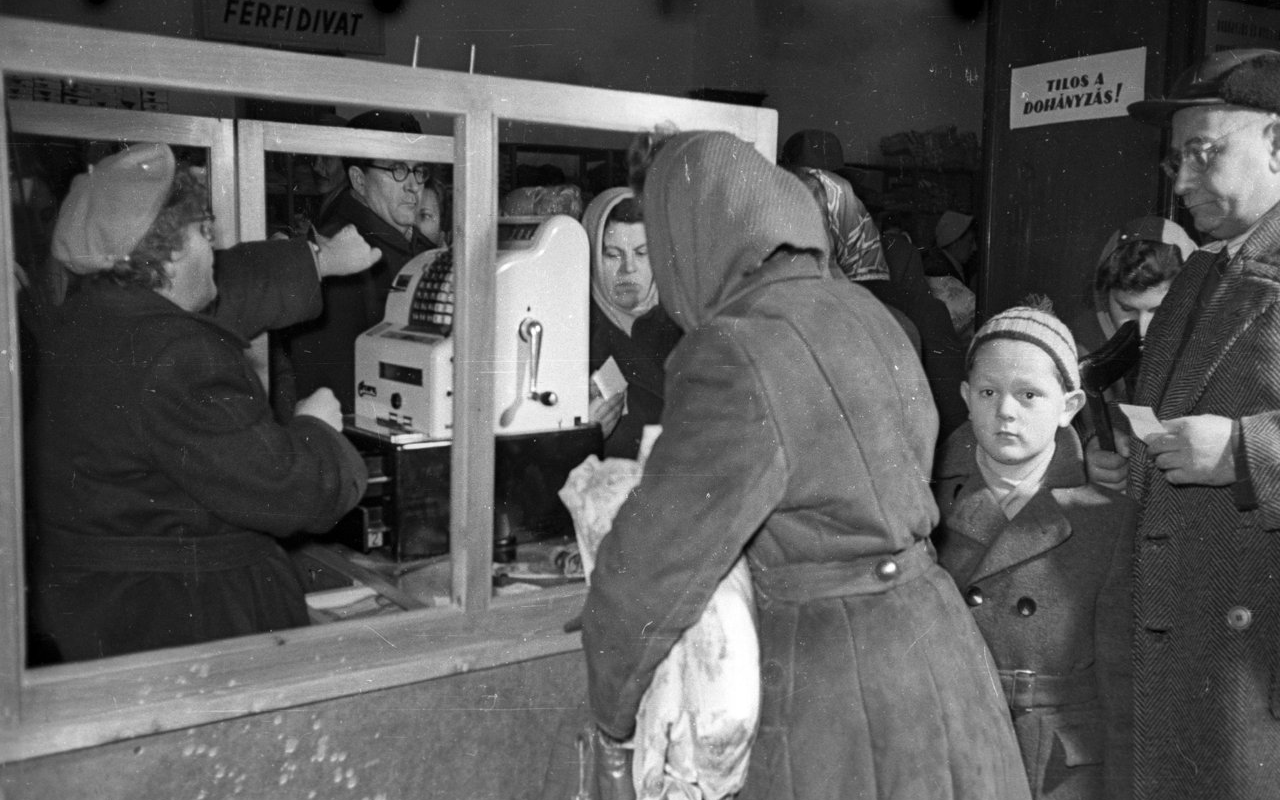
Hungary holds the world record for the highest monthly inflation ever recorded: 41.9 quadrillion percent (4.19 × 10^16%) in July 1946. Prices doubled every 15 hours, a daily inflation rate of 207%
Title: Hungary’s Unthinkable Hyperinflation: The 1946 Crisis That Broke All Records
Meta Description: Discover how Hungary endured the world’s worst monthly inflation rate – a mind-blowing 41.9 quadrillion percent in July 1946 – with prices doubling every 15 hours. Uncover the causes, chaos, and legacy of this economic catastrophe.
URL Slug: hungary-worst-hyperinflation-in-history
Hungary’s 1946 Hyperinflation: The World Record That Still Stands
When discussing extreme economic collapses, Zimbabwe and Venezuela often dominate modern headlines. Yet neither compares to the sheer scale of Hungary’s hyperinflation in July 1946, when the nation set a world record that still stands today: a monthly inflation rate of 41.9 quadrillion percent (4.19 × 10¹⁶%). To put this unfathomable number into perspective, prices doubled every 15 hours, translating to a daily inflation rate of 207%. This is the story of how a war-torn nation spiraled into the most extreme monetary chaos in recorded history.
The Perfect Storm: Causes of the Crisis
Hungary’s hyperinflation was the culmination of catastrophic economic policies and post-WWII devastation:
- War Reparations: After losing WWII as a German ally, Hungary faced crippling reparations to the Soviet Union, Czechoslovakia, and Yugoslavia, draining resources.
- Collapsed Production: Infrastructure lay in ruins, industrial output plummeted, and agricultural land was destroyed.
- Currency Mismanagement: The government printed money relentlessly to fund spending, turning the pengő (Hungary’s currency) into worthless paper.
- Political Instability: With no credible fiscal plan and a puppet government under Soviet influence, confidence evaporated.
By mid-1946, the Hungarian National Bank issued banknotes in denominations as high as 100 million trillion pengő (1 × 10²⁰). Citizens carried sacks of cash to buy basic goods like bread, which cost 600 million pengő per loaf by June 1946.
Life Under Hyperinflation: A Daily Struggle for Survival
- Wages Became Obsolete: Workers rushed to spend their earnings within hours of being paid, knowing their value would vaporize by nightfall.
- Barter Economy Thrived: People traded valuables like jewelry, cigarettes, or food instead of using cash.
- Currency Redenomination: The government introduced the milió pengő (1 million pengő) and later the bilpengő (1 trillion pengő), but these measures only delayed the inevitable.
One infamous anecdote recounts Hungarians burning stacks of banknotes for heat—the paper was worth more as fuel than as currency.
The Turning Point: Stabilization and the Forint
In August 1946, Hungary introduced the forint (HUF), pegging it to stable foreign currencies and gold reserves. Key reforms included:
- Austerity Measures: Strict limits on money printing and government spending.
- Tax Overhaul: Improved revenue collection to fund recovery.
- Debt Relief: Agreements with creditor nations eased reparation burdens.
The forint’s successful rollout restored confidence almost overnight and remains Hungary’s currency today.
Legacy and Lessons from the 1946 Catastrophe
Hungary’s hyperinflation holds enduring economic lessons:
- Inflation Spirals Fast: Once trust in money erodes, panic accelerates collapse.
- Printing Money ≠ Wealth: Governments cannot “print” their way out of debt without dire consequences.
- Stability Demands Sacrifice: The forint’s success required painful reforms like spending cuts and transparency.
This crisis also serves as a benchmark for modern economists studying hyperinflation. For comparison, Zimbabwe’s 2008 peak (79.6 billion percent monthly) and Venezuela’s 2018 crisis (2.6 million percent annually) pale next to Hungary’s 1946 record.
Conclusion: A Warning from History
Hungary’s 1946 hyperinflation remains a stark reminder of how quickly economic stability can unravel—and how disciplined policies are vital to rebuild it. While modern central banks use advanced tools to curb inflation, the human cost of Hungary’s crisis—lost livelihoods, hunger, and societal trauma—underscores why safeguarding monetary integrity matters.
As inflation concerns resurface globally in the 2020s, the 41.9 quadrillion percent specter of 1946 stands as history’s ultimate cautionary tale.
Keywords for SEO: Hyperinflation record, Hungary 1946 inflation, highest inflation rate in history, pengő to forint, prices doubling every 15 hours, economic collapse, post-war inflation, inflation crisis examples, historical hyperinflation.
Image Alt Text Suggestion: “Hungarian hyperinflation banknotes from 1946, with denominations in millions of pengő.”
Internal Linking Opportunities:
- Link to articles on Zimbabwe/Venezuela hyperinflation.
- Link to content about modern inflation-fighting tools (e.g., central bank interest rates).