I didn’t know rocks could be crunchy
Title: I Didn’t Know Rocks Could Be Crunchy! Exploring Earth’s Surprising Textures
Meta Description: Discover why some rocks feel unexpectedly crunchy underfoot or in your hand. Dive into geology’s quirky side and learn about the surprising textures of sedimentary, volcanic, and even “edible” rocks!
Introduction: When Rocks Defy Expectations
You’re hiking through a dry riverbed, and your boot crunches over a patch of gravel. Wait—did that rock just sound like cereal? If you’ve ever thought, “I didn’t know rocks could be crunchy!”, you’re not alone. While rocks are often seen as steadfast symbols of durability, certain types surprise us with textures that crackle, crumble, or even dissolve! In this article, we’ll break down the science behind crunchy rocks and uncover where to find them.
What Makes a Rock “Crunchy”?
Rocks aren’t uniformly hard or smooth. Their texture depends on how they formed:
- Sedimentary rocks (like sandstone or limestone) are cemented from sand, shells, or mineral fragments, creating a gritty, crumbly feel.
- Volcanic rocks (like pumice or scoria) form from bubbly lava, leaving air pockets that collapse under pressure.
- Weathering and erosion can further weaken rocks, turning them brittle over time.
The “crunch” comes from these rocks fracturing along their loosely bonded grains or porous structures.
5 Types of Crunchy Rocks (You Might Step On!)
1. Sandstone: The Ultimate “Nature’s Sandcastle”
- Texture: Gritty, granular, and easily crumbled.
- Why it’s crunchy: Sandstone is literally glued-together sand particles. Step on a weathered piece, and it audibly grinds underfoot!
- Where to find it: Desert regions, cliffs, and riverbeds.
2. Limestone: The Fizzy Rock
- Texture: Chalky or crystalline.
- Why it’s crunchy: Limestone contains calcite, which reacts to acid (even vinegar!). When eroded, it crumbles into a powdery mess. Ever walked on gravel paths? That crunch might be limestone!
3. Pumice: The Lightweight Crusher
- Texture: Foamy and full of holes.
- Why it’s crunchy: Volcanic gases create bubbles in cooling lava, making pumice fragile enough to crush in your hand—like nature’s Styrofoam.
4. Halite: The Edible Rock
- Texture: Crystalline and salt-shaker brittle.
- Why it’s crunchy: Halite is rock salt! Bite it (yes, it’s safe in moderation), and you’ll get a literal crunch.
5. Decomposed Granite: Gravel’s Crunchy Cousin
- Texture: Sandy, loose granules.
- Why it’s crunchy: Weathered granite breaks into tiny pieces, perfect for crunchy pathways in gardens.
Wait… Can You Eat Crunchy Rocks?
While halite (salt) is edible, most crunchy rocks aren’t food! Chewing rocks risks:
- Damaging teeth (they’re harder than enamel on the Mohs scale!).
- Ingesting harmful minerals like silica or heavy metals.
For culinary crunch, stick to mineral-rich foods like Himalayan pink salt or sesame seeds!
Why Humans Love Crunchy Textures
Our brains associate crunchiness with freshness (think apples or chips). This might explain why stepping on gravel or crumbling sandstone feels oddly satisfying—it triggers sensory feedback. Geologists even use sound to identify rock types while mapping terrain!
Fun DIY Test: How Crunchy Is Your Rock?
- Find a candidate: Grab a small sedimentary rock (not too hard!).
- Safety first: Wear gloves and eye protection.
- Apply pressure: Gently tap it with a hammer. Does it crumble into granules? That’s the crunch factor in action!
Note: Don’t test rocks near wildlife or protected areas.
FAQs About Crunchy Rocks
Q: Are crunchy rocks weaker?
A: Often yes! Crunchiness usually signals weaker bonds between mineral grains, making them faster to erode.
Q: Do animals eat crunchy rocks?
A: Birds swallow grit to grind food in their gizzards, and some primates consume clay for minerals—but don’t try this at home!
Q: Is crunchy rock the same as gravel?
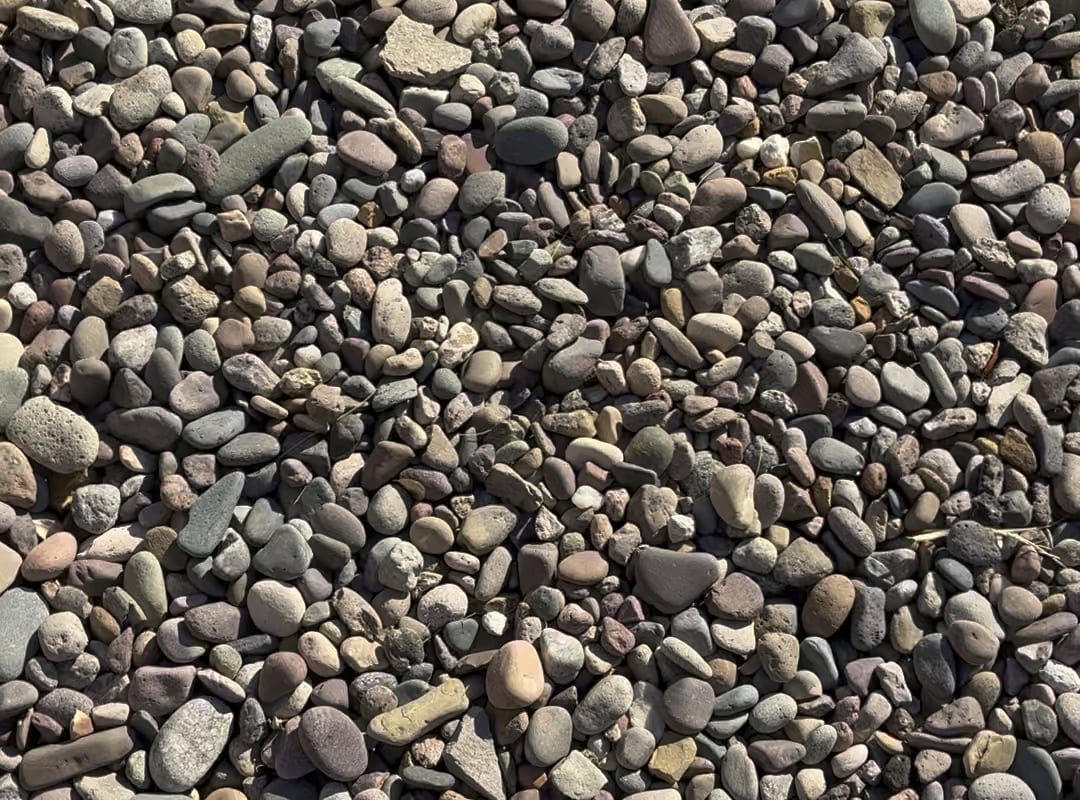
A: Gravel is a mixture of small, loose rocks—often crunchy due to its fragmented nature.
Conclusion: Embrace Earth’s Quirky Side
Next time you hear a satisfying crunch beneath your feet, remember you’re walking on millions of years of geological history—one brittle layer at a time. From salty halite to volcanic pumice, crunchy rocks remind us that Earth’s surface is dynamic, diverse, and delightfully unexpected!
Call to Action:
Found a crunchy rock? Share a photo with #CrunchyRocks and tag your local geology group! For more earth science wonders, explore our [Rock Identification Guide] or [How Sedimentary Rocks Form] articles.
Target Keywords: Crunchy rocks, sedimentary rocks, geology textures, sandstone, pumice, halite, decomposed granite.
Internal Linking Tips:
- Link to articles about rock types, weathering, or hands-on geology experiments.
By blending humor with science, this piece transforms an everyday observation into a gateway to deeper geological curiosity—perfect for SEO and shareability!