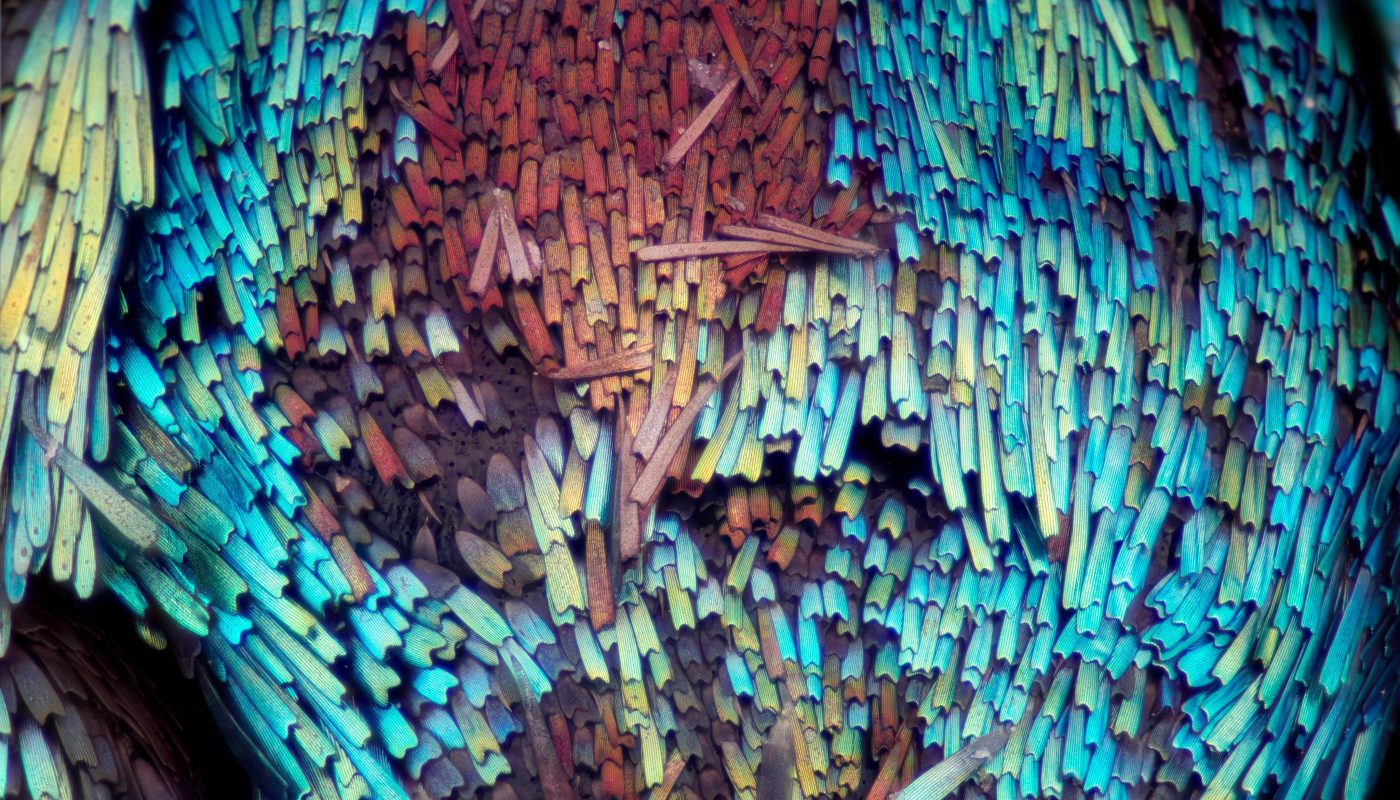
I do extreme macro photography. These are some scales on a moth’s back
Title: Unveiling Nature’s Hidden Jewels: Extreme Macro Photography of Moth Scales
Introduction
In the world of photography, few genres reveal nature’s hidden artistry as vividly as extreme macro photography. As an extreme macro photographer, I explore the microscopic landscapes hidden in plain sight—like the intricate, iridescent scales on a moth’s back. What appears to the naked eye as a simple dusting of color transforms, under high magnification, into a universe of geometric patterns, shimmering textures, and surreal beauty. In this article, I’ll share the magic of capturing moth scales through extreme macro photography, along with insights into techniques, equipment, and the artistic wonder of these tiny masterpieces.
What is Extreme Macro Photography?
Extreme macro photography pushes beyond traditional macro (1:1 magnification) to reveal details invisible to the human eye. Think of it as microphotography for hobbyists—using specialized lenses and techniques to magnify subjects up to 10x or more. Moth scales, which measure just 0.1–0.5 millimeters, are perfect candidates for this exploration. Each scale acts like a pixel in the moth’s “digital camouflage,” creating color patterns that help it blend into bark, lichen, or flowers—but up close, they resemble alien architecture.
The Hidden World of Moth Scales
Under extreme magnification, moth scales resemble shingles on a roof, feathers, or even stained glass. Here’s what makes them extraordinary:
- Structural Color: Unlike pigments, many scales rely on microscopic ridges and layers that refract light, creating metallic blues, greens, and golds (a phenomenon called iridescence).
- Function: Scales insulate moths, aid in flight, and repel water—but their visual role in camouflage and mate attraction is most mesmerizing.
- Diversity: No two species have identical scales. Some look like fern fronds; others mimic snake skin or glitter like crushed gemstones.
Gear for Extreme Macro Photography
Capturing these details demands precision. My essential toolkit includes:
- Macro Lens: A dedicated macro lens (e.g., Canon MP-E 65mm or Laowa 25mm Ultra Macro) capable of 5x magnification.
- Focus Stacking: To overcome razor-thin depth of field, I take dozens of images at slightly different focal points and blend them in software (Helicon Focus, Zerene Stacker).
- Lighting: Diffused ring lights or LED panels eliminate shadows and highlight textures without overheating delicate specimens.
- Stability: A sturdy tripod and macro rail ensure micro-adjustments without vibration.
- Subject Preparation: Moths are photographed ethically (often found deceased in the wild). I use a soft brush to clean debris from scales without damage.
Challenges & How to Overcome Them
- Depth of Field: At 10x magnification, depth of field shrinks to microns. Focus stacking is non-negotiable.
- Lighting Control: Harsh light washes out iridescence. I use DIY diffusers made from tissue paper or plastic containers.
- Vibration & Wind: Shooting outdoors? A windscreen (even a cardboard box) shields the subject from breeze.
- Patience: Aligning a moth’s curved body under the lens can take hours. Embrace the Zen of macro!
Why Photograph Moth Scales?
Beyond their aesthetic appeal, these images:
- Highlight Biodiversity: They remind us that even “common” insects are astonishingly complex.
- Inspire Science: Researchers study scale structure to develop bio-inspired materials (e.g., anti-reflective coatings).
- Fuel Conservation: Revealing their beauty fosters appreciation for often-overlooked pollinators.
Tips for Beginners
- Start Small: Practice with larger subjects (e.g., butterfly wings) before tackling tiny scales.
- Master Manual Focus: Autofocus rarely works in extreme macro. Use live view and focus peaking.
- Shoot RAW: This preserves detail for stacking and color correction.
- Experiment with Angles: Side-lighting emphasizes texture; backlighting unveils translucency.
- Join Communities: Platforms like Reddit’s r/macroporn or Flickr macro groups offer feedback and inspiration.
Conclusion: Seeing the Unseen
Extreme macro photography of moth scales is a journey into a secret universe—one where biology meets art, and the mundane becomes miraculous. Each shoot offers a humbling reminder that nature’s grandest designs are often its smallest. Whether or not these images go viral, they serve a deeper purpose: reawakening our sense of wonder for the tiny worlds thriving just beyond our vision.
Ready to Explore?
Grab your camera, find a moth (gently!), and dive into the fractal frontiers of extreme macro. The scales you capture might just change how you see everything.
Keywords: Extreme macro photography, moth scales, insect macro photography, microscopic photography, focus stacking, macro photography tips, iridescent scales, nature photography, macro lens, biodiversity photography.
Meta Description: Discover the surreal beauty of moth scales through extreme macro photography. Learn techniques, gear, and secrets to capture nature’s microscopic masterpieces—plus tips for beginners!