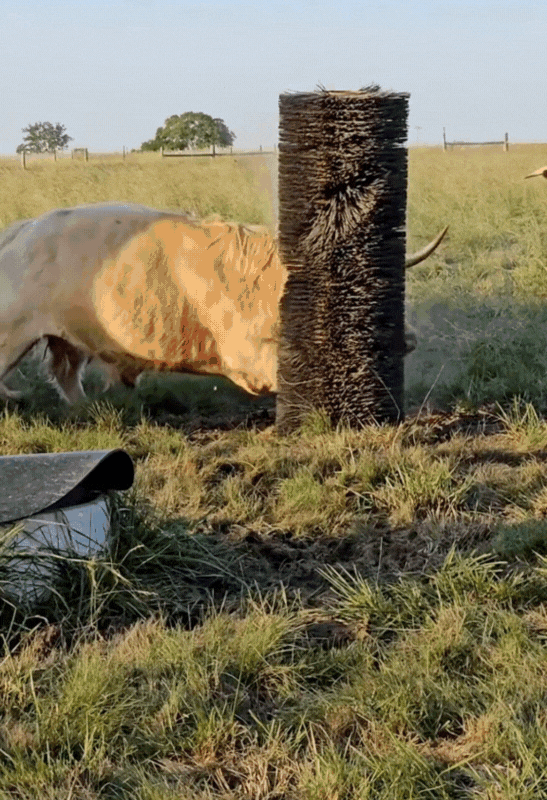
I think he likes the new brush
Title: “How to Tell If Your Pet Loves Their New Brush (And Why It Matters)”
Meta Description: Discover the signs your dog or cat loves their new brush, how to choose the perfect grooming tool, and the benefits of a happy grooming routine. Find out more!
Introduction
“I think he likes the new brush!” If you’ve ever had this thought while grooming your pet, you’re not alone. Pets often communicate their preferences through subtle (or not-so-subtle) body language, and recognizing those signs can transform grooming from a chore into a bonding experience. But how can you be sure your furry friend approves of their new brush, and why does it matter? In this article, we’ll break down the clues, share tips for choosing the right brush, and explain how positive grooming sessions benefit both you and your pet.
Signs Your Pet Loves Their New Brush
Pets won’t say “thank you,” but their behavior speaks volumes. Look for these telltale signs that they’re enjoying their grooming session:
-
Relaxed Body Language:
- A loose, wiggly posture, slow blinks (in cats), or a gently wagging tail (in dogs) signals comfort.
- If they lean into the brush or nudge your hand for more, that’s a win!
-
Purring or Contented Sounds:
- Cats often purr when brushed in their favorite spots. Dogs might sigh or groan happily.
-
No Resistance:
- If they stay put instead of squirming or running away, the brush (and your technique) is likely a hit.
-
Seeking Out the Brush:
- Does your pet approach the brush when you pick it up? That’s a glowing review!
-
Post-Grooming Zoomies:
- Some pets erupt into playful energy after brushing—a sign they feel refreshed and happy.
How to Choose a Brush Your Pet Will Love
Not all brushes are created equal! Picking the right tool depends on your pet’s coat type and personality:
-
For Short-Haired Pets:
Rubber curry brushes or bristle brushes gently remove loose fur and massage the skin. -
For Long-Haired Pets:
Slicker brushes or grooming rakes help detangle mats and prevent painful knots. -
For Double-Coated Breeds (e.g., Huskies, Golden Retrievers):
Undercoat rakes or deshedding tools are essential for seasonal coat blowouts. -
For Sensitive Skin:
Opt for ultra-soft bristles or silicone-tipped brushes. Test a small area first! -
Extra Tip: Let your pet sniff the brush before using it to build positive associations.
The Benefits of a Positive Grooming Experience
When your pet likes their brush, grooming becomes more than just fur management. Here’s why it matters:
-
Healthier Skin and Coat:
- Regular brushing distributes natural oils, reduces shedding, and improves circulation.
-
Early Detection of Issues:
- Bonding over grooming helps you spot lumps, fleas, rashes, or parasites early.
-
Strengthened Bond:
- Gentle grooming builds trust and reinforces your relationship.
-
Less Stress for Everyone:
- No more wrestling matches! A calm pet means a calm owner.
Tips for Making Brushing a Positive Ritual
- Start Slow: Begin with short sessions and reward with treats or praise.
- Focus on Sweet Spots: Most pets love being brushed along the back, cheeks, and base of the tail—avoid sensitive areas like paws or belly unless they’re comfortable.
- Pair with Playtime: Follow up brushing with a favorite toy or walk to create positive reinforcement.
FAQs: Pet Brushing Questions Answered
Q: Why does my cat drool when I brush him?
A: Some cats drool when extremely relaxed—it’s a compliment!
Q: My dog growls when I brush his legs. What should I do?
A: Go slowly, use treats, and consult a vet or groomer to rule out pain or anxiety.
Q: How often should I brush my pet?
A: Short-haired pets: 1–2 times/week. Long-haired pets: Daily to prevent mats.
Final Thoughts
“I think he likes the new brush” is more than just a passing observation—it’s the key to happier, healthier grooming sessions. By choosing the right tool, reading your pet’s cues, and turning brushing into quality time, you’ll transform a routine task into a moment of connection. So grab that brush, watch for those tail wags and purrs, and enjoy the glow of a well-groomed, contented pet.
Target Keywords: pet loves new brush, choosing the right pet brush, signs your pet enjoys grooming, how to brush a dog, how to brush a cat, pet grooming tips
By prioritizing your pet’s comfort and preferences, you’re not just untangling fur—you’re nurturing a lifetime of trust and well-being. 🐾