Ice Formation
The Science of Ice Formation: From Freezing Water to Natural Wonders
H1: Understanding Ice Formation: A Comprehensive Guide
Introduction
Ice formation is a captivating natural phenomenon that impacts weather, ecosystems, and daily life. From delicate frost on a windowpane to massive glaciers shaping landscapes, the process of water turning into ice involves intricate physics and environmental interactions. This guide explores the science behind ice formation, its types, real-world examples, and why it matters.
H2: The Science of Freezing: How Does Ice Form?
Ice forms when liquid water cools to 0°C (32°F) under standard atmospheric pressure, transitioning from a disordered liquid state to an organized solid crystalline structure. This phase change, known as freezing or solidification, involves three key steps:
H3: Nucleation: The Birth of Ice Crystals
- Homogeneous Nucleation: Pure water molecules cluster into ice embryos without impurities. This is rare in nature due to the presence of particles.
- Heterogeneous Nucleation: Dust, minerals, or other surfaces act as “seeds” for ice crystals to form—the most common process in natural settings.
H3: Crystal Growth: Building the Hexagonal Lattice
Water molecules arrange into a hexagonal lattice, creating the characteristic six-sided symmetry of ice crystals. This structure expands as additional molecules bond, forming visible ice.
H3: Supercooling: When Water Defies Freezing
Under controlled conditions, pure water can remain liquid below 0°C (a phenomenon called supercooling) until nucleation occurs.
H2: Types of Ice and How They Form
Not all ice is the same—its appearance and properties depend on environmental factors:
H3: Clear Ice vs. Cloudy Ice
- Clear Ice: Forms slowly in impurity-free environments (e.g., deep lakes or commercial ice makers).
- Cloudy Ice: Rapid freezing traps dissolved gases and minerals, creating bubbles and imperfections.
H3: Black Ice
A thin, transparent layer of ice on roads or sidewalks, formed when moisture freezes on surfaces. It’s nearly invisible and dangerously slippery.
H3: Frost and Hoarfrost
- Frost: Ice crystals deposit directly from water vapor in sub-freezing air (deposition).
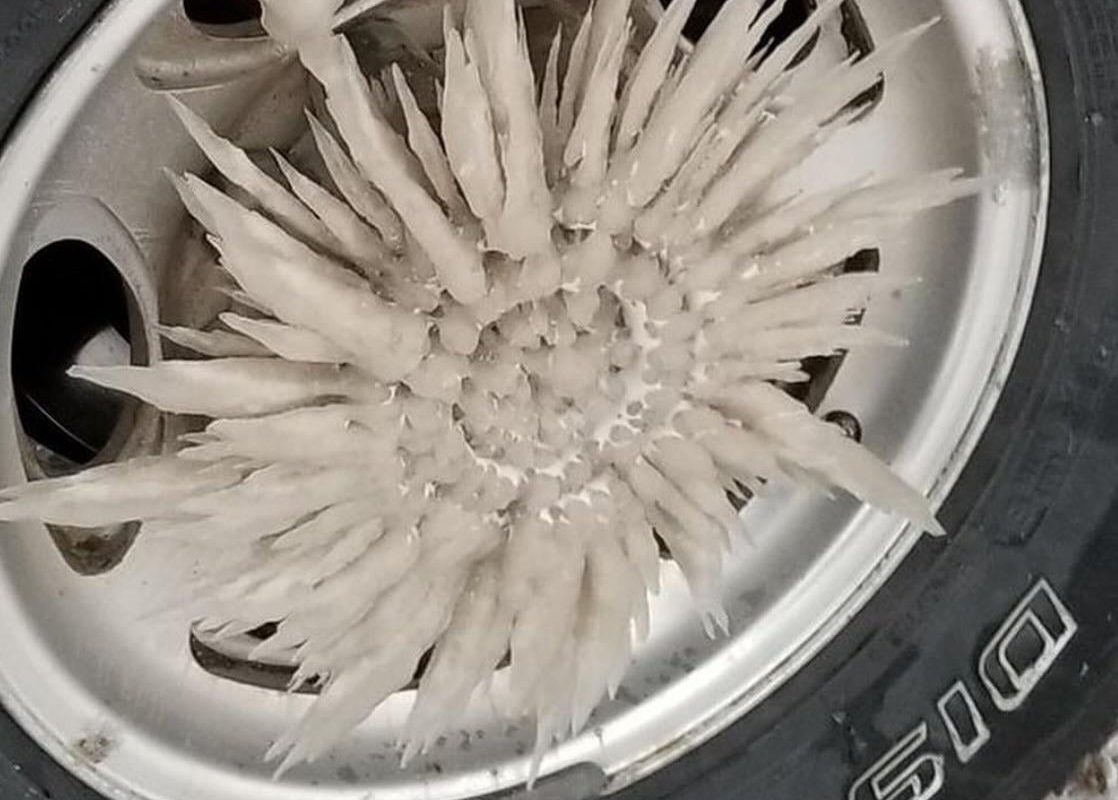
- Hoarfrost: Delicate, feathery ice structures forming on cold surfaces like branches or wires.
H3: Other Notable Ice Types
- Anchor Ice: Forms underwater on riverbeds or seafloors.
- Pancake Ice: Circular Arctic sea ice shaped by ocean waves.
H2: Factors Influencing Ice Formation
- Temperature: Must reach or stay below 0°C for freezing. Rapid cooling creates smaller crystals; slower cooling yields larger ones.
- Impurities: Salt or pollutants lower water’s freezing point (e.g., ocean water freezes at -2°C).
- Pressure: High pressure reduces freezing temperature (physicists use this principle to create “hot ice” above 0°C).
- Movement: Flowing water (rivers, waterfalls) freezes slower than still water.
H2: Ice in Nature: From Icicles to Glaciers
H3: Icicles
Form when melting snow refreezes as it drips, creating tapered spikes of ice.
H3: Sea Ice
Frozen seawater covers polar oceans, reflecting sunlight and regulating Earth’s climate.
H3: Glaciers and Ice Sheets
Accumulated snow compresses into dense ice over centuries, forming rivers of ice that sculpt valleys and influence sea levels.
H3: Frost Heave
Groundwater freezes, expanding soil and lifting rocks or pavement—causing infrastructure damage.
H2: Human Interaction with Ice Formation
- Refrigeration: Industrial freezers use nucleation agents (like silver iodide) to speed ice production.
- Sports: Zambonis smooth ice rinks by melting and refreezing the surface layer.
- Climate Change: Warming temperatures disrupt polar ice, accelerating sea-level rise.
H2: Safety and Practical Considerations
- Black Ice Risks: Drive cautiously on bridges and shaded roads in freezing weather.
- Home Prep: Insulate pipes and use antifreeze to prevent freezing damage.
- Ice Melt Products: Salt (sodium chloride) lowers water’s freezing point, melting ice on walkways.
FAQs About Ice Formation
Q: Can water freeze above 0°C?
A: No—standard freezing occurs at or below 0°C, but pressure or impurities can alter this threshold.
Q: Why does ice float?
A: Ice is less dense than liquid water due to its expanded hexagonal lattice.
Q: How does “freezing rain” form?
A: Raindrops supercool as they fall through sub-freezing air and freeze upon contact with surfaces.
Conclusion
Ice formation is more than just frozen water—it’s a dynamic interplay of physics, environment, and time. By understanding its mechanisms, we better appreciate natural wonders, mitigate hazards, and address challenges like climate change.
Meta Description: Explore the science of ice formation, from nucleation to crystal growth, types of ice, and its role in nature. Learn how temperature, pressure, and impurities shape this fascinating process.