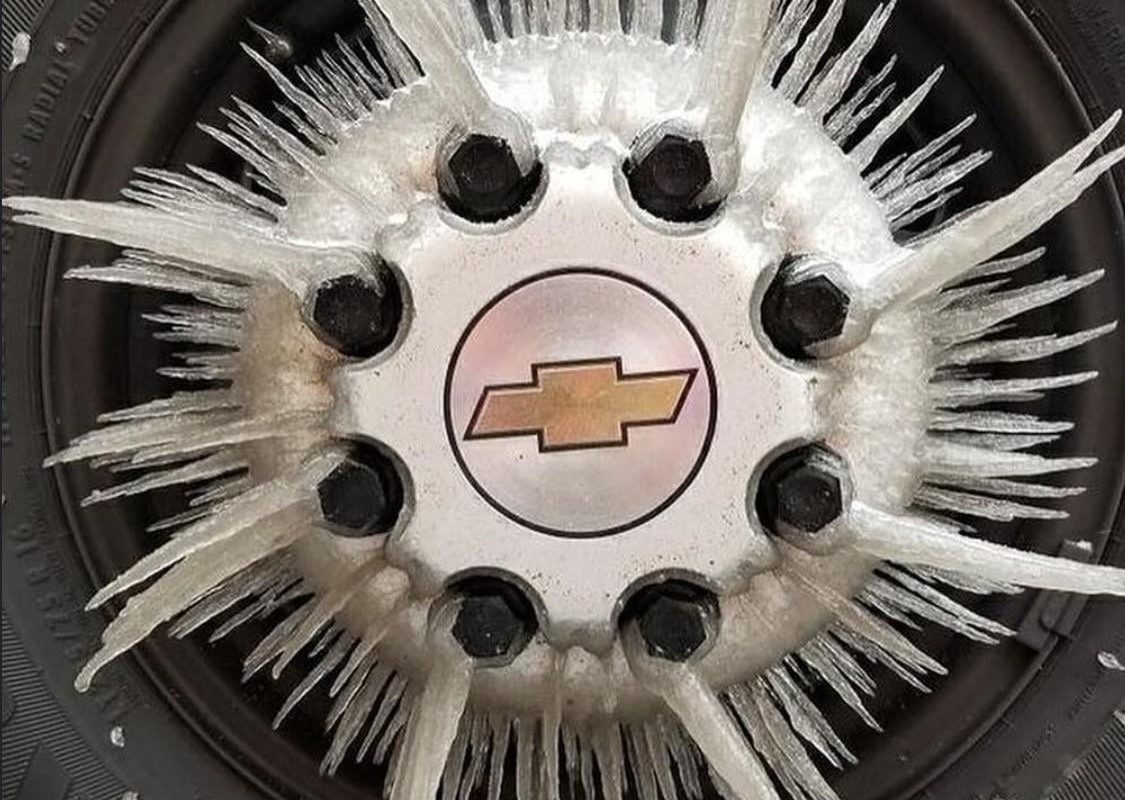
Ice Formation
The Science of Ice Formation: From Molecules to Glaciers
Ice formation is a fascinating natural process with far-reaching implications for Earth’s climate, ecosystems, and daily human life. From delicate frost patterns on windows to colossal glaciers shaping landscapes, understanding how ice forms reveals the intricate interplay of physics, chemistry, and environmental conditions. In this article, we explore the science behind ice formation, its different types, and its global significance.
1. How Does Ice Form? The Basics
At its core, ice forms when liquid water cools to its freezing point (0°C or 32°F at sea level) and transitions into a solid state. This phase change occurs due to the reorganization of water molecules:
- Hydrogen Bonding: Water molecules (H₂O) link via hydrogen bonds, arranging themselves into a hexagonal lattice structure. This open framework makes ice less dense than liquid water—a rarity in nature.
- Nucleation: Freezing begins with nucleation, where tiny impurities (like dust or minerals) or air bubbles act as “seeds” for ice crystals to form. Without these nucleation sites, water can “supercool” below 0°C without freezing.
2. Environmental Factors Influencing Ice Formation
Ice doesn’t always form at exactly 0°C. Several factors influence the process:
- Purity of Water: Pure water freezes at 0°C, but saltwater (e.g., oceans) freezes at lower temperatures due to dissolved salts.
- Pressure: Increased pressure lowers the freezing point, allowing glaciers to slowly flow like viscous fluids.
- Rate of Cooling: Rapid cooling in turbulent water (e.g., waterfalls) can create “frazil ice”—small ice crystals suspended in water.
3. Types of Natural Ice Formations
Ice manifests in diverse forms depending on environmental conditions:
A. Frost and Rime
- Frost: Forms when water vapor directly deposits as ice crystals on cold surfaces (deposition). Common on windows or grass during sub-zero nights.
- Rime Ice: Occurs when supercooled water droplets freeze instantly upon contact with surfaces, creating feathery or granular coatings.
B. Lake and River Ice
- Black Ice: Transparent ice formed on calm freshwater surfaces. Thin layers appear dark due to the water beneath.
- Anchor Ice: Ice that forms on riverbeds when cold water supercools and freezes around rocks or debris.
C. Sea Ice
- Pancake Ice: Circular slabs of ice formed in choppy seas, often with raised edges due to collisions.
- Icebergs: Massive chunks of glacial ice that calve into oceans. Only 10% is visible above water!
D. Glacial Ice
Formed by compressed snow over centuries, glacial ice contains trapped air bubbles and flows under its own weight, carving valleys and fjords.
4. Human-Made Ice: Beyond Nature
Artificial ice formation powers industries from food preservation to sports:
- Refrigeration: Rapid cooling of water in controlled environments creates clear ice cubes.
- Dry Ice: Solid carbon dioxide (–78.5°C), used for cooling without melting into liquid.
5. The Role of Ice in Earth’s Systems
- Climate Regulation: Polar ice reflects sunlight (albedo effect), moderating global temperatures. Melting ice accelerates climate change.
- Ecosystems: Ice caps and glaciers store 68% of Earth’s freshwater, feeding rivers and supporting life.
- Geological Impact: Glaciers shape mountains, deposit soils, and influence sea levels.
FAQs About Ice Formation
Q: Why does ice float?
A: Ice’s hexagonal structure creates empty spaces, making it less dense than liquid water. This buoyancy protects aquatic life in frozen lakes.
Q: Can hot water freeze faster than cold water?
A: Sometimes! The “Mpemba effect” describes how hot water freezes faster under certain conditions, though the exact cause is debated.
Q: How does salt melt ice?
A: Salt lowers water’s freezing point, disrupting the ice’s surface and causing it to melt at temperatures below 0°C.
Conclusion
Ice formation is more than just winter’s signature—it’s a dynamic process vital to Earth’s equilibrium. As global temperatures rise, understanding ice’s behavior becomes critical for predicting climate impacts and preserving fragile ecosystems. From microscopic crystals to continental ice sheets, this remarkable solid continues to shape our world in visible and invisible ways.
Keyword Focus: Ice Formation, How Ice Forms, Types of Ice, Freezing Process, Glaciers, Sea Ice, Hydrogen Bonding
Meta Description: Discover the science of ice formation—from molecular structure to glaciers—and learn how this process impacts climate, ecosystems, and daily life. Explore types, FAQs, and environmental roles.
By structuring the article with clear headings, bullet points, and engaging explanations, this SEO-friendly content caters to both general readers and science enthusiasts while optimizing for search visibility.