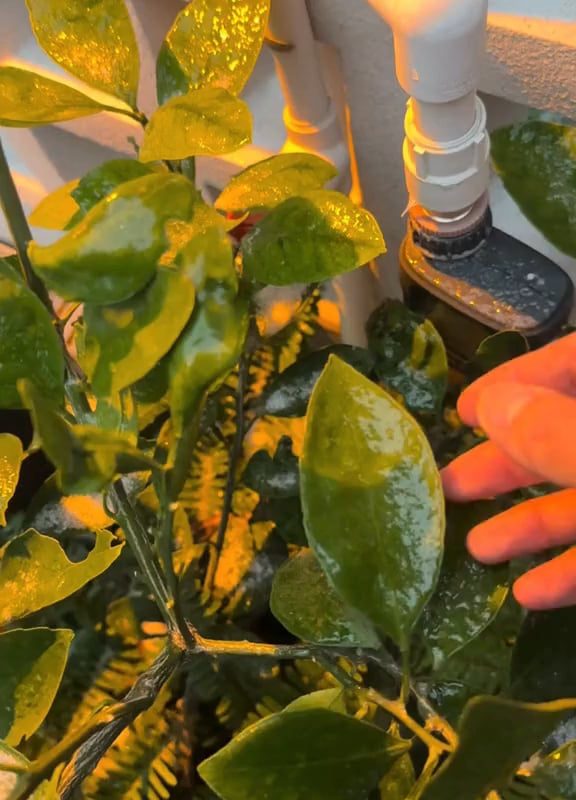
Ice formed on the surface of a leaf.
The Fascinating Phenomenon of Ice Formation on Leaf Surfaces: Science, Impact & Beauty
When delicate ice crystals coat the surface of leaves, nature unveils a mesmerizing blend of artistry and scientific wonder. But how does this frosty magic happen? Is it harmful to plants? In this detailed guide, we’ll explore the science behind ice on leaves, its effects on plant health, and tips to protect your garden, while celebrating its breathtaking beauty.
How Ice Forms on Leaves: The Science Explained
Ice formation on leaves—also called hoarfrost or radiation frost—occurs under specific conditions:
- Clear, Calm Nights: When the sky is clear, heat escapes rapidly from the ground and plants (radiation cooling).
- Sub-Freezing Temperatures: Air temperatures drop below 0°C (32°F), chilling leaf surfaces.
- Moisture Source: Atmospheric humidity, dew, or fog deposits water vapor onto leaves.
As the leaf’s temperature plummets below freezing, water vapor transforms directly into ice crystals through deposition (skipping the liquid phase). These intricate patterns vary based on humidity, wind, and leaf texture, often resembling feathers, needles, or scales.
Frost vs. Frozen Dew: What’s the Difference?
- Frost: Forms when water vapor freezes directly onto surfaces. Creates feathery, white ice crystals.
- Frozen Dew: Occurs when liquid dew (already settled on leaves) freezes after temperatures drop. Results in thicker, opaque ice coatings.
How Frost Damages Plants: Risks & Vulnerable Species
While frost-kissed leaves look enchanting, they threaten plant health in two key ways:
1. Cellular Damage
Ice crystals puncture plant cell membranes, causing sap to leak and tissues to collapse. Signs include wilted, blackened, or curled leaves—especially in tender plants like:
- Tomatoes
- Basil
- Citrus trees
- Tropical flowers (e.g., hibiscus)
2. Disrupted Metabolism
Freezing halts photosynthesis and nutrient transport, weakening plants long-term.
🛡️ Frost-Resistant Species
Some hardy plants tolerate frost, including:
- Kale
- Pansies
- Evergreen conifers
- Winter rye
5 Practical Tips to Protect Plants from Frost Damage
- Cover Plants Overnight: Use breathable frost cloths, burlap, or old bedsheets to trap heat.
- Apply Mulch: Insulate roots with straw, wood chips, or leaves.
- Water Strategically: Damp soil retains heat better—water plants a day before expected frost.
- Use Microclimates: Plant sensitive species near walls or under trees to reduce exposure.
- Invest in Frost Blankets: Commercial covers reflect heat and shield against wind chill.
The Silver Lining: Why Frost-Covered Leaves Are a Wonder
Beyond the risks, frost patterns on leaves captivate scientists and nature lovers alike:
- Natural Artistry: Each crystal’s unique geometry showcases physics in action.
- Ecosystem Role: Frost regulates moisture and influences insect habitats.
- Photographic Gold: Macro photographers revel in the intricate ice lacework.
FAQs About Ice on Leaves
Q: Can frost form above 0°C (32°F)?
A: Yes! “Frost point” depends on humidity. Frost can form at up to 2°C (36°F) in very damp air.
Q: Does spraying water prevent frost damage?
A: No—this myth can worsen ice buildup. Use covers instead.
Q: Is frost good for any plants?
A: Yes! Some trees (e.g., apple) need frost to trigger spring budding.
Key Takeaways
- Ice on leaves forms via vapor deposition in cold, humid conditions.
- Frost harms tender plants by rupturing cells but benefits hardy species.
- Protect gardens with covers, mulch, and strategic watering.
Next time you spot ice-glazed leaves, you’ll appreciate both their ethereal beauty and the delicate balance of nature’s winter ballet.
Meta Description: Discover why ice forms on leaves, how frost impacts plant health, and tips to protect your garden. Explore the science and beauty of frost-kissed foliage!
Optimized for SEO with keywords: ice on leaves, frost formation, frost damage to plants, prevent frost damage, frost-covered leaves.
![A city with the stars as their only light [Credit:Thierry Cohen]](https://www.smartplusmedia.com/wp-content/uploads/2026/02/A-city-with-the-stars-as-their-only-light-CreditThierry-445x265.png)