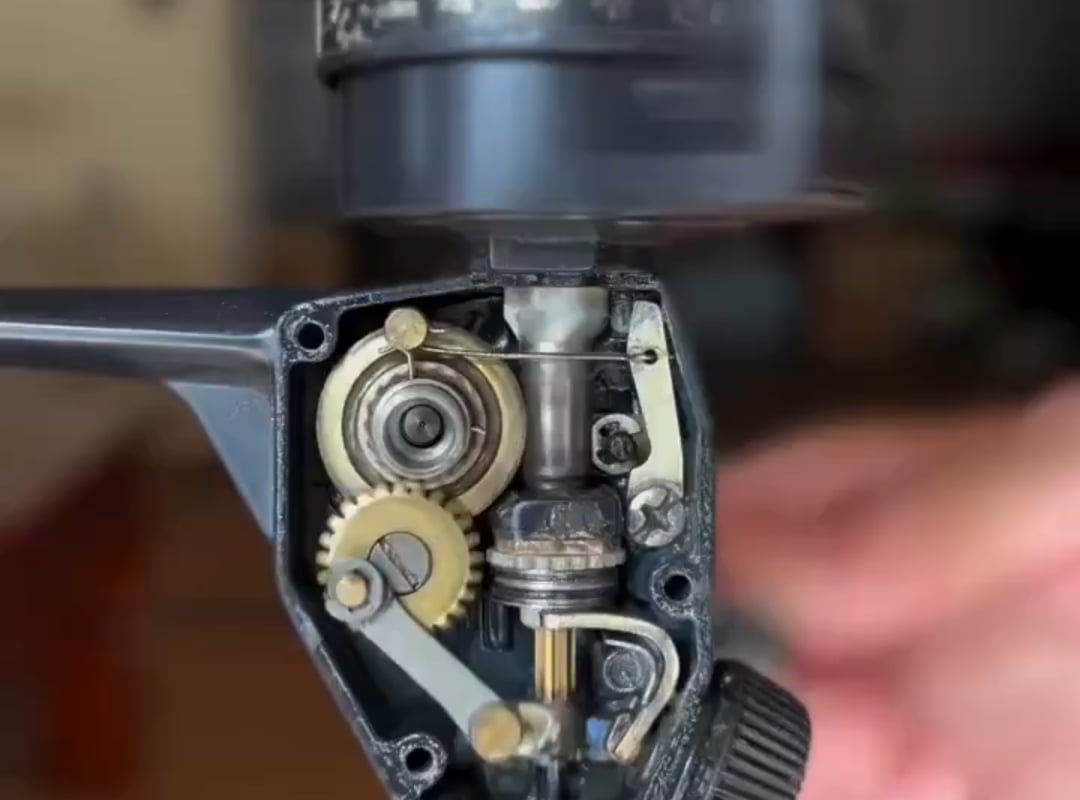
If you’re a fisherman and you’ve ever wondered how your reel works… Here’s the answer.
How Does Your Fishing Reel Work? A Deep Dive into the Mechanics of Angling’s Essential Tool
Whether you’re casting for bass in a serene lake, battling a trophy marlin offshore, or fly fishing in a rushing river, your fishing reel is the unsung hero of your angling success. But how exactly does this intricate device transform your effort into a seamless connection with the fish? In this guide, we’ll unpack the mechanics of fishing reels in simple terms, empowering you to fish smarter, troubleshoot issues, and appreciate the engineering brilliance at your fingertips.
The Basics: What Does a Fishing Reel Actually Do?
At its core, a fishing reel has three primary functions:
- Store Line: It holds the fishing line securely when not in use.
- Cast Line: It allows controlled release of line during a cast.
- Retrieve Line: It winds line back in to fight fish or reposition lures.
Most reels achieve this with a combination of gears, springs, spools, and braking systems. But the exact mechanics vary based on the type of reel.
Types of Reels & How They Operate
1. Spinning Reels (Open-Face Reels)
Best for: Beginners, light-to-medium fishing scenarios.
- How It Works:
- The spool remains stationary during casting. When you open the bail (the metal wire arm), line flows freely off the spool.
- During retrieval, the bail closes, and the rotor spins around the spool, guided by a pinion gear, to wind the line evenly.
- The drag system (usually a stack of washers) adjusts resistance to prevent line breaks during a fish’s run.
2. Baitcasting Reels
Best for: Precision casting, heavy lures, experienced anglers.
- How It Works:
- The spool rotates during casting, requiring thumb control to prevent tangles (“backlash”).
- A centrifugal or magnetic braking system regulates spool speed mid-cast.
- Gears (often aluminum or brass) multiply handle rotations for powerful retrieves under load.
3. Fly Reels
Best for: Fly fishing, lightweight artificial flies.
- How It Works:
- Simpler mechanically; most lack gears for retrieval power and focus on storing specialized fly line and backing.
- The drag system is critical for fighting fish, using cork, felt, or sealed discs to create smooth resistance.
4. Spincast Reels
Best for: Kids, casual anglers, minimal line tangles.
- How It Works:
- Line feeds through a small hole in a closed-face cover (“nose cone”).
- Pressing the thumb button releases the spool for casting. Releasing the button engages the pickup pin for retrieval.
5. Trolling Reels
Best for: Deep-sea fishing, controlled trolling speeds.
- How It Works:
- Heavy-duty gears and drags handle large, fast fish.
- Often feature line counters for precision depth targeting.
Key Components & Their Functions
A. The Spool
- Purpose: Holds the fishing line.
- Mechanics: Spools on spinning reels are fixed; baitcasting/trolling reels use rotating spools. Overfilling loosens line control.
B. The Handle & Gear System
- Purpose: Converts your cranking force into retrieval power.
- Mechanics: Gear ratios (e.g., 5:1) indicate spool turns per handle rotation. High ratios retrieve faster; low ratios offer more torque against big fish.
C. The Drag System
- Purpose: Applies adjustable pressure to the spool to tire fish without snapping the line.
- Mechanics: Works like a car’s brake system—tightening drag increases resistance, while loosening gives fleeing fish room.
D. The Bail (Spinning Reels)
- Purpose: Flips open to release line during the cast and closes to guide line during retrieval.
E. Bearings
- Purpose: Reduce friction for smoother casting and retrieval. More bearings = smoother operation (e.g., 10+1 bearings).
Why Understanding Your Reel Matters
- Prevent Tangles & Backlash: Knowing how line feeds (e.g., stationary vs. rotating spool) helps you cast cleaner.
- Optimize Drag Settings: Adjust drag mid-fight based on your reel’s mechanics—don’t crank it to “max” blindly.
- Troubleshoot Issues: Grinding gears? Sticky bail? Diagnose problems faster by understanding the parts involved.
- Choose the Right Reel: Match reel types to your target species and technique.
Maintenance Tips for Peak Performance
- Clean regularly: Rinse with freshwater after saltwater use.
- Lube bearings and gears: Use reel-specific lubricant (not WD-40).
- Check drag washers: Replace worn cork or carbon fiber drag components.
- Store loosely: Never leave the drag fully tightened; it compresses washers.
Conclusion: The Reel Deal
Your fishing reel isn’t just a tool—it’s a finely tuned machine blending physics and finesse. Whether you’re fighting a monster tarpon or casting for panfish, understanding the how behind the reel transforms you from a passive angler to an empowered one. So next time you hear that drag scream, you’ll know exactly what’s happening inside that little powerhouse on your rod. Tight lines!
Loved learning how your reel works? Share this guide with fellow anglers or dive deeper into our breakdowns of [how to choose the perfect reel] or [top 5 reel maintenance hacks].
Meta Description
Ever wondered how your fishing reel works? Explore the mechanics of spinning, baitcasting, fly, and spincast reels—plus expert maintenance tips—in this detailed angler’s guide.