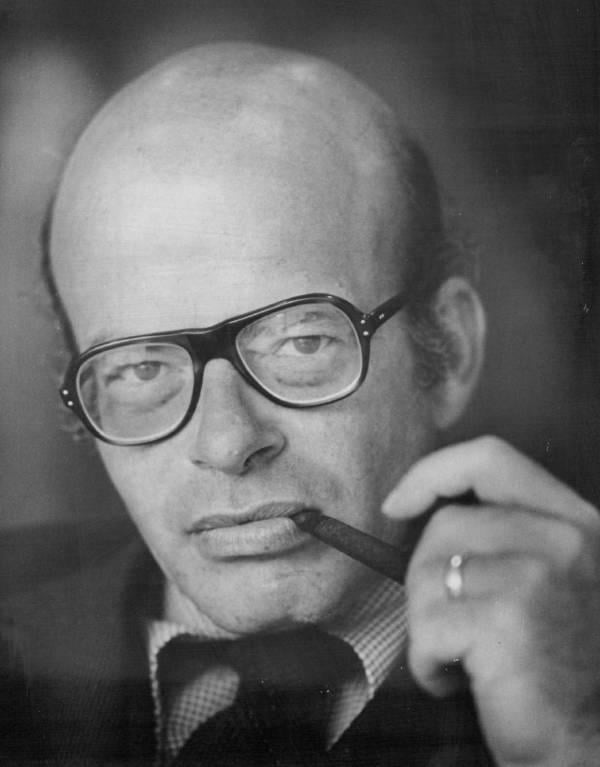
In 1973, healthy volunteers faked hallucinations to enter mental hospitals. Once inside, they acted normal, but doctors refused to let them leave. Normal behaviors like writing were diagnosed as “symptoms.” The only people who realized they were sane were the actual patients.
Title: The Rosenhan Experiment: When Sanity Was Mistaken for Insanity (1973 Psychology Study Exposed)
Meta Description: In 1973, David Rosenhan’s groundbreaking study exposed alarming flaws in psychiatric diagnosis. Healthy volunteers pretended to hear voices to enter mental hospitals, only to be trapped by labels. Discover the shocking truth of how “normal” became “insane.”
Introduction: The Experiment That Shook Psychiatry
In 1973, psychologist David Rosenhan published a study titled “On Being Sane in Insane Places,” revealing a terrifying reality: healthy people could be diagnosed as mentally ill and trapped in institutions—simply because labels stuck. This daring experiment involved “pseudopatients” faking hallucinations to enter mental hospitals, only to face a system that couldn’t distinguish sanity from insanity. Decades later, its lessons about institutional bias and diagnostic flaws remain urgent.
Key Details of the 1973 Study: How It Worked
Rosenhan’s team included eight volunteers (psychologists, a psychiatrist, and others) who feigned auditory hallucinations (hearing voices saying “empty,” “hollow,” and “thud”) to gain admission to 12 mental hospitals across the U.S. The volunteers:
- Stopped acting post-admission: Once inside, they behaved normally.
- Kept secret notes: Documenting staff-patient interactions.
- Aim: To test if hospitals could detect sanity vs. insanity.
Every single pseudopatient was admitted with a schizophrenia diagnosis. None were exposed by staff—despite showing zero symptoms.
Trapped by Labels: How “Normal” Behaviors Became “Symptoms”
The real shock came after admission. Despite acting rationally, the pseudopatients faced:
- Pathologizing of everyday actions:
- Writing notes → Diagnosed as “obsessive behavior.”
- Boredom → Labelled “negative symptoms.”
- Questioning staff → Seen as “manipulation.”
- Institutional blindness: Staff rarely spoke to patients (average 6.8 mins/day), focusing on charts over real-world behavior.
- Average stay: 19 days (longest: 52 days). All were discharged with “schizophrenia in remission,” implying the illness still existed.
The irony? Only real patients suspected the pseudopatients were fakers! One said, “You’re not crazy. You’re a journalist or researcher.”
Why Doctors Couldn’t See the Truth: Diagnostic Bias Exposed
Rosenhan’s study highlighted systemic flaws:
- The stickiness of labels: Once diagnosed, all behavior was filtered through the “mental illness” lens.
- Power of institutions: Hospitals prioritized control over care, treating patients as cases, not humans.
- Lack of scientific rigor: Diagnoses weren’t based on observable symptoms but biases (e.g., “patient is uncooperative”).
When hospitals later challenged Rosenhan to send pseudopatients again, he declined—but staff still falsely identified 41 real patients as imposters! Proving diagnoses were often guesswork.
Lasting Impact: How the Study Changed Mental Healthcare
The Rosenhan experiment forced psychiatry to reckon with:
- Unreliable diagnoses: Leading to updated criteria in the DSM.
- Deinstitutionalization: Push toward community-based care.
- Patient advocacy: Highlighting the need for patient rights.
Yet challenges persist: Overdiagnosis, stigma, and institutional bias still plague mental healthcare today.
Conclusion: Lessons from 1973 for Modern Psychology
The Rosenhan Experiment remains a landmark cautionary tale. Labels can be prisons, and institutions risk amplifying—not healing—suffering when sanity is ignored. Its biggest takeaway?
“We cannot distinguish the sane from the insane in psychiatric hospitals.”
— David Rosenhan
Fifty years later, this study reminds us: Mental health systems must prioritize listening over labeling, humanity over hierarchy.
Call to Action: Share this article to spark conversation about mental health reform. Have you experienced diagnostic bias? Comment below.
Keywords: Rosenhan experiment, David Rosenhan study, 1973 psychology experiment, psychiatric hospital flaws, fake hallucinations, mental health diagnosis, sanity vs insanity, diagnostic bias, labeling in psychiatry.
Image Alt Text Suggestion: Illustration of a person trapped behind a “mental patient” label, symbolizing Rosenhan’s study on psychiatric misdiagnosis.
Internal Links to Build SEO:
- [History of Deinstitutionalization]()
- [How DSM Diagnoses Have Evolved]()
- [Patient Rights in Mental Healthcare]()