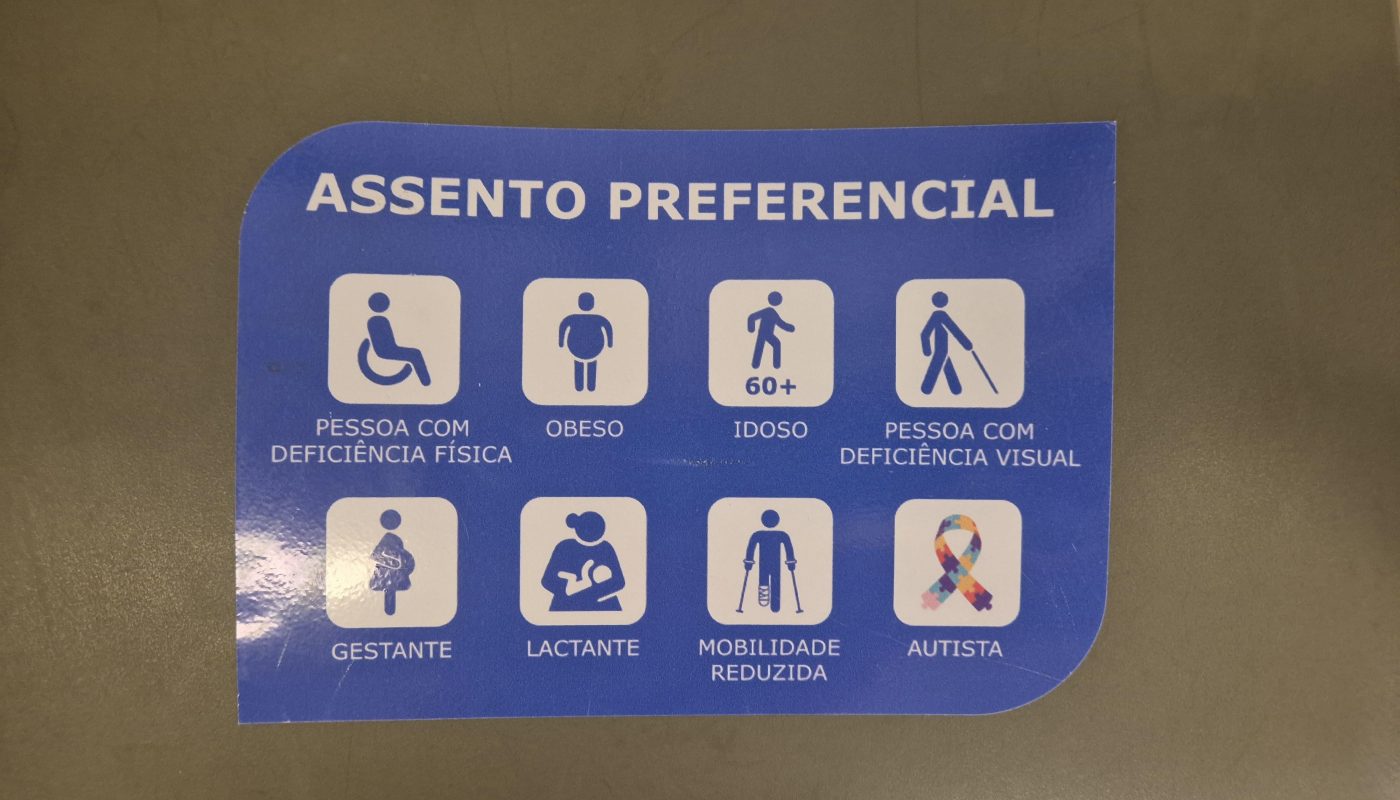
In Brazil’s Federal District, people with autism have preferential seats, preferential service in lines, and even parking spots
Title: Understanding Autism Rights in Brazil’s Federal District: Preferential Seats, Priority Service & Parking Access
Meta Description: Discover the legal protections for people with autism in Brazil’s Federal District, including preferential parking spots, priority service in queues, and dedicated seating.
Introduction
In Brazil’s Federal District (Distrito Federal), a pioneering legal framework ensures that individuals with autism spectrum disorder (ASD) enjoy specific accommodations to promote inclusion and accessibility. These rights—including preferential seating on public transportation, priority service in queues, and designated parking spots—are not just gestures of goodwill but enforceable legal mandates. This article breaks down how these policies work, their legal foundation, and what they mean for autistic individuals and their families.
1. Legal Protections for People with Autism
The Federal District’s commitment to autism rights stems from federal and regional laws:
- Federal Law No. 12,764/2012 (Berlinda Law): Recognizes autism as a disability, guaranteeing equal opportunities and access to public spaces.
- Local District Laws & Decrees: Cities like Brasília have enacted additional regulations to reinforce rights, such as parking spaces and priority service access.
These laws ensure accommodations are legally binding, requiring public and private establishments to comply.
2. Key Accommodations Available
A. Preferential Seating in Public Transport
- Where It Applies: Buses, metro systems, and other public transit within the Federal District.
- How It Works: People with autism (or their companions) can request priority seating. Drivers and staff are trained to assist.
- Requirements: A visible identifier (e.g., a bracelet or card) or a companion may be required to validate the need.
B. Preferential Service in Queues
- Priority in Lines: Banks, supermarkets, pharmacies, government offices, and hospitals must offer priority service to autistic individuals.
- Legal Backing: Part of broader disability rights laws (Estatuto da Pessoa com Deficiência), minimizing sensory overload and wait times.
- Implementation: Families report showing an autism ID card or simply informing staff to activate priority service.
C. Reserved Parking Spots
- Designated Spaces: Parking lots must reserve spots marked with the autism awareness symbol (a colored puzzle piece).
- Who Qualifies? Drivers transporting individuals with ASD can use these spots if displaying an official permit.
- Permit Process: Obtainable through the Federal District’s traffic department (Detran-DF) with medical documentation.
3. Broader Rights & Support
Beyond these accommodations, autistic individuals in the Federal District benefit from:
- Education: Guaranteed inclusive education with tailored support in public schools.
- Healthcare: Free access to therapies (speech, occupational) through SUS (Brazil’s public health system).
- Social Integration: Awareness campaigns and NGO partnerships combat stigma.
4. Challenges & Advocacy
Despite these laws, gaps remain:
- Awareness: Some businesses lack training on autism rights.
- Enforcement: Compliance varies, particularly in smaller towns.
Advocacy groups like Associação de Amigos do Autista (AMA-DF) push for stricter enforcement and standardization.
5. How to Access These Rights
- Formal Diagnosis: Obtain a medical report confirming ASD (required for permits/IDs).
- Documentation: Apply for priority service cards or parking permits via government offices.
- Public Awareness: Share knowledge about these rights to foster societal respect.
FAQs
Q: Do tourists with autism qualify for these accommodations?
A: Yes! The rights apply to everyone in the Federal District, including visitors.
Q: Does a person with autism need a companion to claim priority seating?
A: Not necessarily—laws recognize the autonomy of those who can self-advocate.
Q: Are private businesses fined for non-compliance?
A: Yes. Fines and penalties ensure enforcement of parking, seating, and queue rules.
Conclusion
Brazil’s Federal District sets a national standard for autism inclusion, ensuring practical rights that ease daily life for individuals with ASD. By prioritizing accessibility in transport, service, and parking, the region empowers autistic individuals to participate fully in society. Continued advocacy and awareness remain key to universal compliance.
Call to Action
Support autism inclusion! Share this article to spread awareness, or contact local representatives to strengthen enforcement. For resources, visit AMA-DF or Ministério dos Direitos Humanos (MDH).
SEO Keywords: Brazil autism rights, Federal District autism accommodations, preferential seats Brazil, priority service autism Brasília, autism parking spots Brazil, disability rights Brazil, Brasília autism laws.