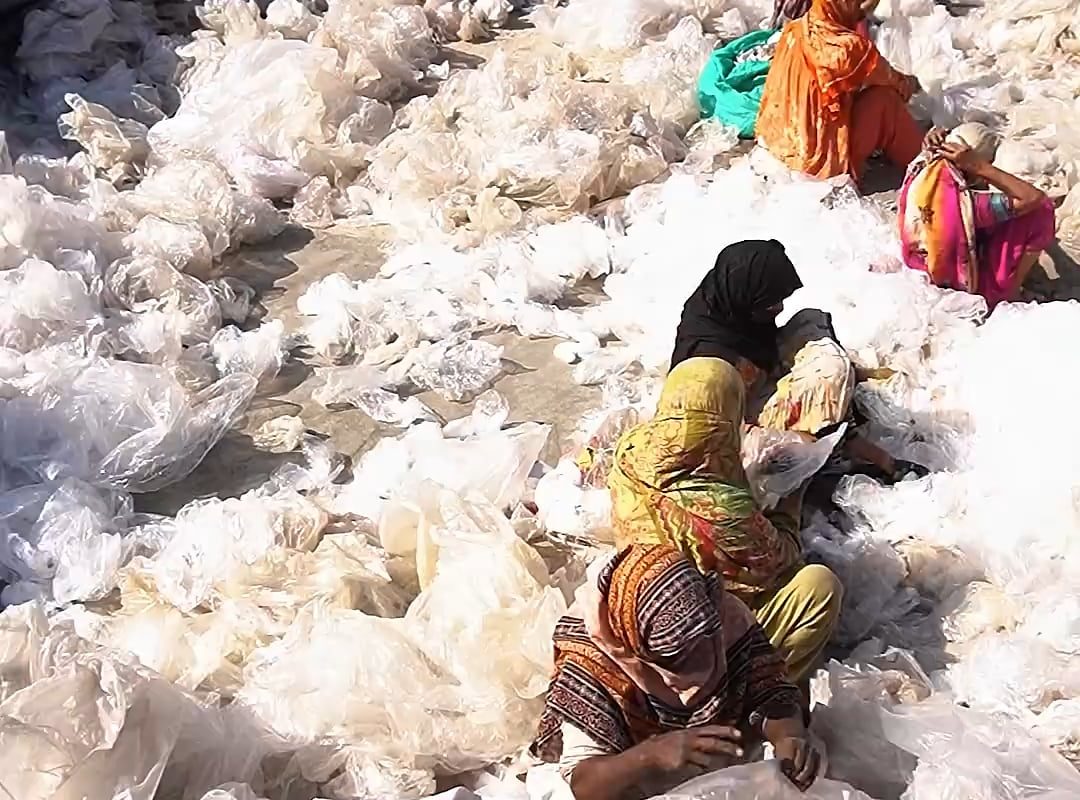
Incredible process of recycled plastic ♻️
The Incredible Journey of Recycled Plastic: From Waste to Wonder ♻️
Plastic pollution is one of the planet’s greatest environmental challenges — yet hiding within this crisis lies a remarkable solution: plastic recycling. What happens to that water bottle or food container once you toss it into the recycling bin? Join us as we unravel the fascinating, multi-stage process that transforms discarded plastic into valuable new resources.
Why Plastic Recycling Matters 🌍
Before diving into the process, let’s address the bigger picture:
- 8 billion tons of plastic have been produced since the 1950s.
- Only 9% of all plastic ever made has been recycled.
- Recycling plastic saves energy, reduces landfill waste, and cuts greenhouse gas emissions by up to 75% compared to virgin plastic production.
Step-by-Step: The Plastic Recycling Process ♻️
1. Collection & Sorting 🗑️→⚙️
The journey begins when you recycle! Plastic items are collected from homes, businesses, and public bins. They’re transported to Material Recovery Facilities (MRFs), where advanced systems sort them:
- Manual sorting: Workers remove contaminants (e.g., food waste, non-recyclables).
- Automated sorting: Machines use infrared sensors, air jets, and magnets to separate plastics by type (PET, HDPE, PVC, etc.).
Did You Know? Plastics are labeled with resin codes (♳️♴️♵️) to aid identification.
2. Cleaning & Shredding 🧼✂️
Sorted plastics undergo rigorous cleaning to remove labels, adhesives, and residues. They’re then shredded into tiny flakes or pellets. This step increases surface area, making melting more efficient.
3. Melting & Pelletizing 🔥💧
Clean flakes are melted and extruded through a machine to form small, uniform pellets called nurdles. These pellets become the raw material for manufacturers.
⚠️ Note: Some plastics undergo “depolymerization,” breaking them down chemically into original monomers for higher-quality reuse.
4. Manufacturing New Products 🏭✨
Recycled pellets are sold to companies that mold them into new items:
- PET → Clothing, carpets, new bottles.
- HDPE → Piping, toys, outdoor furniture.
- LDPE → Trash bags, packaging films.
The Ripple Effect: Benefits of Recycling Plastic 🌊
- Resource Conservation: Recycling 1 ton of plastic saves 5,774 kWh of energy (enough to power a home for 6 months!).
- Circular Economy: Plastic stays in use for decades, reducing reliance on fossil fuels.
- Innovation Boost: Recycled plastic is used in eco-bricks, 3D printing filaments, and even road construction!
Challenges & the Future 🔮
While plastic recycling is transformative, obstacles remain:
- Contamination: Food residue or non-recyclables can ruin entire batches.
- Complex Packaging: Multi-layered wrappers (e.g., chip bags) are hard to recycle.
- Market Demand: More industries must adopt recycled materials.
Tech Solutions: AI-powered sorting robots and enzymatic recycling (using bacteria to break down plastics) offer hope for a greener future.
How You Can Help ♻️✅
- Know Your Plastics: Learn local recycling guidelines.
- Clean It Up: Rinse containers before recycling.
- Reduce First: Opt for reusable alternatives when possible.
Final Thought 💡
The journey of recycled plastic isn’t just a technical process — it’s a global movement. Every bottle or container you recycle fuels this incredible loop of sustainability, proving that waste can indeed become wonder.
Meta Description: Discover how recycled plastic gets a second life! Learn about the step-by-step recycling process, environmental benefits, and how you can contribute to a circular economy. ♻️