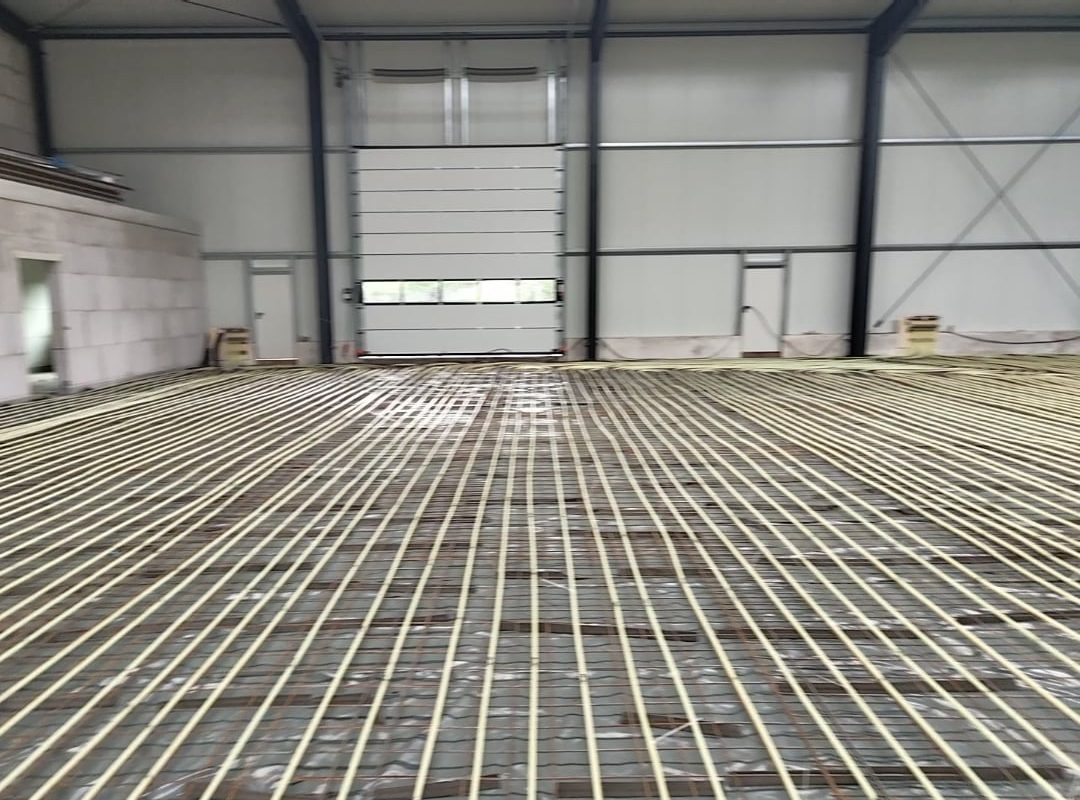
Industrial Floor-heating before the Concrete gets poured.
Industrial Floor Heating Before the Concrete Gets Poured: The Ultimate Guide to Radiant Heating Installation
For industrial facilities seeking energy-efficient, uniform, and long-lasting heating solutions, installing floor-heating systems before pouring concrete is a game-changer. Embedded radiant heating not only improves operational comfort but also slashes long-term energy costs and reduces maintenance hassles. This guide dives into the critical steps, best practices, and benefits of integrating hydronic or electric heating systems into industrial concrete slabs—before the pour.
Why Install Floor Heating Before Concrete Placement?
Industrial settings—warehouses, manufacturing plants, cold storage units, or hangars—demand durable, efficient climate control. Radiant floor heating embedded in concrete offers:
- Uniform Heat Distribution: Eliminates cold spots and reduces stratification (warm air rising).
- Energy Efficiency: Operates at lower temperatures than forced-air systems, cutting energy use by 20-40%.
- Space Optimization: Frees up wall/ceiling space by eliminating ductwork or overhead heaters.
- Durability: Protected by concrete, the system resists damage from heavy machinery or foot traffic.
- Low Maintenance: No moving parts, filters, or exposed components to service.
Key Components of Pre-Pour Industrial Floor Heating Systems
1. Hydronic (Water-Based) Systems
The most common choice for industrial applications due to scalability and efficiency:
- PEX Tubing: Flexible cross-linked polyethylene pipes circulate heated water. Industrial-grade PEX resistant to chemicals and high pressure is essential.
- Manifolds: Control flow to different zones for precise temperature management.
- Heat Source: Boilers, heat pumps, or industrial waste heat recovery systems.
2. Electric Systems
Ideal for smaller zones or retrofit projects:
- Heating Cables or Mats: Embedded in concrete and connected to a thermostat.
Step-by-Step Installation Process (Pre-Concrete Pour)
1. Subbase Preparation
- Compact and level the subgrade (gravel or sand) to prevent shifting.
- Install a vapor barrier to block moisture from damaging the heating system.
2. Insulation Layer (Critical for Efficiency!)
- Why: Without insulation, up to 30% of heat escapes downward.
- Materials: High-density rigid foam (XPS or EPS) with an R-value of R-10+ recommended.
3. Heating System Layout & Securement
- Hydronic PEX Layout:
- Loop tubing in a serpentine pattern with 6–12-inch spacing (adjust based on heat load).
- Secure to insulation using rebar chairs, zip ties, or staples to prevent floating during pouring.
- Electric Systems: Fix mats/cables evenly, avoiding overlaps.
4. Pressure Testing (Hydronic Systems)
- Test tubes at 1.5x operating pressure (e.g., 60–100 PSI) for 24 hours before pouring to detect leaks.
5. Reinforcing Mesh/Rebar Installation
- Place steel reinforcement above tubing to prevent cracking and add slab strength.
6. Concrete Pouring Best Practices
- Use a minimum 4-inch slab thickness for industrial loads.
- Ensure concrete flows evenly around tubes/cables—avoid mechanical vibrators near heating elements.
- Cure concrete slowly (7+ days) to prevent cracking around components.
3 Expert Tips for a Flawless Installation
- Zone Strategically: Divide large floors into zones with separate controls to heat only occupied areas.
- Thermal Breaks: Isolate slab edges with foam to prevent heat loss to walls or footings.
- Document Everything: Create an “as-built” map of tubing layouts to avoid drilling into lines later.
Common Mistakes to Avoid
- Skipping Insulation: Without it, efficiency plummets.
- Poor Fastening: Unsecured tubing shifts during pouring, causing uneven heating.
- Ignoring Expansion Joints: Plan joints to align with heating zones (tubes should not cross joints).
Cost vs. ROI: Is Industrial Radiant Floor Heating Worth It?
- Upfront Costs: Hydronic systems average $6–12/sq. ft. (installed); electric systems cost $8–15/sq. ft.
- Long-Term Savings: 20–50% lower operational costs vs. forced-air systems.
- Lifespan: PEX tubing lasts 50+ years; boilers require replacement every 15–25 years.
Final Takeaways
Installing industrial floor heating before pouring concrete is a forward-thinking investment that pays off in operational efficiency, worker comfort, and lifecycle savings. By prioritizing proper insulation, secure installation, and zoning, facilities can achieve a seamless, high-performance system that lasts decades.
Ready to Plan Your Project? Consult a radiant heating specialist to design a system tailored to your facility’s load requirements, layout, and budget. The concrete pour waits for no one—strategize your heating system today!
Target Keywords:
- Industrial floor heating before concrete pour
- Radiant heating in concrete slab
- Hydronic heating installation industrial
- Pre-pour radiant floor system
- Concrete slab heating systems
Meta Description:
Discover how to install industrial floor heating BEFORE pouring concrete. Learn installation steps, cost-saving tips, and why radiant systems outperform forced-air heating in warehouses, factories & more.