Inside the world’s largest Bitcoin mine
Inside the World’s Largest Bitcoin Mine: A Glimpse into Crypto’s Epicenter
The world of Bitcoin mining is defined by relentless innovation and jaw-dropping scale. Few operations embody this like the Whinstone US facility in Rockdale, Texas—currently the largest Bitcoin mine on the planet. Operated by Riot Platforms (formerly Riot Blockchain), this sprawling complex offers a rare look into the future of cryptocurrency, energy infrastructure, and industrial-scale blockchain technology.
Location & Infrastructure: Why Texas?
Spanning over 100 acres and capable of drawing 750+ megawatts (MW) of power, the Rockdale mine epitomizes why Texas has become a global hub for Bitcoin mining:
- Deregulated Energy Market: Texas’ ERCOT grid allows miners to negotiate competitive electricity rates and tap into surplus renewable energy.
- Abundant Renewable Power: Over 50% of the mine’s energy comes from wind and solar—critical for sustainable operations amid environmental concerns.
- Climate & Space: Cheap land and mild winters reduce cooling costs, while proximity to major power lines ensures scalable energy access.
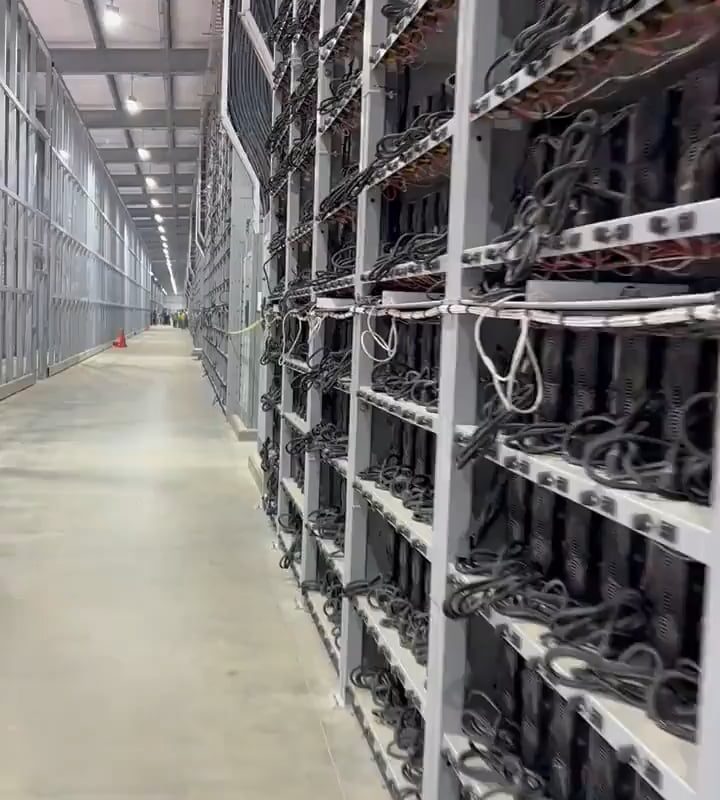
The facility features tens of thousands of Antminer ASICs (Application-Specific Integrated Circuits)—specialized hardware that solves complex algorithms to secure Bitcoin’s network. Riot has deployed over 200,000 miners here, generating a staggering 12+ exahashes per second (EH/s)—roughly 4% of Bitcoin’s global computing power.
Powered by the Texas Grid: Balancing Energy & Innovation
Bitcoin mining’s energy demands have drawn scrutiny, but the Rockdale mine leverages Texas’ unique advantages:
- Demand Response Programs: Riot voluntarily curtails operations during peak energy demand, selling electricity back to the grid for profit. This stabilizes the ERCOT network and offsets costs.
- Renewable Partnerships: Contracts with wind/solar providers ensure low-cost, clean energy while supporting Texas’ renewable infrastructure growth.
- Immersion Cooling: Some sections use advanced liquid-cooling systems, boosting efficiency by submerging miners in non-conductive fluid.
Inside the Mining Operation: Where Tech Meets Scale
Walking through the facility reveals a meticulously engineered ecosystem:
- ASIC Farms: Thousands of miners run 24/7 in warehouse-sized halls, emitting a deafening roar.
- Airflow Systems: Custom ducts funnel hot air out while pulling cool air in—slashing cooling costs by 30% vs. traditional methods.
- Control Centers: AI-driven software tracks hardware performance, weather, and energy prices to optimize profitability in real time.
Reviving Rockdale: Economic Impact
Once home to Alcoa’s aluminum plant, Rockdale faced economic decline until Bitcoin mining arrived. Riot’s facility has:
unsure- Created 300+ local jobs.
- Revitalized infrastructure, repurposing abandoned industrial sites.
- Positioned Texas as a crypto-mining leader, attracting $2B+ in investments since 2020.
Challenges & Criticisms
Despite its benefits, the mine faces hurdles:
- Energy Debates: Critics argue Bitcoin mining strains grids and increases emissions. Riot counters that its renewable mix and demand-response programs make it a grid stabilizer, not a drain.
- Market Volatility: Falling Bitcoin prices can squeeze margins, forcing miners to hedge via futures contracts or diversify revenue streams.
The Future of Mega-Mining
Riot plans to expand the facility to 1+ gigawatt (GW) capacity by 2025, cementing its dominance. Key trends shaping its future:
- AI Integration: Using excess capacity for AI data processing.
- Policy Collaboration: Working with lawmakers to incentivize clean-energy mining.
- Decentralization Push: As mining scales, smaller farms in diverse regions (e.g., Scandinavia, Africa) balance network resilience.
Why Scale Matters for Bitcoin
Large mines like Rockdale aren’t just profit engines—they’re critical infrastructure for Bitcoin:
- Network Security: Massive computing power deters attacks, keeping the blockchain trustworthy.
- Democratization: By lowering operational costs, industrial miners enable smaller players to compete via hosting services.
Conclusion
The Whinstone mine is more than a marvel of engineering—it’s a blueprint for Bitcoin’s sustainable evolution. By merging Texas’ energy advantages with cutting-edge hardware, Riot Platforms proves that crypto mining can coexist with environmental goals while powering economic growth. As the industry matures, facilities like this will define how blockchain integrates with global energy systems—turning skeptics into believers, one megawatt at a time.
Keywords: World’s largest Bitcoin mine, Texas Bitcoin mining, Whinstone US facility, Riot Platforms, cryptocurrency mining farm, Bitcoin mining operations, renewable energy mining, ERCOT Bitcoin, industrial-scale blockchain.
Explore more crypto insights at Riot Platforms.