Jane Elliott “Blue Eyes – Brown Eyes” Experiment Anti-Racism (1968)
Title: Jane Elliott’s “Blue Eyes/Brown Eyes” Experiment: The Shocking 1968 Anti-Racism Lesson That Changed Education
Meta Description: Discover how Jane Elliott’s groundbreaking 1968 “Blue Eyes/Brown Eyes” exercise taught children about racism in just one day—and why its lessons remain vital today.
Introduction: A Classroom Divided
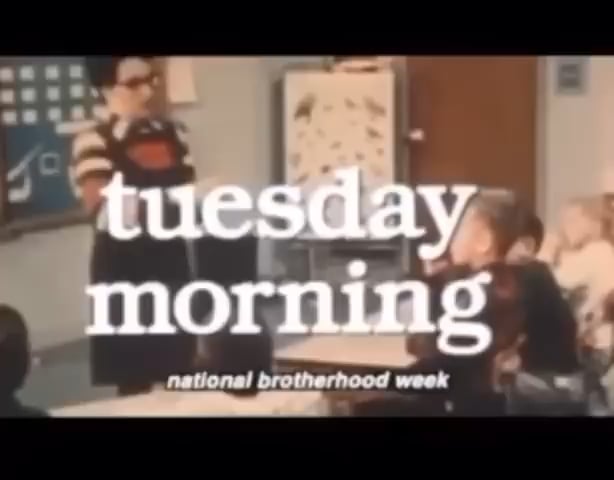
On April 5, 1968, the day after Dr. Martin Luther King Jr. was assassinated, third-grade teacher Jane Elliott conducted a radical experiment in her all-white classroom in Riceville, Iowa. Disturbed by her students’ inability to grasp the reality of racial discrimination, Elliott designed the “Blue Eyes/Brown Eyes” exercise—a daring, hands-on lesson demonstrating the brutality of prejudice. What began as an impromptu activity became a landmark in social psychology and anti-racism education.
The Experiment: How It Worked
Elliott split her class into two groups based on a visible yet arbitrary trait: eye color.
- Day 1: Blue-eyed children were labeled “superior.” They received extra privileges: second helpings at lunch, extended recess, praise from Elliott, and access to better classroom equipment.
- Day 2: Roles reversed. Brown-eyed children became the “superior” group, while blue-eyed students were degraded as “inferior.”
Elliott enforced strict rules:
- The “inferior” group wore collars to be easily identified.
- Discriminatory language and segregation were encouraged.
- Academic performance was tied to perceived superiority.
Almost immediately, behavior changed:
- “Superior” children grew arrogant, bullying their peers and performing better academically.
- “Inferior” children became withdrawn, anxious, and scored worse on tests—even those previously excelling.
The results stunned everyone: students internalized prejudice within hours.
Why the Experiment Shocked the World
At a time when discussions of racism were taboo in white communities, Elliott’s exercise made discrimination visceral:
- Children Experienced Systemic Oppression: Students felt the psychological weight of bias firsthand—reduced to stereotypes based on an uncontrollable trait.
- Debunked “Genetic” Racism: By linking intelligence/behavior to eye color, Elliott proved racism is learned, not innate.
- Sparked Lifelong Empathy: Years later, participants credited the experiment with shaping their views on equality.
However, Elliott faced severe backlash. Parents accused her of “traumatizing” children, and local businesses shunned her family. Yet, the experiment went viral after a 1970 Tonight Show appearance, cementing its place in civil rights history.
Criticisms and Ethical Debates
While praised as revolutionary, the experiment raised ethical questions:
- Psychological Harm: Critics argued Elliott manipulated children without informed consent.
- Simplification: Some claimed it reduced racism to individual acts, ignoring systemic structures.
Elliott defended her methods:
“You are not born racist. You are born into a racist society. And like anything else, if you can learn it, you can unlearn it.”
Legacy: A Blueprint for Anti-Racism Education
Elliott’s work inspired global workshops on implicit bias, diversity training, and equity-centered teaching. Key takeaways include:
- The Speed of Internalized Bias: Even brief discrimination corrodes self-worth and performance.
- Active Allyship: Passive tolerance isn’t enough—fighting racism requires conscious action.
- Education as Liberation: Teachers can disrupt prejudice by confronting it directly.
Today, the experiment remains relevant amid movements like Black Lives Matter. Elliott, now in her 90s, continues lecturing worldwide, urging audiences to “treat people according to their humanity, not their skin color.”
Conclusion: Why the “Blue Eyes/Brown Eyes” Experiment Still Matters
Jane Elliott’s courageous lesson exposed racism as a social construct—one that can be dismantled through empathy and education. In an era of rising racial tensions, her experiment reminds us:
- Prejudice is taught—and can be untaught.
- Silence enables oppression.
- Change starts with confronting uncomfortable truths.
For educators, policymakers, and activists, Elliott’s message endures: “We are members of one race—the human race.”
Keywords for SEO:
Jane Elliott, Blue Eyes Brown Eyes, anti-racism experiment 1968, racism lesson for kids, Jane Elliott classroom exercise, prejudice psychology, Dr. Martin Luther King Jr. assassination, systemic discrimination in education, implicit bias training, ethical debates in psychology, Black Lives Matter allyship.
Internal Links Suggestions:
- [Video: Jane Elliott’s 1968 Experiment Documentary]
- [Resources for Teaching Anti-Racism in Schools]
- [Timeline of Civil Rights Education Milestones]
By combining historical context, human impact, and modern relevance, this article positions Jane Elliott’s experiment as both a pivotal moment in civil rights history and a timeless tool for social justice education.