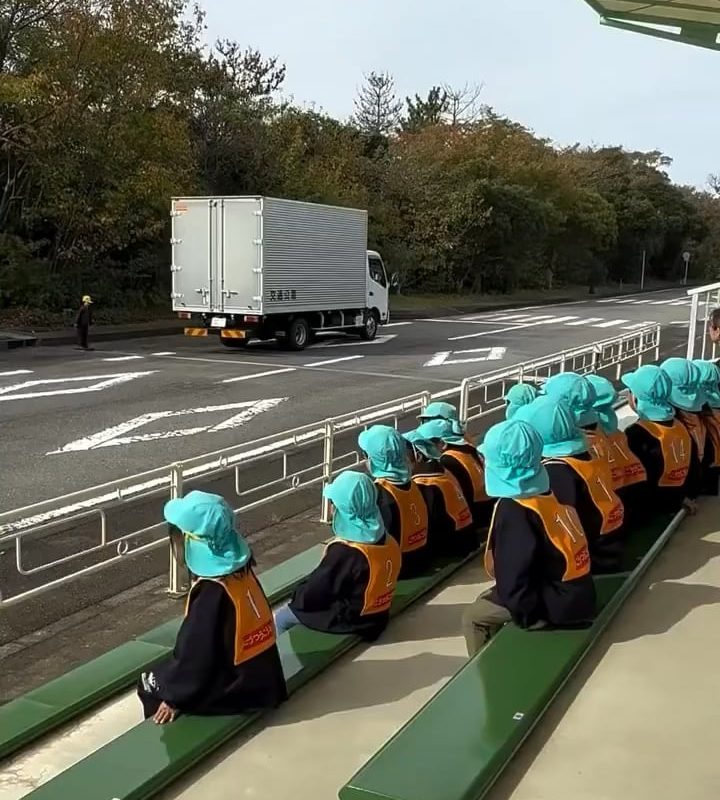
Japanese kids learning about road safety
Title: How Japan Teaches Road Safety to Kids: A Model for the World
Meta Description: Discover Japan’s innovative approach to teaching road safety to children, from school programs to community initiatives. Learn why Japanese kids are among the safest pedestrians globally.
URL Slug: japanese-kids-road-safety-education
How Japan Instills Lifelong Road Safety Habits in Children
Japan is renowned for its low traffic accident rates and orderly streets, a feat attributed partly to its rigorous road safety education for children. From kindergarten to elementary school, Japanese kids learn traffic rules through immersive, hands-on lessons that emphasize responsibility and awareness. Here’s a look at how Japan turns its youngest citizens into safety-savvy road users.
Early Start: Road Safety Education Begins in Kindergarten
In Japan, road safety isn’t an optional skill—it’s a core part of growing up. Lessons begin as early as age 3–4 in yōchien (kindergarten), where children practice:
- Crossing streets correctly: Using mock zebra crossings and traffic lights in schoolyards.
- The “Teburu Method”: Raising one hand high while crossing to increase visibility to drivers.
- Role-playing scenarios: Teachers act as drivers or cyclists to teach situational awareness.
By elementary school, students master the “Right! Left! Right!” rule—checking both ways before crossing—and the dangers of “sudden dashes” near driveways or parked cars.
School-Led Safety Programs
Japanese elementary schools integrate road safety into daily routines:
- Group Walking Practices: Classes walk together to nearby parks, supervised by teachers, to practice real-world navigation.
- Police Partnerships: Local officers visit schools to host workshops on bike safety, helmet use, and blind spots.
- Traffic Safety Notebooks: Students track their habits, like helmet usage, fostering accountability.
In many cities, first graders receive bright yellow safety covers for their backpacks (randoseru) and reflective stickers for visibility.
Community Involvement: A Shared Responsibility
Road safety in Japan is a community effort:
- Volunteer “School Safety Guards”: Parents and retirees patrol school routes during drop-off/pick-up times.
- Drivers Slow Down Automatically: Near schools, drivers reduce speeds without signage—a cultural norm.
- “Children at Play” Signs: Residential areas display kodomo hinpan warnings to remind drivers to stay alert.
This collective vigilance ensures kids internalize safety as a social value, not just a rule.
Innovative Learning: Traffic Parks & VR Training
Japan’s Kōtsū Anzen Kyōshitsu (Traffic Safety Education Centers) offer lifelike training environments:
- Miniature Cities: Kids ride bikes through scaled-down streets with working traffic signals.
- VR Simulations: Older children experience accident scenarios to understand consequences.
- Bicycle Licence Tests: Many prefectures require kids to pass a cycling safety exam before riding solo.
These interactive experiences turn theory into muscle memory.
Parental Role: Home Reinforcement
Parents amplify school lessons by:
- Walking the school route with children before the first day.
- Encouraging helmet use for biking (even short trips).
- Modeling safe behavior, like never crossing on a red light.
Japan’s emphasis on consistency—between home, school, and community—creates lasting habits.
Results: Why Japan’s Approach Works
Japan has one of the world’s lowest child traffic fatality rates (0.2 fatalities per 100,000 children vs. 2.5 in the U.S.). This success stems from:
- Repetition: Annual refresher courses from ages 3–12.
- Tangible Incentives: Badges, certificates, and public recognition for safe behavior.
- Cultural Priority: Safety is framed as respect for oneself and others.
Key Takeaways for Global Educators
While Japan’s system relies on unique cultural elements, its core strategies can inspire worldwide reforms:
- Start road safety education early and consistently.
- Combine theory with hands-on practice.
- Mobilize schools, police, and communities as partners.
Final Thought
Japan’s road safety education isn’t just about avoiding accidents—it’s about raising alert, courteous citizens who value life. By investing in children today, Japan ensures safer roads for generations to come.
Call to Action
Want to bring Japanese-style safety programs to your community? Share this article with educators and local policymakers!
Keywords: Japanese road safety for kids, child pedestrian safety Japan, school traffic education, Japanese traffic parks, children’s bike safety, teaching kids road rules, Japan low traffic accidents