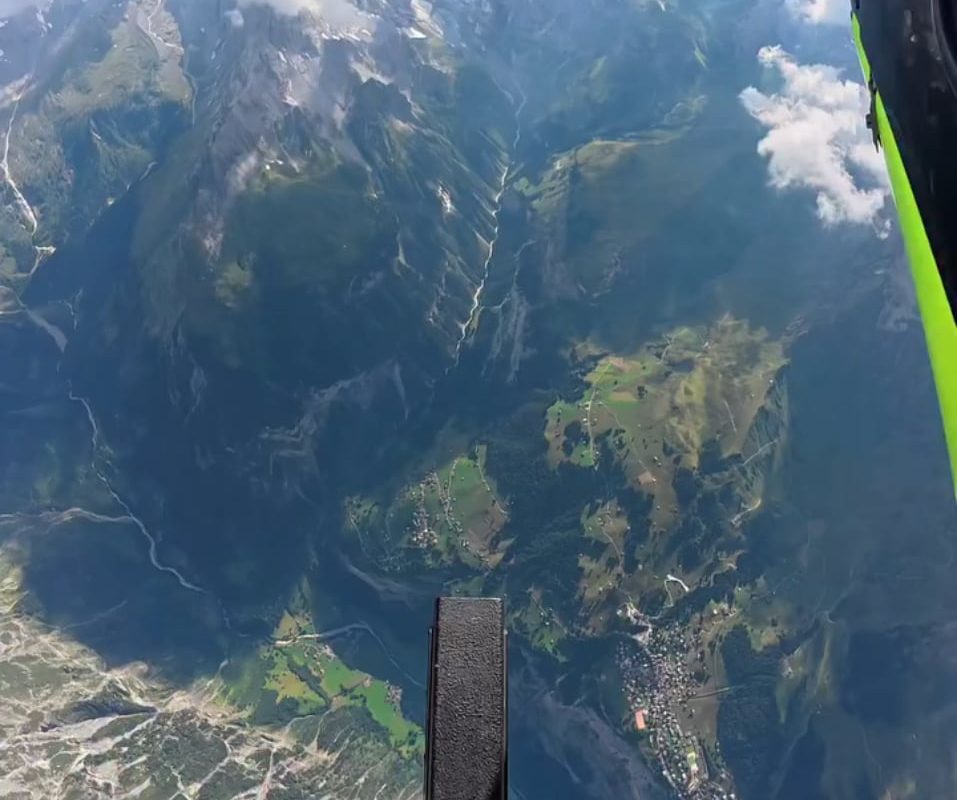
Jumping from a helicopter
Title: The Ultimate Adrenaline Rush: Everything You Need to Know About Jumping from a Helicopter
Introduction
Jumping from a helicopter is one of the most exhilarating adventures on the planet. Whether you’re a seasoned skydiver, a BASE jumper, or a thrill-seeker looking to cross an item off your bucket list, leaping from a hovering aircraft offers a unique blend of freedom, adrenaline, and awe-inspiring views. In this guide, we’ll break down what it takes to jump from a helicopter, the safety protocols involved, top destinations, costs, and why this experience redefines adventure.
What Is Helicopter Jumping?
Helicopter jumping involves exiting a helicopter mid-flight, either via skydiving (with a parachute) or BASE jumping (with a specialized parachute system). Unlike traditional airplane skydiving, helicopters can hover at lower altitudes, allowing for faster exits, sharper descents, and unparalleled proximity to dramatic landscapes like mountains, coastlines, or urban skylines.
Key Types of Jumps:
- Tandem Skydiving: Ideal for beginners—you’re harnessed to an expert instructor who handles the technicalities.
- Solo Skydiving: Requires certification (e.g., USPA A-license) and lets you jump alone.
- BASE Jumping: For experts only—jumpers deploy parachutes quickly after freefalling near cliffs or structures.
Why Jump from a Helicopter Instead of a Plane?
- Lower Altitude: Helicopters typically fly between 1,500–10,000 feet, offering shorter freefalls but faster-paced action.
- 360-Degree Access: Unlike planes, helicopters can hover, allowing jumpers to exit directly above remote or rugged terrain.
- Thrill Factor: The roar of rotor blades and the open-door sensation create an unmatched adrenaline surge.
Safety First: How to Stay Secure
Safety is paramount in extreme sports. Reputable operators follow strict guidelines:
- Equipment: Parachutes, altimeters, AADs (automatic activation devices), and helmets are mandatory.
- Training: Tandem jumps require minimal training; solo/BASE jumps demand certification and experience.
- Weather Checks: Jumps only proceed in clear conditions with low wind speeds.
- Operator Credentials: Choose FAA-certified (U.S.) or internationally recognized operators with 5-star reviews.
Did You Know? Modern parachutes have a 99.9% success rate when properly maintained, making helicopter jumping statistically safe for prepared participants.
Top Destinations for Helicopter Jumping
- Interlaken, Switzerland: Leap above the Swiss Alps for glacial lakes and snowy peaks.
- Oahu, Hawaii: Dive over tropical rainforests and Pacific coastlines.
- Moab, Utah (U.S.): BASE jump from helicopters near crimson canyons and desert arches.
- Queenstown, New Zealand: The “Adventure Capital of the World” offers fjord and mountain backdrops.
- Dubai, UAE: Skydive over the Palm Jumeirah or Dubai Marina for an urban adrenaline rush.
Cost Breakdown: Is It Worth the Investment?
Helicopter jumps are pricier than traditional skydiving due to aircraft fuel and logistics:
- Tandem Jumps: $300–$600 USD (includes gear, training, and flight).
- Solo/BASE Jumps: $500–$1,000+ (varies by location and experience level).
Pro Tip: Book packages early—some operators offer discounts for group bookings.
What to Expect During Your Jump
- Pre-Jump Briefing: Learn hand signals, body positions, and emergency protocols.
- The Flight: Soar for 10–20 minutes, soaking in panoramic views.
- Exit: The door opens—you’ll feel the wind rush as you leap (or get a gentle push!).
- Freefall: Experience 30–60 seconds of pure adrenaline before parachute deployment.
- Canopy Ride: Glide for 5–10 minutes, steering toward the landing zone.
FAQs About Jumping from a Helicopter
Q: How high do you jump from a helicopter?
A: Most jumps occur between 5,000–10,000 feet. BASE jumps are lower (500–1,500 feet).
Q: Can beginners do this?
A: Yes! Tandem jumps require no prior experience—just courage.
Q: Is helicopter jumping scarier than skydiving?
A: The thrill is similar, but helicopter exits feel more “exposed” due to proximity to the ground.
Q: What’s the minimum age/weight?
A: Typically 18+ years and under 240 lbs (varies by operator).
Conclusion: Take the Leap of a Lifetime
Jumping from a helicopter isn’t just an activity—it’s a transcendent experience that combines human ingenuity with nature’s grandeur. From safety protocols to bucket-list destinations, this adventure is accessible to anyone ready to embrace the skies.
Ready to Fly? Book your jump today with certified operators like Skydive Hawaii or GoPro BASE Academy, and prepare for a story you’ll tell forever.
SEO Meta Description
“Discover the thrill of jumping from a helicopter: Safety tips, top destinations, costs & FAQs for skydiving or BASE jumping. Unleash your inner adventurer now!”
Target Keywords:
- Helicopter skydiving
- Jumping from a helicopter
- Helicopter BASE jumping
- Best helicopter jump experiences
- How to skydive from a helicopter
By blending practical advice with vivid storytelling, this guide equips adrenaline seekers with everything they need to conquer the skies—safely and memorably. 🌐🪂