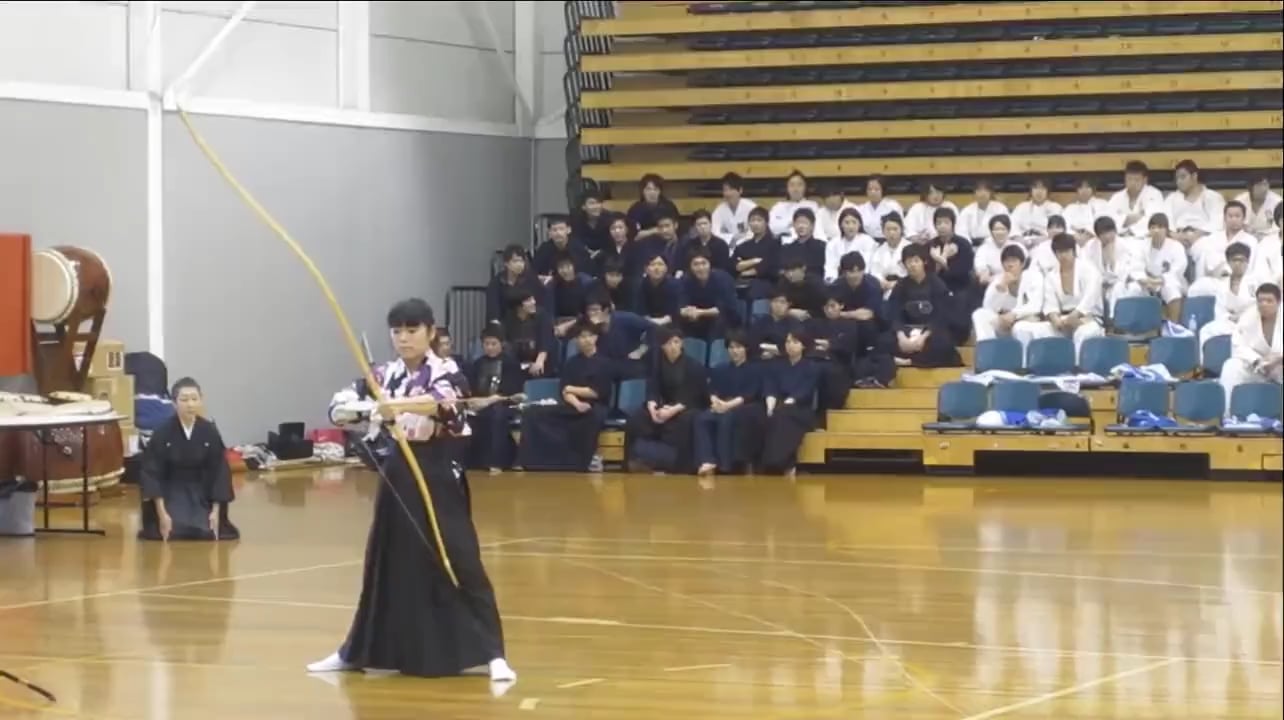
Kabura-ya (鏑矢) is a Japanese arrow used by the samurai in feudal Japan. Its sound was created by a specially carved bulb of deer horn attached to the tip & believed to chase away evil spirits before the battle 🔊
Kabura-ya: The Sacred Sound Arrows of the Samurai 🔥
In feudal Japan, the battlefield was a realm of strategy, honor, and spiritual symbolism. Among the many fascinating weapons wielded by samurai warriors, one stood out not just for its function, but for its haunting sound and mythical purpose: the Kabura-ya (鏑矢), or “whistling arrow.” Crafted to pierce both the air and the spirit world, these arrows were more than tools of war—they were instruments of ritual, intimidation, and protection.
What is a Kabura-ya?
The Kabura-ya is a specialized Japanese arrow distinguished by a bulb-shaped tip carved from deer horn (or occasionally wood) with perforations. When fired, air rushed through these holes, creating a high-pitched whistling sound 🔊. This sound carried over long distances, making the Kabura-ya a vital signaling tool. But its purpose went far beyond practicality—it was steeped in spiritual significance.
How Was It Made?
- Material: Hollowed-out deer antler or hardwood, often lacquered for durability.
- Design: A rounded, bulb-like head with precise holes for airflow.
- Integration: Fixed to the arrow shaft behind the standard arrowhead.
The Spiritual Power of Sound
In ancient Japan, battles were not just physical clashes but spiritual contests. Samurai believed malevolent spirits (kami or yokai) could influence the outcome of war. The Kabura-ya’s piercing scream served two sacred functions:
-
Banishing Evil 🌟
The arrow’s sound was thought to purify the battlefield, scaring away demons or curses before combat began. It acted as a protective charm, clearing the way for honorable combat. -
Honoring the Gods 🏹
Samurai fired Kabura-ya skyward as offerings to deities, seeking divine favor. This ritual underscored the sacred connection between war, nature, and the supernatural.
Military Strategy & Psychological Warfare
Beyond symbolism, the Kabura-ya was a tactical masterpiece:
- Signaling Troops: On chaotic battlefields, commanders used Kabura-ya volleys to coordinate attacks or retreats.
- Demoralizing Foes: The eerie sound instilled terror in enemies, signaling an impending assault from unseen archers.
- Ceremonial Use: Used in duels or contests to announce a warrior’s presence or intent.
Kabura-ya in Samurai Culture
The arrow’s legacy extends beyond warfare:
- Literature & Art: Featured in epic tales like The Tale of the Heike and woodblock prints (ukiyo-e).
- Symbol of Status: Only elite samurai or archers carried Kabura-ya, reflecting skill and nobility.
- Modern Legacy: Today, Kabura-ya are replicated in traditional archery (kyūdō) demonstrations and cultural festivals, preserving their eerie resonance.
FAQ: Key Questions About Kabura-ya
❓ Did Kabura-ya cause actual damage?
Yes! While the whistling head didn’t penetrate armor, the arrow often carried a functional point below it.
❓ Are Kabura-ya still used today?
Only symbolically—modern craftsmen create replicas for martial arts displays or cultural exhibitions.
❓ How loud were they?
Historical accounts describe the sound as “shrill” and “otherworldly,” carrying up to several hundred meters.
Conclusion: Echoes of Ancient Japan
The Kabura-ya stands as a testament to the samurai’s fusion of practical ingenuity and spiritual depth. Its whistle was a battle cry to mortals and gods alike—a sound that still haunts Japan’s cultural memory. Whether as a ceremonial artifact or a relic of warfare, the Kabura-ya remains one of history’s most evocative weapons.
Explore Further: Visit Japan’s historical museums or Kyoto’s Yabusame (horseback archery) festivals to hear the Kabura-ya’s call echo once more.
(Meta description: Discover the Kabura-ya (鏑矢), the samurai’s sacred whistling arrow. Explore its history, spiritual power, and tactical role in feudal Japan—crafted to chase evil spirits and command battles. ⚔️)
Keywords: Kabura-ya, Samurai Arrow, Whistling Arrow, Japanese Archery, Feudal Japan Weapons, Samurai Warfare, Spiritual Samurai Weapons, Deer Horn Arrow, Kyudo, Heian Period Weapons.