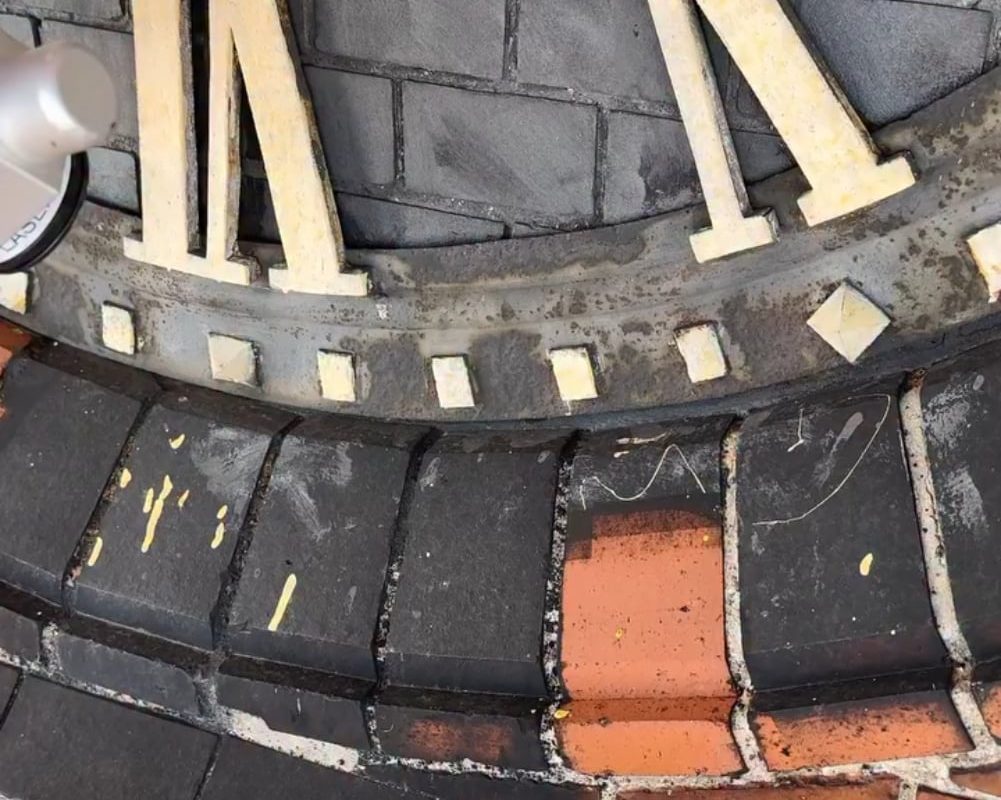
Laser cleaning these bricks
Title: Laser Cleaning for Bricks: A Revolutionary Solution for Restoration & Preservation
Meta Description: Discover how laser cleaning technology transforms brick restoration—gentle, eco-friendly, and precise. Learn the benefits, process, and applications of laser cleaning bricks.
Laser Cleaning Bricks: The Future of Eco-Friendly, Non-Abrasive Restoration
Introduction
Bricks are timeless building materials, prized for their durability and aesthetic appeal. However, decades of exposure to pollution, graffiti, biological growth (like mold or lichen), and industrial residues can degrade their appearance and structural integrity. Traditional cleaning methods—such as sandblasting, chemical washes, or high-pressure water jets—often risk damaging the brick’s surface or the mortar. Enter laser cleaning technology: a revolutionary, non-contact method that restores bricks without harm. In this guide, we’ll explore how laser cleaning works on bricks, its benefits, and why it’s becoming the gold standard for historical and modern masonry.
What Is Laser Cleaning?
Laser cleaning (or laser ablation) uses concentrated pulses of light to remove contaminants from surfaces. The laser’s energy vaporizes unwanted layers—rust, paint, carbon deposits, or biological growth—while leaving the underlying material untouched. This makes it ideal for delicate or historic bricks where preservation is critical.
How Does Laser Cleaning Work on Bricks?
-
Targeted Ablation:
The laser beam selectively interacts with contaminants (e.g., soot, paint, or dirt) due to their differing light absorption properties. Bricks, clay-based and porous, reflect the laser energy, ensuring only the unwanted material is removed layer by layer. -
No Secondary Waste:
Contaminants are vaporized into harmless dust, which is easily collected via built-in extraction systems—unlike traditional methods that create slurry or chemical runoff. -
Precision Control:
Operators can adjust the laser’s wavelength, intensity, and pulse duration to match specific brick types and contamination levels, ensuring zero damage to original surfaces.
Top 5 Benefits of Laser Cleaning Bricks
-
Gentle on Historic Structures
Perfect for restoring heritage buildings, churches, and monuments where preserving original brickwork is non-negotiable. -
Eco-Friendly & Chemical-Free
Eliminates toxic chemicals, wastewater, and media blasting waste (like grit or sand), making it safer for workers and the environment. -
Cost-Efficient Long-Term
Reduces labor costs (no scrubbing or repeat treatments) and extends brick lifespan by avoiding surface erosion. -
Versatility
Effective on all contaminants:- Graffiti
- Soot and smoke damage
- Efflorescence
- Organic growth (moss, algae)
- Industrial residues
-
Non-Abrasive & Non-Destructive
Maintains brick texture, color, and mortar integrity—critical for aesthetic and structural consistency.
When Is Laser Cleaning Ideal for Bricks?
Laser cleaning shines in scenarios where traditional methods fall short:
- Heritage Restoration: Safely cleans centuries-old bricks without compromising historic value.
- Fire-Damaged Buildings: Removes soot and charring without water damage.
- Industrial Sites: Cleans oil, grease, or heavy deposits from factory brickwork.
- Graffiti Removal: Erases vandalism without leaving chemical traces or scratches.
Laser Cleaning vs. Traditional Brick Cleaning Methods
| Method | Advantages | Drawbacks |
|---|---|---|
| Laser Cleaning | Non-contact, precise, no chemicals | Higher initial equipment cost |
| Sandblasting | Fast for heavy deposits | Erodes brick surfaces; damages mortar |
| Chemical Washes | Deep cleaning for tough stains | Toxic runoff; alters brick color/texture |
| Pressure Washing | Affordable & quick | Forces water into pores, causing freeze-thaw damage |
The Process: What to Expect
- Assessment: A specialist examines brick type, contamination, and project goals.
- Setup: The laser system is calibrated for optimal power and wavelength.
- Execution: The laser head scans the surface, vaporizing contaminants. Protective gear and dust extraction are standard.
- Final Inspection: Bricks are left clean, dry, and ready for sealing (if required).
Limitations & Considerations
- Cost: Initial investment is higher than traditional cleaning, but long-term savings offset this.
- Dark or Painted Bricks: May absorb more laser energy; testing on a small area is recommended.
- Not for Loose Mortar: Laser cleaning focuses on surface contaminants—repointing may still be needed.
FAQs About Laser Cleaning Bricks
Q: Is laser cleaning safe for all brick types?
A: Yes! It works on clay, concrete, and refractory bricks after proper calibration.
Q: How long does laser cleaning take?
A: Speed varies with contamination depth, but it’s often faster than manual scrubbing.
Q: Can laser cleaning strengthen bricks?
A: Indirectly—by removing corrosive contaminants, it prevents future degradation.
Q: Does it leave residue?
A: No. Dust is vacuumed during treatment, leaving no hazardous byproducts.
Conclusion
Laser cleaning represents a paradigm shift in brick restoration, blending cutting-edge technology with sustainability. Whether reviving a 19th-century warehouse or maintaining modern brick facades, this method delivers unparalleled precision and preservation. For projects demanding zero compromise on quality or ecology, laser cleaning isn’t just an option—it’s the future.
Call to Action
Ready to restore your brickwork with laser precision? Contact a certified laser cleaning specialist today for a contaminant-free, damage-free transformation.
Keywords for SEO:
Laser cleaning bricks, brick restoration technology, non-abrasive brick cleaning, laser ablation for masonry, eco-friendly brick cleaning, historic building restoration, graffiti removal from bricks, industrial brick cleaning, non-destructive cleaning methods.