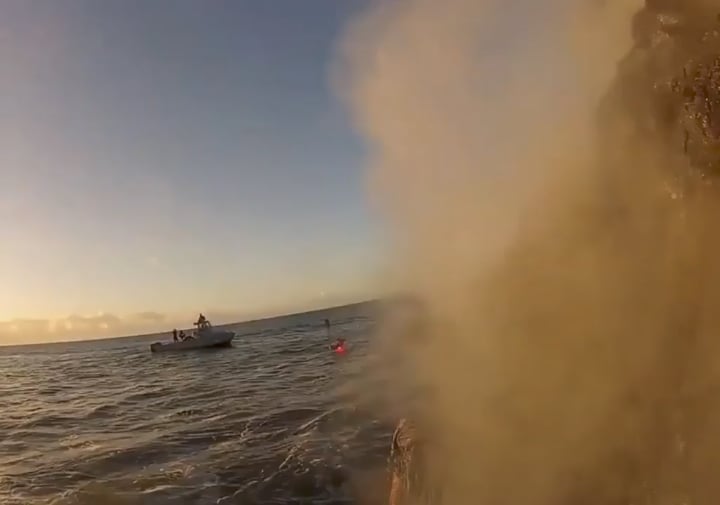
Lava falling into water
Title: Lava Falling Into Water: The Explosive Science Behind Natural Fireworks
Meta Description: Discover what happens when lava meets water. Explore the explosive reactions, stunning geological formations, and real-world examples of this fiery phenomenon.
When molten lava plunges into the ocean or a body of water, it triggers one of nature’s most dramatic showdowns: a spectacular fusion of fire and water. This violent collision creates billowing steam plumes, flying debris, and even new landforms. But what really happens when 2,000°F (1,100°C) lava crashes into water? Let’s dive into the science, risks, and jaw-dropping visuals of this geological marvel.
The Science of Lava-Water Explosions
Lava’s encounter with water isn’t just a simple cooling process—it’s a recipe for explosive chaos. Here’s why:
- Rapid Cooling and Steam Expansion: When lava hits water, the outer layer instantly solidifies into volcanic glass. Meanwhile, trapped water flash-boils into steam, expanding 1,700 times in volume. This sudden pressure surge shatters the lava, launching sharp fragments and ash into the air.
- Hydrovolcanic (Phreatomagmatic) Eruptions: In extreme cases, these interactions fuel violent explosions, ejecting lava bombs, ash clouds, and toxic gases like hydrochloric acid.
Lava-Water Interactions: From Pillows to Explosions
Not all lava-water meetings end in fireworks. The outcome depends on the lava’s composition, water depth, and meeting speed:
-
Pillow Lava (Submarine Eruptions):
- When slow-moving lava oozes into deep water, it forms bulbous “pillows” as the outer skin rapidly cools. This process builds underwater volcanoes and expands ocean floors.
- Fun Fact: Most of Earth’s volcanic activity happens underwater, hidden from view.
-
Explosive Fragmentation (Shallow Water):
- In shallower water, lava breaks apart violently, creating lapilli (pea-sized fragments) and fine ash. These particles form black sand beaches, like Hawaii’s Punaluʻu Beach.
Where to Witness Lava Meeting Water
These fiery spectacles occur where active volcanoes border oceans or lakes:
- Hawaii’s Kīlauea Volcano: The 2018 eruption sent lava rivers cascading into the Pacific, creating towering steam plumes and new coastline.
- Iceland’s Surtsey Island: Born from a 1963 undersea eruption, this UNESCO World Heritage site emerged from the Atlantic after explosive lava-water reactions.
- Vanuatu’s Yasur Volcano: Known for its persistent lava lake, Yasur occasionally hurls molten rock into nearby crater lakes.
Safety Note: Never approach active lava-water zones without expert guidance. Explosions, toxic gases, and unstable land are deadly hazards.
FAQs: Lava vs. Water
Q: Why does lava explode in water but not on land?
A: Water’s rapid cooling and steam expansion trigger explosions that air (on land) can’t match.
Q: Can lava-water reactions create new land?
A: Yes! Hawaii’s Big Island has grown by 500+ acres since 1983 thanks to lava solidifying in water.
Q: Is the steam from lava-water contact dangerous?
A: Extremely. It contains fine glass particles and corrosive acids harmful to lungs and eyes.
Explore Nature’s Fiery Wonder (Safely!)
Lava falling into water is a raw display of Earth’s power—a reminder of how our planet constantly reshapes itself. For adventurers, guided tours in Hawaii or Iceland offer distant views of this phenomenon. Pair your trip with visits to volcanic black sand beaches or geothermal hot springs for a full geological immersion!
Pro Tip: Book helicopter tours or boat excursions for a safe yet unforgettable vantage point.
Keywords for SEO: lava meeting water, lava-ocean explosion, pillow lava, volcanic eruptions, phreatomagmatic activity, Hawaii volcano tour, Kīlauea lava flow, how does lava react with water.
Boost your content’s reach by linking to credible sources like the USGS Volcano Hazards Program or Icelandic Meteorological Office. Always prioritize safety and accuracy when covering dynamic natural events!