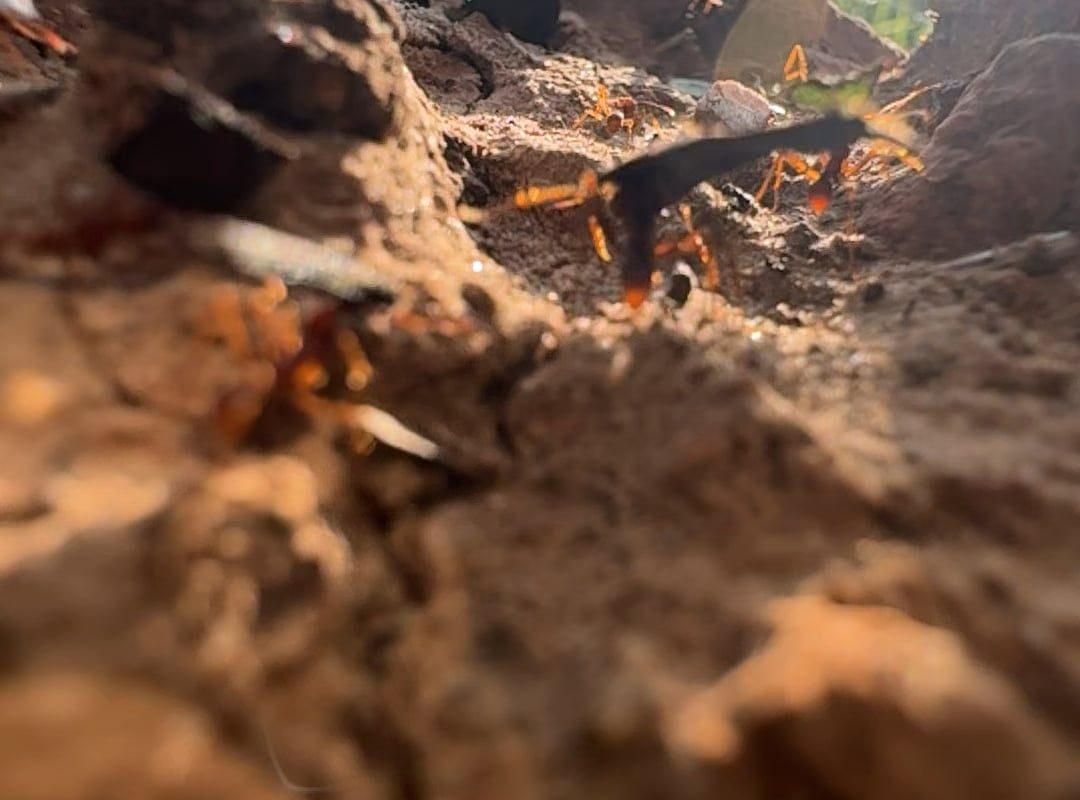
Leaf Cutter ants at my job site in Texas
Title: Dealing With Leafcutter Ants at Your Texas Job Site: A Complete Guide
Meta Description: Discover how to identify, manage, and prevent leafcutter ant infestations at construction or landscaping sites in Texas. Protect your project with expert tips!
Leafcutter ants (Atta or Acromyrmex species) are among nature’s most fascinating engineers—but when they invade your Texas job site, they can quickly turn from fascinating to frustrating. These industrious insects are notorious for stripping vegetation, damaging equipment, and disrupting workflows. If you’ve spotted leafcutter ant activity at your construction zone, ranch, or landscaping project, this guide will help you understand, manage, and prevent infestations while staying compliant with Texas pest control regulations.
What Are Leafcutter Ants and Why Are They at My Job Site?
Native to Texas and the southern U.S., leafcutter ants thrive in warm, humid climates and are often drawn to disturbed soil, fresh vegetation, or construction debris. Recognizable by their reddish-brown bodies and impressive size (up to ½ inch long), these ants carve out massive underground colonies housing millions of workers. They don’t eat leaves directly—instead, they harvest foliage to cultivate underground fungus gardens, their primary food source.
Signs of an Infestation in Texas:
- Perfectly circular cuts in leaves, flowers, or grass.
- Trails of worker ants carrying leaf fragments like tiny green flags.
- Large mounds with funnel-shaped entrances near disturbed soil or vegetation.
- Increased activity after rain (common in Texas’ rainy seasons).
Why Leafcutter Ants Are a Problem for Job Sites
While ecologically important, leafcutters spell trouble for active work zones. Here’s why:
-
Landscape Destruction:
They defoliate plants rapidly, ruining ornamental landscaping, newly planted trees, or site greenery. -
Equipment Risks:
Their subterranean tunnels weaken soil stability, risking sinkholes under heavy machinery or foundations. -
Safety Hazards:
Workers may encounter aggressive swarms if colonies are accidentally disturbed. -
Project Delays:
Replacing vegetation or repairing soil takes time and money—a headache for tight deadlines.
How to Safely Manage Leafcutter Ants in Texas
Texas law regulates pesticide use to protect native species, so avoid over-the-counter sprays. Instead, opt for these targeted strategies:
1. Prevention: Stop Ants Before They Start
- Clear Vegetation: Keep grass mowed and shrubs trimmed away from work zones.
- Remove Debris: Eliminate woodpiles, fallen leaves, or organic waste that attract ants.
- Soil Management: Compact soil in high-traffic areas to deter tunneling.
2. Identification & Early Action
Spotting small trails early is key. Temporarily relocate equipment away from active mounds and flag areas for professional treatment.
3. Eco-Friendly Control Methods
- Bait Stations: Use EPA-approved baits (like spinosad or hydramethylnon) placed along trails. Workers carry poison back to the colony, eliminating the queen.
- Diatomaceous Earth: A non-toxic powder sprinkled around mounds dehydrates ants on contact.
- Professional Extermination: Licensed pest control experts can safely apply targeted treatments compliant with Texas regulations.
Why DIY Solutions Fail (And When to Call a Pro)
Leafcutter ant colonies span hundreds of feet underground. Killing surface workers won’t eradicate the nest—only professional-grade baits reach the fungus gardens and queens. Seek help if:
- Mounds reappear after DIY treatment.
- Ants threaten vulnerable crops or landscaping.
- You’re working near protected Texas habitats (e.g., parks or wetlands).
Long-Term Prevention: Building an Ant-Resistant Site
Protect your Texas job site with these lasting fixes:
- Install gravel or rock barriers between soil and vegetation.
- Use drip irrigation instead of sprinklers (ants avoid dry soil).
- Schedule regular pest inspections during rainy seasons (spring/summer).
Texas Leafcutter Ants: A Balanced Approach
While these ants are pests to job sites, they’re vital to ecosystems—aerating soil and recycling nutrients. Manage them responsibly by combining prevention, professional expertise, and eco-friendly controls.
Need Help Now?
If leafcutter ants are slowing down your Texas project, contact a licensed pest control professional for a site assessment and integrated pest management (IPM) plan. Don’t let ants cut into your timeline—or your budget!
FAQ Section
Q: Are leafcutter ants dangerous to humans?
A: They rarely bite but can deliver a painful pinch if threatened. Their main risk is economic damage.
Q: Do leafcutter ants eat wood like termites?
A: No—they only cut live vegetation to farm fungus.
Q: What plants do Texas leafcutters target most?
A: They prefer broad-leaf plants, roses, citrus trees, and grasses.
Tags:
Leafcutter Ants Texas, Ant Control Construction Site, Texas Pest Management, Landscaping Ant Solutions, Eco-Friendly Ant Removal
Optimize your job site’s defense today—act fast, and keep your project on track! 🐜🚜