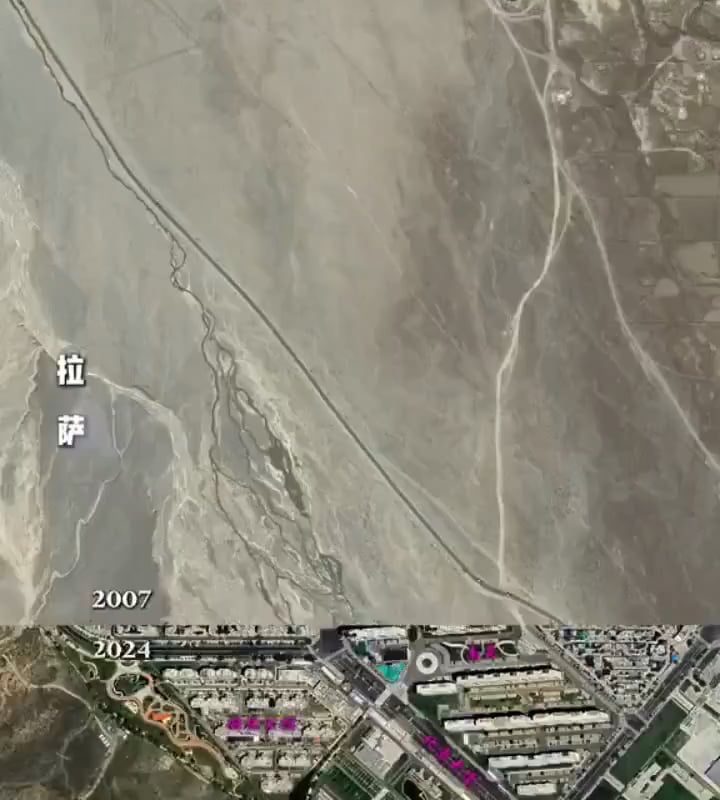
Lhasa, Tibet 2007 vs 2024
Title: Lhasa, Tibet 2007 vs 2024: Evolution of Tradition and Modernization
Meta Description: Discover how Lhasa, Tibet’s spiritual heartland, has transformed between 2007 and 2024. Explore changes in infrastructure, tourism, culture, and daily life in this captivating comparison.
Introduction
Lhasa, the capital of Tibet Autonomous Region, is a city where ancient spirituality meets rapid modernization. Between 2007 and 2024, Lhasa underwent profound transformations, balancing its sacred heritage with the demands of the 21st century. This article delves into the contrasts and continuities in Lhasa’s urban landscape, culture, tourism, and economy over these pivotal years.
1. Urban Infrastructure & Development
Lhasa 2007
In 2007, Lhasa was a compact city with a distinct Tibetan character. Infrastructure was basic:
- Roads: Narrow, winding streets dominated the old town, while the wider Beijing Road and江苏 Road served as arterial routes.
- Buildings: Traditional Tibetan architecture (whitewashed walls, wood-framed windows) prevailed. High-rises were rare.
- Public Transport: Shared minibuses and taxis were primary options; no ride-hailing apps existed.
Lhasa 2024
By 2024, Lhasa expanded dramatically, blending modernity with tradition:
- Roads & Connectivity: New highways, tunnels, and the Lhasa-Nyingchi Railway (opened 2021) improved accessibility. The city now has well-paved roads and traffic lights.
- Architecture: Glass-fronted malls and high-rise apartments coexist with preserved heritage zones. Strict building codes mandate Tibetan-style facades in central areas.
- Transport: Electric buses, Didi (ride-hailing), and bike-sharing systems ease commuting.
Keyword Tip: Lhasa modern infrastructure, Tibet tourism development
2. Tourism & Accessibility
2007: Restricted Gateway
- Permits & Regulations: Foreign tourists needed Tibet Travel Permits and guided tours, limiting independent travel.
- Attractions: The Potala Palace, Jokhang Temple, and Barkhor Street were iconic but often overcrowded in peak seasons.
- Amenities: Guesthouses and basic hotels catered to backpackers; luxury options were scarce.
2024: Boom of Controlled Tourism
- Eased Access: While permits remain mandatory, online applications streamline the process. High-speed rail links boost domestic tourism.
- New Attractions: Upgraded museums (e.g., Tibet Museum), themed cultural parks, and eco-tours to Namtso Lake attract diverse visitors.
- Lodging: International hotel chains (Shangri-La, St. Regis) offer luxury stays alongside boutique Tibetan guesthouses.
Keyword Tip: Lhasa travel permits 2024, Potala Palace tours
3. Cultural Preservation vs. Modernization
2007: Fears of Cultural Erosion
Critics worried globalization and Han migration would dilute Tibetan identity. Street vendors in Barkhor sold handmade crafts; monastic debates at Sera Monastery were intimate.
2024: State-Sponsored Heritage
- Revival Efforts: The government funds heritage restoration (e.g., Drepung Monastery repairs). Tibetan language schools and festivals like Losar (New Year) are promoted.
- Commercialization: Barkhor Street now blends prayer wheels with trendy cafés and souvenir shops. While some lament commercialization, youth embrace hybrid identities.
- Digital Culture: Social media (Douyin, WeChat) amplifies Tibetan music and art, creating new avenues for cultural expression.
Keyword Tip: Tibetan culture preservation, Lhasa traditional festivals
4. Economy & Daily Life
2007: Subsistence and Scarcity
- Livelihoods: Many relied on farming, small trade, or monastic work. Internet access was limited; smartphones were rare.
- Goods & Services: Markets sold local staples (tsampa, yak butter); imported goods were expensive.
2024: Connectivity and Consumerism
- Employment: Tourism, tech, and logistics drive jobs. Young Tibetans work in e-commerce or hospitality while maintaining ties to tradition.
- Convenience: Supermarkets stock global brands, delivery apps bring groceries to doorsteps, and 5G networks enable remote work.
- Challenges: Rising costs of living and gentrification strain low-income families.
Keyword Tip: Lhasa economy growth, Tibet lifestyle changes
5. Environmental Initiatives
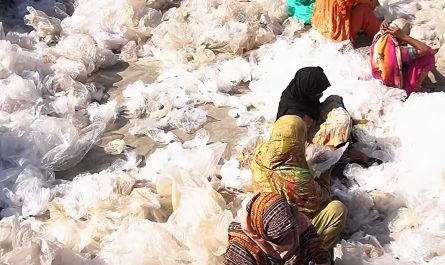
- 2007: Limited waste management; plastic litter near holy sites was common.
- 2024: Solar-powered streetlights, electric vehicles, and strict plastic bans reflect Tibet’s “eco-civilization” goals.
Conclusion: A City in Balance
Lhasa in 2024 is neither the isolated shrine of 2007 nor a generic modern metropolis. It embodies a delicate dance—preserving its soul as the “City of Sunshine” while embracing progress. For travelers, this evolution offers richer experiences: deeper cultural insights, smoother logistics, and a glimpse of Tibet’s resilient spirit.
Final Keyword: Lhasa travel guide 2024, Tibet then and now
Image Alt Text Suggestions:
- Potala Palace 2007 vs 2024 skyline comparison
- Traditional vs modern architecture in Lhasa
- Barkhor Street market evolution
Optimize your journey to Tibet by understanding its past and present. Whether you seek spirituality or adventure, Lhasa’s duality promises an unforgettable encounter.