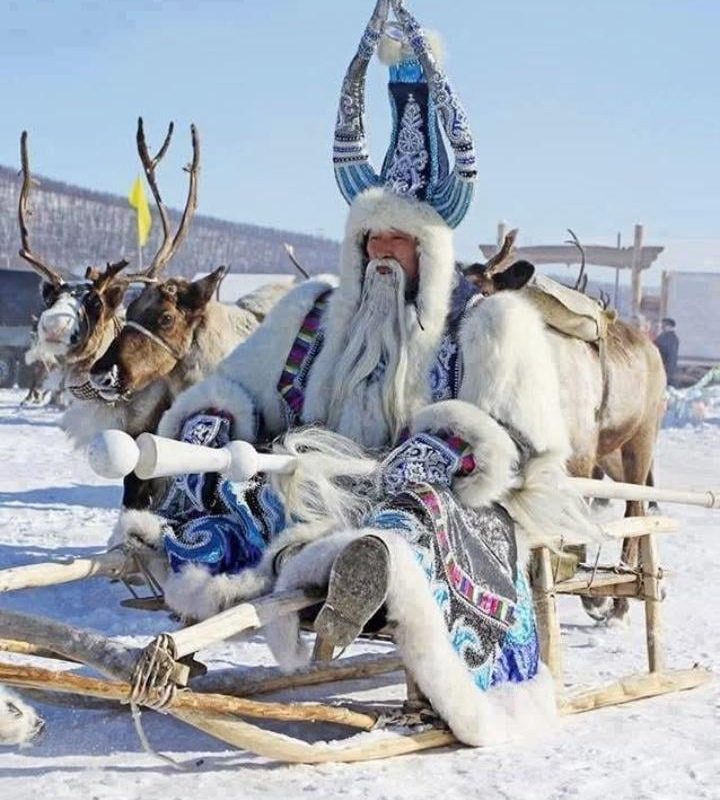
Long before Christmas, Turkic peoples marked the winter solstice around December 22nd by celebrating the rebirth of the sun, decorating evergreen trees, and venerating a white-haired elder, possibly Ayaz Ata.
Unearthing the Ancient Yuletide: How Turkic Winter Solstice Traditions Shaped Christmas Symbols
Long before stockings were hung by the chimney with care, Central Asian steppes echoed with celebrations that bear striking resemblance to modern Christmas customs. For centuries before Christianity’s spread, Turkic peoples marked the December solstice (around December 22nd) with rituals honoring nature’s cycles – traditions that may hold unexpected keys to beloved holiday symbols, from evergreen trees to red-cloaked gift-bearers.
The Longest Night’s Rebirth: Solstice as Cosmic Renewal
For nomadic Turkic tribes across Siberia, Anatolia, and Central Asia, the winter solstice (known as *Nardugan** among some groups) represented nature’s ultimate triumph. Between December 21-25, they celebrated:
- The “Sun’s Rebirth”: As daylight began increasing, bonfires blazed to symbolize warmth’s return.
- 12-Day Revelries: Mirroring later Christian “Twelve Days of Christmas,” communal feasts honored the 12 months of the year.
- Nature Worship: Rituals thanked Tengri (the sky god) and Umay (earth goddess) for sustaining life through winter.
“Nardugan comes from ‘nar’ (sun) and ‘tugan’ (born) – literally ‘The Sun is Born.’ This was our New Year, celebrated with decorated trees and ancestral visits.” – Altai Turkic oral tradition
Evergreen Trees: A Pre-Christian Symbol of Eternal Life
Centuries before German Christmas markets popularized the Tannenbaum, Turkic shamans:
- Decorated Pine Trees: Symbols of immortality, adorned with red ribbons (representing the sun’s power), handmade stars, and food offerings.
- “Wishing Trees”: People tied cloth strips to branches, each holding a new year’s wish.
- Tree-Topper Stars: A six- or eight-pointed star (shaman’s star) symbolized cosmic harmony, foreshadowing the Bethlehem star.
| Symbol | Turkic Meaning | Modern Christmas Parallel |
|---|---|---|
| Evergreen Tree | Eternal life under Tengri | Christmas tree |
| Red Ribbons | Vitality of sun/fire | Red ornaments & tinsel |
| Tree Star | Shamanic cosmos map | Tree-topper star |
Ayaz Ata: The Frost-Bearded Prototype of Santa Claus?
From the frozen steppes emerged Ayaz Ata (“Frost Father”), a pivotal figure who may have influenced later gift-givers:
- Appearance: White beard, long blue or red coat trimmed with fur, boots – startlingly similar to Santa.
- Role: Delivered winter gifts to children, especially the needy. His companion Kar Kız (Snow Maiden) helped distribute them.
- Origin: Some scholars link him to Türkic god AAY, others to historical shamans who gave provisions during harsh winters.
Fascinatingly, when Turkic groups like the Chuvash and Tatars converted to Christianity, Ayaz Ata traditions merged with Saint Nicholas narratives traded along the Silk Road. Even Russia’s Ded Moroz (Grandfather Frost) shows clear Turkic influences.
Legacy in Modern Celebrations: Hidden Cultural Threads
This living heritage persists across Eurasia:
- Kazakhstan’s Şeksheke: Children don costumes, singing door-to-door – akin to caroling.
- Azerbaijan’s Novruz: Although a spring holiday, it preserves solstice-related evergreens and feast rituals.
- Turkish Nardugan Revival: Urban Turks increasingly reclaim pre-Islamic solstice traditions, adorning pine saplings.
While direct lineage is debated, parallels between ancient Turkic rituals and Christmas are undeniable. As historian Dr. Aytan Aliyeva notes:
“When you trace Central Asia’s solstice customs westward through Mongol invasions, Ottoman trade routes, and Slavic folklore, you see a cultural blueprint for what would later become Christmas symbols.”
Conclusion: A Tapestry of Light in the Darkest Night
Beyond Christianity’s profound influence on Christmas lies a deeper human impulse: celebrating light’s return during winter’s depths. The Turkic peoples’ solstice rites – with their cosmic rebirth narratives, evergreen symbolism, and benevolent gift-givers – remind us that Yuletide’s magic transcends any single faith. This winter, as you admire your tree or await a red-cloaked visitor, remember the nomadic shamans who first kindled these traditions under the frozen stars.
Could Ayaz Ata be Santa’s earliest ancestor? The clues are etched in ice and evergreen. 🌲❄️