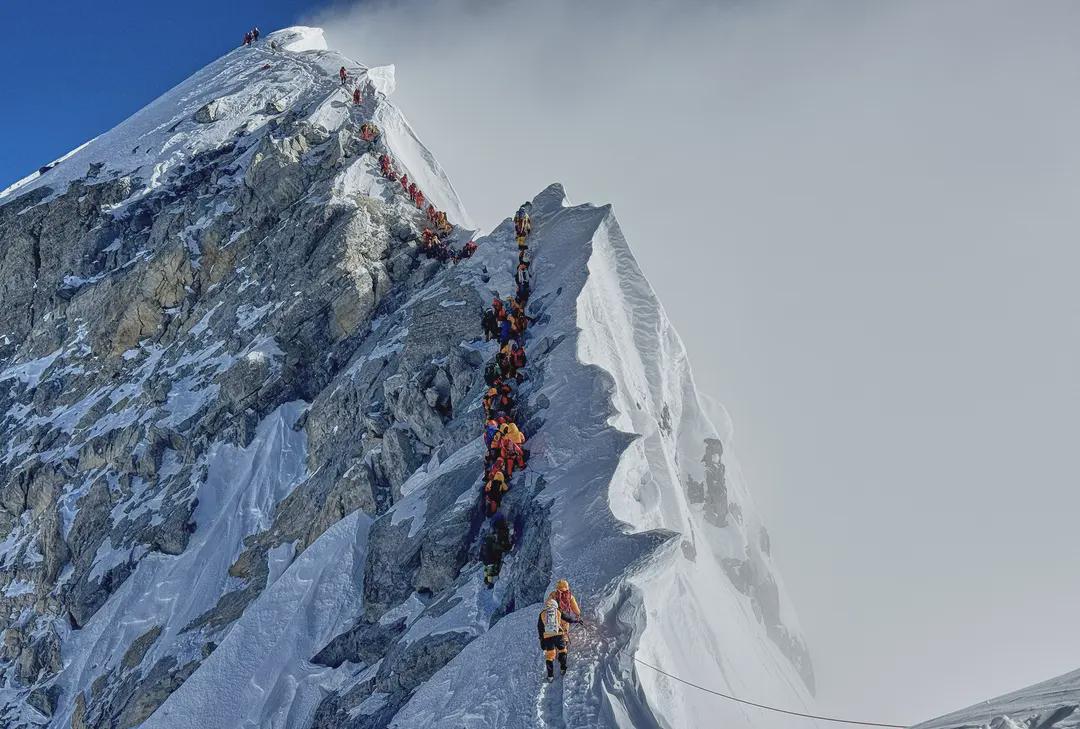
Long queue on Everest for the summit push
Title: The Deadly Traffic Jam: Understanding Mount Everest’s Summit Queue Crisis
Meta Description: Discover the causes, risks, and implications of the infamous “Everest summit queues” that trap climbers in deadly bottlenecks during peak season.
The Iconic Summit Push Turns Treacherous
Every spring, Mount Everest’s slopes transform into a high-stakes arena as hundreds of climbers race to reach the world’s highest peak during a narrow weather window. Yet in recent years, this quest has been marred by harrowing images of climbers stuck in hours-long queues near the summit, fighting brutal cold, dwindling oxygen, and life-threatening delays. The 2019 season—when 11 climbers died in part due to overcrowding—exposed a grim reality: Everest’s “traffic jams” aren’t just inconvenient; they’re deadly.
So, why do these queues form, and what does it mean for the future of Everest expeditions?
Why Everest’s Summit Queues Happen: The Perfect Storm
1. Tiny Weather Windows
Summit attempts can only occur during brief periods of calm weather, typically in mid-to-late May. Even a 48-hour “window” attracts massive crowds, funneling all teams simultaneously onto the same route—especially the Hillary Step (Nepal side) and other single-file chokepoints.
2. Commercial Climbing Boom
Permits issued by Nepal have surged, hitting 478 in 2023—a 50% increase from a decade ago. Guiding companies advertise Everest as an “achievable” goal, attracting less-experienced climbers who move slower, creating bottlenecks.
3. Logistical Bottlenecks
Fixed ropes must be installed on key sections before climbers ascend, causing delays. Sherpas often race ahead to set ropes, but if bad weather stalls this process, climbers pile up.
4. The “Instagram Effect”
Virality fuels demand. Climbers dream of snapping a summit selfie, while operators cash in—even if safety protocols suffer.
Consequences: More Than Just a Wait
◼️ Fatal Delays
At 8,849 meters (29,032 ft), the “Death Zone” starves the body of oxygen. Delays here mean:
- Hypothermia: Temperatures dip below -30°C (-22°F).
- Oxygen depletion: Tanks run dry as climbers wait hours.
- Exhaustion: Climbers collapse on descent after extreme fatigue.
2019’s deadly season highlighted this: climbers reported waiting 2–3 hours at bottlenecks, exacerbating exposure risks.
◼️ Environmental Impact
Overcrowding worsens Everest’s waste crisis. Discarded oxygen tanks, human waste, and gear litter the route, polluting glaciers and water sources downstream.
◼️ Moral Dilemmas
Stories of climbers stepping over dying peers to summit sparked outrage. Guides face impossible choices: prioritize clients or aid others?
Solutions: Can Everest Be Saved?
✅ Stricter Permit Limits
Nepal’s government faces pressure to cap permits or raise fees ($11,000 per climber currently). Critics argue profits shouldn’t outweigh lives.
✅ Tiered Experience Requirements
Mandating proof of high-altitude experience (e.g., summiting another 8,000-meter peak) could filter unprepared climbers.
✅ Improved Traffic Management
- Staggered summits: Assign time slots to teams.
- Additional ropes: Installing parallel lines at bottlenecks like the Hillary Step.
- Sherpa-led coordination: Better communication between expedition leaders.
✅ Ethical Responsibility
Climbers must ask: Is the summit worth my life—or another’s? Operators must prioritize safety over summit success rates.
The Bigger Picture: Everest’s Future
Mount Everest remains a symbol of human ambition, but its overcrowding crisis reflects a broader tension between adventure tourism and sustainability. As climate change melts glaciers and exposes more bodies, the mountain’s risks grow starker.
While Nepal announced plans for RFID tracking chips and waste deposits in 2024, enforcement remains uncertain. Ultimately, meaningful change requires cooperation—from governments, guides, and climbers themselves.
Final Thoughts
The summit queue on Everest isn’t just a logistical issue; it’s a life-or-death gamble. For the mountain to endure, the climbing community must redefine success—not by the summit photo, but by returning alive.
“Everest will always test us,” says veteran guide Adrian Ballinger. “But we need to decide if testing limits is worth losing lives.”
Target Keywords:
- Everest summit queue
- overcrowding on Everest
- Mount Everest traffic jam
- dangers of climbing Everest
- Everest climbing permits
Internal Links (if applicable):
- How Climate Change Is Reshaping Everest
- Ethical Everest Guide Companies
- Sherpas: The Unsung Heroes of Everest
By addressing risks, solutions, and ethical questions, this article aims to rank for climbers, adventurers, and conscious travelers seeking deeper insights into Everest’s evolving challenges.