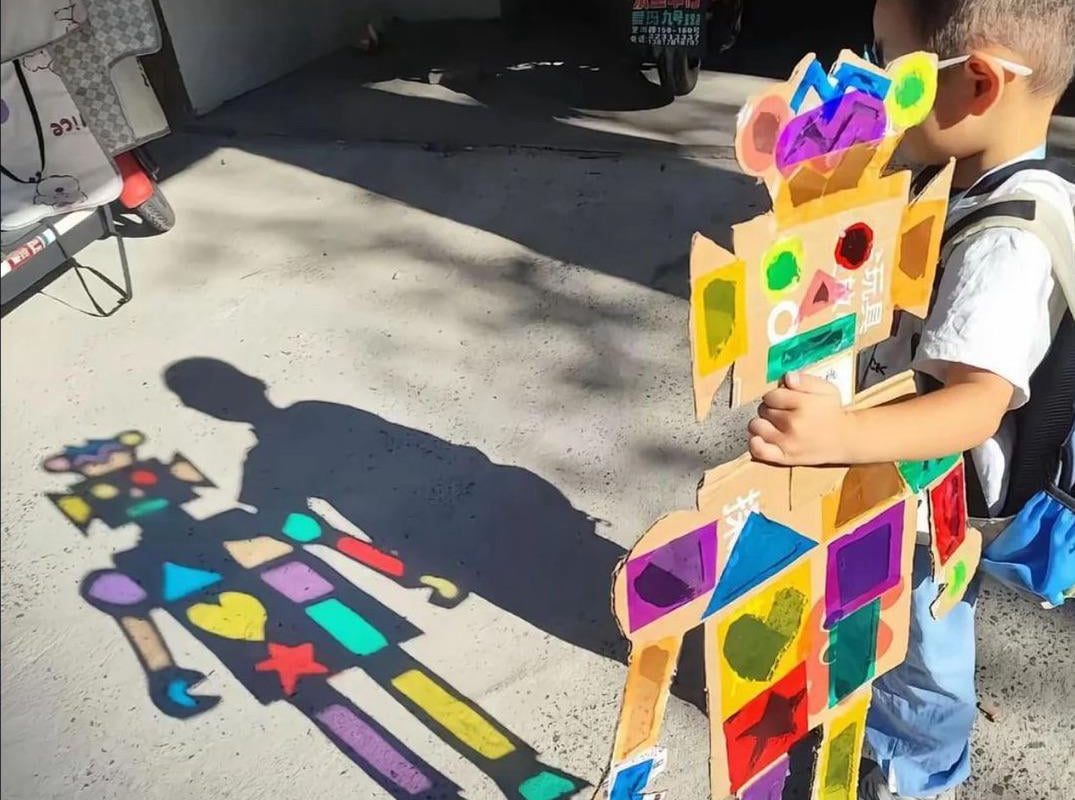
Look at those dang colored shadows!!
Title: Look at Those Dang Colored Shadows! The Science Behind Magical Light Tricks
Meta Description: Ever notice vibrant colored shadows under certain lights? Discover the fascinating science behind these eye-catching optical illusions and how to recreate them at home!
Introduction: What’s Up with Those Colored Shadows?!
You’re chilling in a room lit by Christmas lights or maybe standing under a neon sign when—bam!—you spot it: a shadow that isn’t black or gray, but bright blue, magenta, or even lime green. “What sorcery is this?” you wonder. Don’t panic—you’re not hallucinating! Those “dang colored shadows” are a real (and super cool) phenomenon rooted in physics, color theory, and the magic of light. Let’s unravel this visual wizardry!
Why Are Some Shadows Colored? Spoiler: It’s All About Light Mixing
Shadows form when an object blocks light from reaching a surface. Normally, shadows appear gray or black because they’re just the absence of light. But colored shadows happen when multiple colored light sources overlap, creating an interplay of hues. Here’s how it works:
-
Additive Color Mixing:
Unlike mixing paints (which subtracts light), colored lights add wavelengths together. The primary colors of light are red, green, and blue (RGB). When these overlap in different combinations, they create secondary colors:- 🔴 Red + 🔵 Blue = Magenta
- 🔵 Blue + 🟢 Green = Cyan
- 🔴 Red + 🟢 Green = Yellow
-
The Shadow Trick:
If you shine two colored lights (like red and blue) at an object, each light creates its own shadow. But in the overlapping areas where both lights are blocked, the shadow appears black. Meanwhile, the edges or partial shadows where one light is blocked might pick up the hue of the other light. Result? Shadows that glow in unexpected colors!
How to Create Colored Shadows at Home (DIY Experiment!)
Ready to become a shadow sorcerer? You’ll need:
- Two colored light sources: LED flashlights, phone lights with colored gels/cling film, or smart bulbs.
- White wall or surface: For maximum contrast.
- An object: Your hand, a vase, or a figurine.
Steps:
- Place lights at different angles (e.g., left and right of your object).
- Turn off ambient lights to amplify the effect.
- Observe the shadows—experiment by moving the lights closer/farther or adding a third color!
Pro Tip: Try using complementary colors (like red and cyan) for surreal shadows that pop!
Where You’ve Probably Seen Colored Shadows
- Sunset/Sunrise: Earth’s atmosphere scatters blue light, leaving warm hues that can cast colored shadows on bright surfaces.
- Stage Lighting: Concerts and theaters use gels to create dramatic colored shadows.
- Art Installations: James Turrell’s light artworks often play with perception, including chromatic shadows.
Why This Matters: More Than Just a Cool Party Trick
Colored shadows aren’t just Instagram-worthy—they teach us about human vision, color psychology, and light physics. Artists and photographers use them to evoke mood, while scientists study them to understand how our brains process color and depth.
FAQs About Colored Shadows
Q: Can colored shadows appear in sunlight?
A: Rarely—sunlight is “white,” so shadows stay gray. But during twilight or near reflective surfaces (like snow or water), colored tints may emerge.
Q: Do animals see colored shadows?
A: Maybe! Some species with color vision (like birds) might perceive them, but research is ongoing.
Q: How many colors can shadows have?
A: With multiple light sources, shadows can shift hues infinitely based on light combinations.
Conclusion: Embrace the Wonder!
Next time someone shouts, “Look at those dang colored shadows!!”, you’ll know it’s not a glitch in the Matrix—it’s science showing off. From DIY experiments to mind-bending artworks, colored shadows remind us that the world is full of hidden marvels waiting to be noticed. So grab some lights, cast a shadow, and let the color games begin!
SEO Keywords: colored shadows, additive color mixing, color theory, light experiments, RGB lights, DIY science, optical illusions, physics of light, chromatic shadows, color perception.
P.S. Share your colored shadow experiments with #DangColoredShadows—we’d love to see your creations! 🌈✨