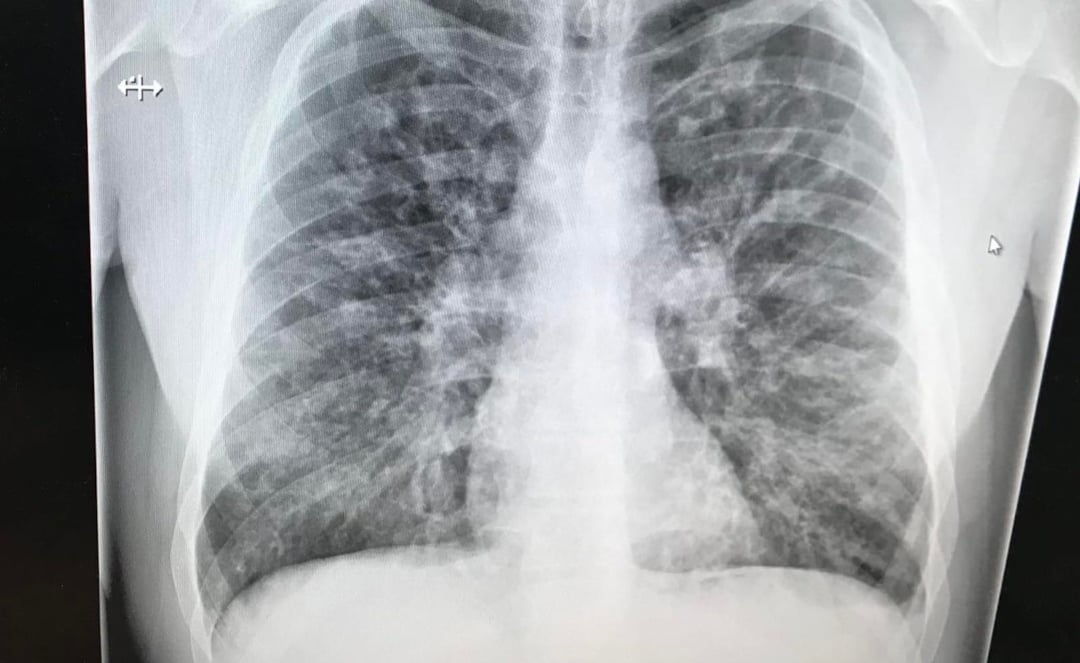
Lungs of 33yo with Cystic Fibrosis, then days after a double lung transplant.
Meta Description: Discover the transformative journey of a 33-year-old with cystic fibrosis undergoing a double lung transplant. Learn about the procedure, recovery challenges, and new beginnings.
Journey from Cystic Fibrosis to New Breath: The First Days After a Double Lung Transplant
Cystic fibrosis (CF) is a relentless genetic disorder that progressively damages the lungs, often necessitating life-saving interventions like double lung transplants. For a 33-year-old with advanced CF, this procedure represents not just medical hope but a rebirth. Here’s an in-depth look at what happens to the lungs before, during, and in the critical days following transplantation.
The Lungs Before Transplant: CF’s Devastating Impact
Cystic fibrosis causes thick, sticky mucus to clog airways, leading to chronic infections, inflammation, and irreversible lung damage. By age 33, many CF patients experience end-stage lung disease characterized by:
- Severe airflow obstruction: Mucus blocks oxygen exchange.
- Recurrent infections: Pseudomonas aeruginosa or Staphylococcus aureus accelerate scarring (fibrosis).
- Respiratory failure: Even simple tasks like walking become impossible without oxygen support.
Case in point: A 33-year-old CF patient may rely on 24/7 supplemental oxygen, frequent hospitalizations, and aggressive therapies like chest PT or inhaled antibiotics—yet still face declining lung function.
Why a Double Lung Transplant?
When CF lungs operate at <30% capacity and other treatments fail, a transplant becomes the only option. Unlike single-lung transplants, double lung transplants are preferred for CF patients to:
- Eliminate all infected tissue.
- Reduce post-op complications from residual diseased lungs.
- Improve long-term survival rates (55–75% at 5 years post-transplant).
The Transplant Process: From Waiting List to Surgery
Pre-Transplant Evaluation
Patients undergo rigorous assessments to qualify for the transplant list, including:
- Lung function tests: Spirometry, 6-minute walk test.
- Psychological screening: Ensuring mental readiness for lifelong post-transplant care.
- Infection management: Controlling bacteria like Burkholderia cepacia, which can disqualify candidates.
The Surgery
The 6–12 hour procedure involves:
- Removing both diseased lungs while on cardiopulmonary bypass.
- Implanting donor lungs and connecting airways/blood vessels.
- Immediate immunosuppression to prevent rejection.
The First Days After Transplant: A Fragile Victory
Post-surgery, the patient enters an intensive care unit (ICU) for close monitoring. Key milestones and challenges include:
Day 1–3: Stabilization
- Mechanical ventilation: Temporary breathing support while new lungs adjust.
- Pain management: IV opioids for sternotomy and chest tube discomfort.
- Immunosuppressants: High-dose drugs like tacrolimus to prevent acute rejection.
Day 4–7: Early Wins and Risks
Progress
- First unaided breaths: Patients report a “cool, crisp” sensation as new lungs oxygenate blood efficiently.
- Physical therapy: Gentle mobilization to prevent clots and build strength.
Complications to Monitor
- Primary graft dysfunction (PGD): Inflammation in donor lungs (occurs in ~25% of cases).
- Rejection signs: Fever, shortness of breath, or abnormal chest X-rays.
- Infections: High risk due to immunosuppression (e.g., CMV, bacterial pneumonia).
The Emotional Shift
Many patients describe profound relief and anxiety:
“Breathing without coughing felt surreal, but I panicked about rejection. Your new lungs are a gift, but the fear isn’t gone.”
— Sarah, CF double-lung recipient (age 31)
Life Beyond the ICU: The Road Ahead
While the first week focuses on survival, recovery is a marathon:
- Lifelong medications: Anti-rejection drugs increase infection/diabetes risks.
- Rehab: 3–6 months of pulmonary therapy to regain stamina.
- Vigilance: Monthly bronchoscopies/biopsies to detect rejection early.
Conclusion: A Second Chance at Breath
A double lung transplant transforms life for a 33-year-old with cystic fibrosis—offering freedom from oxygen tanks and the promise of years regained. Yet the journey demands resilience. With advances in donor matching and post-transplant care, outcomes continue improving, turning once-unthinkable survival into reality.
If you or a loved one face CF or transplant decisions, consult organizations like the Cystic Fibrosis Foundation or United Network for Organ Sharing (UNOS).
Target Keywords: Cystic fibrosis lung transplant, double lung transplant recovery, life after lung transplant, end-stage cystic fibrosis, lung transplant for CF adults.