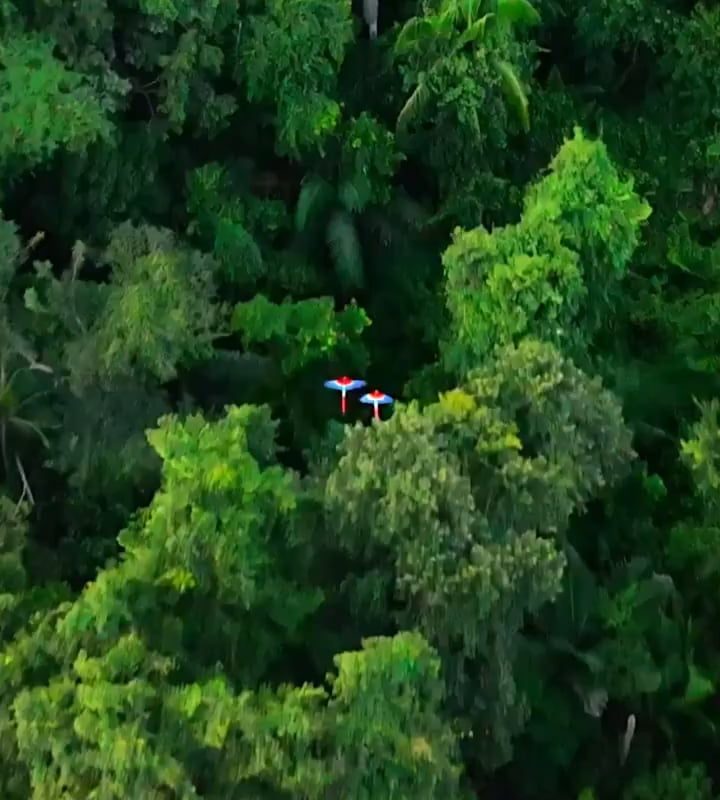
Macaws in flight over the Amazon rain forest.
Title: Macaws in Flight: A Vibrant Aerial Dance Over the Amazon Rainforest
Meta Description: Discover the mesmerizing sight of macaws soaring over the Amazon rainforest. Learn about their behavior, conservation status, and the best places to witness these winged jewels in the wild.
Macaws in Flight: A Living Rainbow Above the Amazon
The Amazon rainforest, Earth’s largest tropical wilderness, is home to some of the planet’s most iconic wildlife—none more breathtaking than the macaw. These brilliantly colored parrots transform the sky into a living masterpiece as they soar, screech, and glide above the emerald canopy in vast, kaleidoscopic flocks. Witnessing macaws in flight is not just a visual spectacle—it’s a testament to the Amazon’s fragile biodiversity and the urgent need to protect it.
Why Macaws Take Flight: The Science Behind the Beauty
Macaws are highly social and intelligent birds that rely on flight for survival. Their daily journeys—often spanning dozens of miles—serve critical purposes:
- Foraging: They travel in search of nutrient-rich palm nuts, fruits, and clay licks (“collpas”).
- Social Bonding: Flights reinforce flock cohesion, helping macaws communicate and navigate threats.
- Migration: Some species traverse regions seasonally to find nesting sites or food.
In flight, macaws reach speeds of up to 35 mph (56 km/h), their long tails acting as rudders for precision maneuvering. It’s an evolutionary marvel perfected over millennia.
The Macaws of the Amazon: Species Spotlight
At least 17 macaw species inhabit the Amazon Basin, including these iconic fliers:
- Scarlet Macaw (Ara macao): Fire-red plumage with blue and yellow wings, often seen in pairs.
- Blue-and-Yellow Macaw (Ara ararauna): Striking azure wings contrasted with a golden underside.
- Red-and-Green Macaw (Ara chloropterus): Larger and deeper red, with green wing highlights.
- Hyacinth Macaw (Anodorhynchus hyacinthinus): The world’s largest flying parrot, cobalt-blue and endangered.
These birds often mix in “mixed-species flocks,” creating dazzling aerial mosaics—a survival tactic to confuse predators like hawks and eagles.
Where to Witness Macaws in Flight
While macaws inhabit much of the Amazon, these hotspots offer unforgettable sightings:
- Tambopata National Reserve (Peru): Home to legendary clay licks where thousands gather at dawn.
- Madidi National Park (Bolivia): Remote and biodiverse, perfect for spotting rare macaws.
- The Brazilian Pantanal: Though not Amazonian, this wetland hosts massive Hyacinth Macaw flocks.
Best Time to Visit: Dry season (June–November) when food is abundant and skies are clearer.
Threats to the Amazons’ Flying Jewels
Despite their splendor, macaws face mounting dangers:
- Deforestation: Logging and agriculture destroy nesting trees (e.g., Dipteryx palms).
- Illegal Wildlife Trade: Poachers steal chicks for the exotic pet market.
- Climate Change: Alters food cycles and habitat ranges.
Conservation Wins:
- Reforestation Projects: Organizations like the World Parrot Trust plant macaw-friendly trees.
- Community-Based Tourism: Eco-lodges fund protection efforts while offering ethical sightings.
The Ecological Impact of Macaws
Macaws play a vital role in rainforest health:
- Seed Dispersers: Their diet helps regenerate forests; seeds pass through their digestive systems intact.
- Indicator Species: Declining macaw populations signal broader ecosystem collapse.
For Indigenous tribes like the Kayapo and Ashaninka, macaws hold deep cultural significance—embodying the forest’s spirit and wisdom.
How to Support Macaw Conservation
- Choose Responsible Tours: Opt for lodges certified by Rainforest Alliance or Ecotourism Brazil.
- Avoid Supporting the Pet Trade: Never buy wild-caught birds.
- Donate: Support NGOs like the Amazon Conservation Association or Macaw Recovery Network.
Conclusion: A Sky Worth Saving
Macaws in flight embody the Amazon’s magic—fierce, free, and irreplaceable. By protecting these parrots, we safeguard not just a species but an entire ecosystem. Whether you’re a traveler, birder, or eco-advocate, their survival depends on humanity’s willingness to act.
Call to Action: Share this article to raise awareness or plan an eco-conscious trip to witness macaws in their natural realm. The sky’s brilliance depends on it.
Keywords for SEO:
Macaws flying, Amazon rainforest birds, Scarlet Macaw, Blue-and-Yellow Macaw, parrot conservation, Amazon wildlife, birdwatching Amazon, tropical bird flight, endangered macaws, Tambopata clay licks.
Image Suggestion (for implementation):
A vibrant photo of macaws soaring over the Amazon canopy, showcasing their vivid colors and flock behavior.
Internal Links (if applicable):
- [Best Amazon Rainforest Lodges for Birding]
- [How Deforestation Impacts Amazon Wildlife]
External Resources: