Maintaining mosquito colonies in mosquito labs
Title: The Science of Sustaining Life: A Comprehensive Guide to Maintaining Mosquito Colonies in Laboratories
In the battle against mosquito-borne diseases like malaria, dengue, Zika, and West Nile virus, research laboratories play a pivotal role. At the heart of this research lies a surprisingly delicate process: maintaining healthy, genetically consistent mosquito colonies. These colonies are essential for studying mosquito behavior, genetics, pathogen transmission, and testing new control methods. This guide explores the meticulous science behind raising mosquitoes in controlled laboratory environments.
Why Maintain Mosquito Colonies?
Mosquitoes are living vectors of deadly pathogens, making them critical subjects for scientific investigation. Laboratory colonies allow researchers to:
- Study mosquito biology, life cycles, and reproduction.
- Test the efficacy of insecticides, repellents, and genetic modification techniques.
- Investigate host-pathogen interactions to develop vaccines or treatments.
- Train future entomologists in vector biology techniques.
Without stable colonies, experiments risk inconsistency, unreliable data, and delays in critical discoveries.
Key Components of a Mosquito Lab
Successful colony maintenance relies on replicating the mosquitoes’ natural habitat while preventing escapes and contamination:
-
Controlled Environmental Chambers
Mosquitoes thrive in species-specific conditions:- Temperature: 25–28°C (77–82°F) for most tropical species.
- Humidity: 70–80% relative humidity to prevent desiccation.
- Light Cycles: 12:12 light-dark cycles mimic natural circadian rhythms, crucial for mating and feeding.
-
Secure Housing
- Larvae Rearing Trays: Shallow containers with dechlorinated water and nutrient-rich larval food (e.g., crushed fish flakes or yeast).
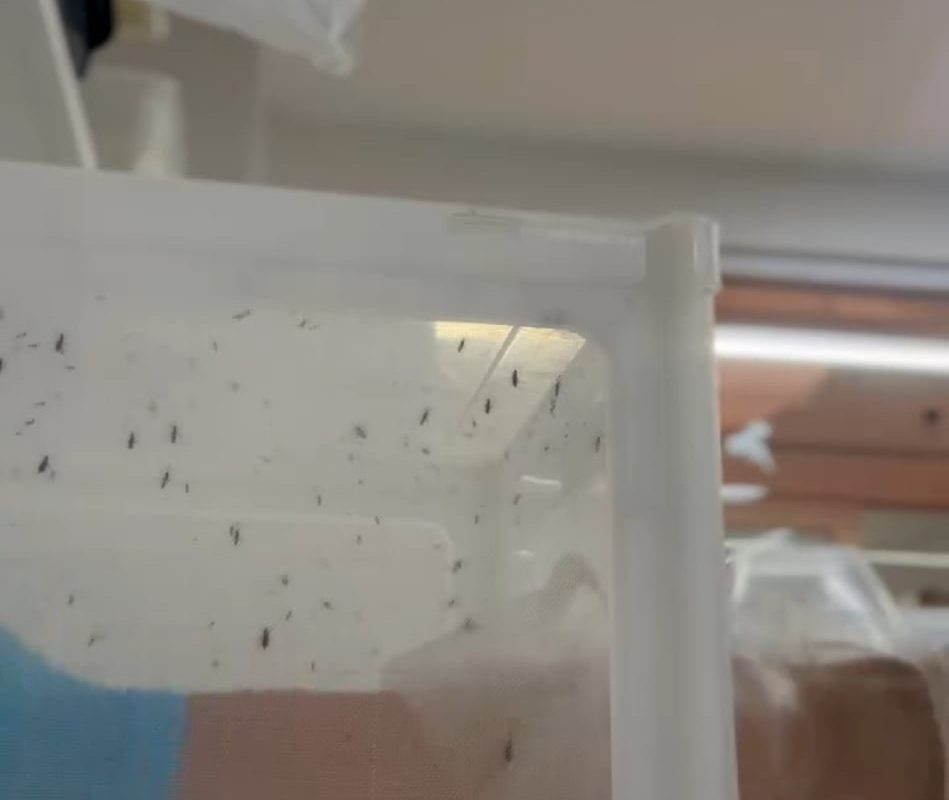
- Adult Mosquito Cages: Fine-mesh enclosures with access ports for feeding and handling. Double-door systems prevent escapes.
- Quarantine Protocols: New colonies or wild-caught specimens are isolated to prevent pathogen introduction.
The Lifecycle: From Egg to Adult
Laboratory mosquitoes undergo four stages, each requiring specialized care:
-
Egg Stage
- Females lay eggs on moist substrates or directly on water surfaces (species-dependent).
- Eggs are collected, dried, and stored in humid conditions until hatching.
-
Larval Stage
- Larvae feed on microbial biofilm and finely ground nutrients. Overcrowding stunts growth, so density is closely monitored.
- Water quality is critical; stagnant water is replaced regularly to prevent fungal/bacterial blooms.
-
Pupal Stage
- Pupae are transferred to emergence cages. This stage requires minimal intervention but careful timing for adult collection.
-
Adult Stage
- Adults are fed blood meals (often via artificial membranes or live hosts like chickens) to stimulate egg production.
- Sugar solutions (e.g., 10% sucrose) provide daily energy.
- Mating behavior is encouraged through optimal light cycles and space.
Feeding Protocols: The Art of the Blood Meal
Blood-feeding is essential for colony fertility but poses logistical and ethical challenges:
- Artificial Feeding Systems: Use heparinized blood (e.g., cow, sheep, or human blood) warmed to 37°C (98.6°F) and delivered through collagen membranes.
- Live Hosts: Ethical guidelines mandate humane treatment. Anesthetized animals may be used under strict oversight.
- Pathogen-Free Blood: Sourced from certified suppliers to avoid introducing diseases into colonies.
Monitoring Health & Genetic Integrity
-
Disease Surveillance
Colonies are routinely screened for pathogens like Wolbachia (a common bacterial symbiont) or unintended viruses. Infected colonies are culled to maintain purity. -
Genetic Drift Prevention
- Outcrossing: Introducing wild mosquitoes periodically refreshes genetic diversity.
- Quality Control: Morphological checks (e.g., wing length) and molecular tools (PCR) ensure strain consistency.
-
Record-Keeping
Detailed logs track hatching rates, survival, fecundity, and environmental parameters to identify trends or issues.
Common Challenges & Solutions
- Contamination: Sterilize equipment, use antifungal agents in water, and enforce strict hygiene protocols.
- Colony Collapse: Overcrowding, nutritional deficits, or temperature fluctuations can wipe out a generation. Redundant backup colonies are essential.
- Mating Failure: Some species (e.g., Aedes aegypti) require specific space or airflow for mating. Swarming stimuli like dim light can help.
- Escapes: Double-door entry systems, negative-pressure cages, and fumigation traps minimize risks.
Best Practices for Long-Term Success
- Standardize Procedures: Follow SOPs for feeding, handling, and monitoring.
- Train Staff Rigorously: Ensure all personnel understand biosafety and species-specific needs.
- Backup Colonies: Maintain duplicate colonies in separate chambers to avoid total loss.
- Collaborate: Share strains with other labs to preserve genetic diversity and resilience.
Conclusion
Maintaining mosquito colonies is a blend of entomology, microbiology, and precision engineering. By replicating natural conditions while enforcing rigorous controls, labs ensure these tiny but vital insects serve as reliable models for groundbreaking research. As mosquito-borne diseases continue to threaten global health, the quiet work of colony maintenance in laboratories remains a cornerstone of scientific progress—one blood meal, one egg raft, and one generation at a time.
Keywords for SEO: Mosquito lab maintenance, mosquito colony rearing, insectary management, vector biology, mosquito breeding protocols, laboratory mosquito care, Aedes aegypti colony, Anopheles gambiae rearing, mosquito research techniques, pathogen-free mosquitoes.