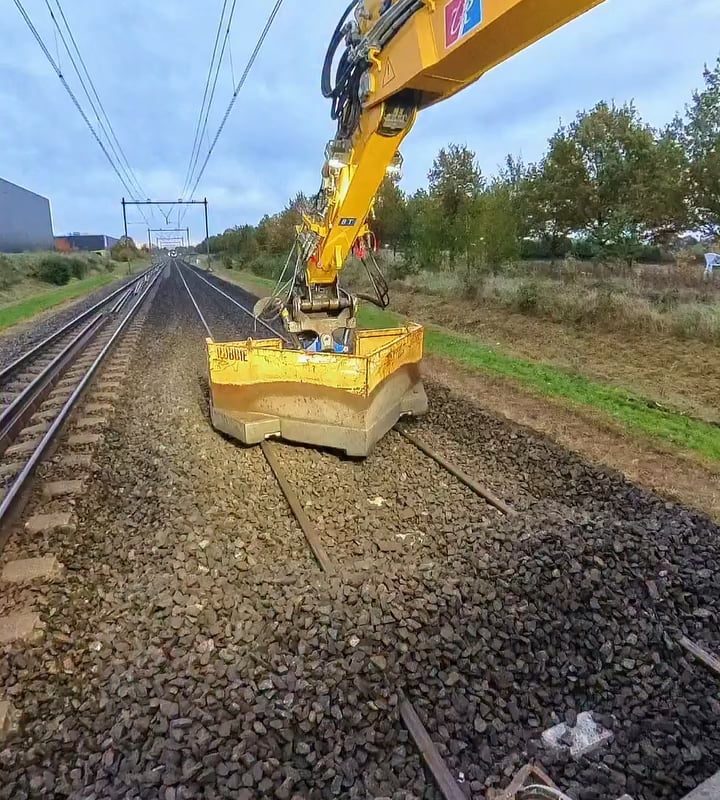
Maintenance work of railway track
The Ultimate Guide to Railway Track Maintenance: Ensuring Safety, Efficiency, and Longevity
Railway tracks are the lifelines of global transportation networks, enabling the safe and efficient movement of passengers and freight. However, like any infrastructure, tracks require rigorous maintenance to prevent failures, reduce downtime, and ensure operational safety. This guide explores the critical aspects of railway track maintenance, covering best practices, modern techniques, and why this work is non-negotiable for rail operators.
Why Is Railway Track Maintenance Important?
Rail tracks face constant stress from heavy loads, weather extremes, and friction, leading to wear, deformation, and structural damage. Neglecting maintenance can result in:
- Safety Hazards: Derailments, accidents, or track buckling in extreme heat.
- Costly Disruptions: Service delays, emergency repairs, and infrastructure replacement.
- Reduced Lifespan: Premature track degradation increases capital expenses.
Regular upkeep minimizes these risks while optimizing performance and minimizing lifecycle costs.
Key Maintenance Activities for Railway Tracks
A comprehensive maintenance program includes both routine inspections and targeted corrective actions.
1. Track Geometry Correction
Tracks must adhere to precise alignment, gauge (distance between rails), and elevation standards. Maintenance teams use:
- Tamping Machines: Lift and compact ballast to correct track alignment.
- Dynamic Stabilizers: Restore track strength after tamping.
- Laser-Guided Systems: Ensure geometry accuracy within millimeters.
2. Ballast Maintenance
Ballast (crushed rock beneath tracks) supports load distribution and drainage. Key tasks:
- Ballast Cleaning: Remove fouled materials (dirt, debris) to restore drainage.
- Regulation: Add fresh ballast to maintain proper depth and shoulder width.
- Undercutting: Replace heavily contaminated ballast layers.
3. Rail Inspection & Replacement
Rails endure fatigue, cracks, and wear from rolling contact. Technicians use:
- Ultrasonic Testing: Detect internal flaws invisible to the naked eye.
- Eddy Current Sensors: Identify surface defects like head checks or squats.
- Grinding: Smooth rail surfaces to remove corrugation and extend lifespan.
Worn rails are replaced via rail renewal trains to minimize disruption.
4. Joint & Fastening System Checks
Bolted joints, clips, and fishplates hold rails together. Maintenance includes:
- Tightening loose bolts/fasteners.
- Lubricating joints to prevent stiffness.
- Replacing corroded or damaged components.
5. Drainage Management
Water infiltration softens the track bed and destabilizes ballast. Solutions:
- Clearing ditches, culverts, and drains.
- Installing geotextiles to prevent soil erosion.
6. Vegetation Control
Overgrown plants weaken tracks and block visibility. Regular weed-killing and brush-cutting are essential.
7. Sleeper (Tie) Maintenance
Wooden, concrete, or steel sleepers degrade over time. Technicians repair or replace:
- Rotting wooden sleepers.
- Cracked concrete sleepers.
- Corroded or deformed metal ties.
Modern Approaches to Track Maintenance
Technology is revolutionizing how railways stay ahead of wear and tear:
- Predictive Analytics: AI tools analyze sensor data to predict failure risks and schedule proactive repairs.
- Drones & LiDAR: Survey tracks rapidly for geometry issues or obstructions.
- Autonomous Machinery: Self-driving tampers, grinders, and inspection cars reduce labor costs and human error.
- Digital Twin Modeling: Virtual replicas simulate track conditions under stress, guiding maintenance planning.
Challenges in Railway Track Maintenance
- Weather Extremes: Floods, heatwaves, and frost heave accelerate damage.
- High-Traffic Corridors: Limited track access for maintenance teams.
- Budget Constraints: Balancing short-term savings with long-term infrastructure health.
Solution: Strategic scheduling (e.g., night shifts), prioritizing high-risk sections, and investing in durable materials like hardened rails or polymer-enhanced ballast.
Conclusion: Proactive Maintenance Saves Lives and Resources
Railway track maintenance is a relentless but vital pursuit. By combining regular inspections, timely repairs, and cutting-edge technology, operators ensure safe, efficient, and uninterrupted rail services. Whether it’s tamping ballast or deploying AI-driven diagnostics, every action contributes to the resilience of this critical infrastructure.
Prioritize maintenance today—avoid derailments tomorrow.
FAQ Section
Q: How often should railway tracks be inspected?
A: High-traffic lines require daily visual checks and more detailed monthly inspections. Low-density tracks may be inspected quarterly.
Q: What are common signs of track wear?
A: Uneven rails, loose fasteners, visible cracks, excessive noise/vibration, and pooling water near tracks.
Q: How does rail grinding improve safety?
A: Smoothing the rail head prevents wheel-rail contact fatigue, reducing fracture risks and noise pollution.
Q: Can railways operate during maintenance?
A: Yes, through possession planning, where work is done during off-peak hours or on alternate tracks.
Keywords for SEO: Railway track maintenance, rail infrastructure upkeep, track inspection techniques, ballast maintenance, rail grinding, predictive rail maintenance, railway safety protocols.
By understanding and implementing these practices, rail networks can achieve decades of reliable service. Share this guide to spread awareness about the unsung heroes keeping our railways on track! 🚆🔧