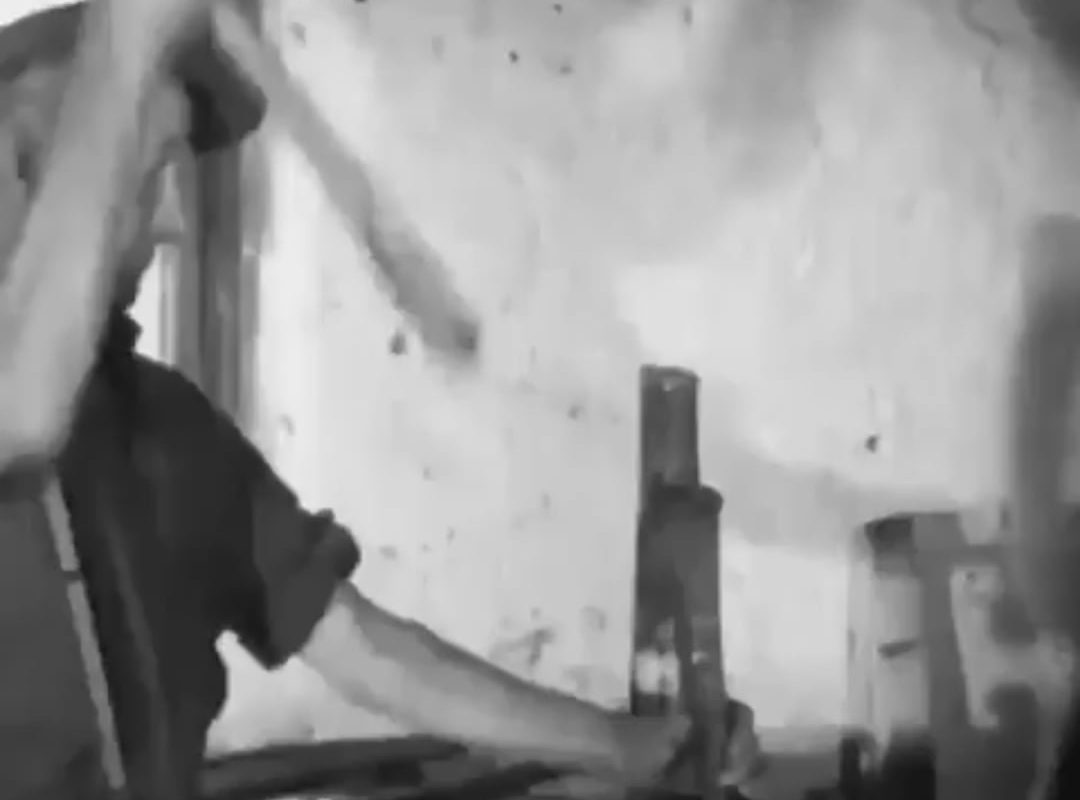
Making a barrel in the older days without power tools.
Meta Title: Crafting Barrels by Hand: The Timeless Art of Traditional Cooperage
Meta Description: Discover how barrels were made without power tools in the old days—a deep dive into the meticulous craftsmanship of coopers, from stave shaping to fire-toasting.
How Did They Make Barrels By Hand? The Lost Art of Traditional Cooperage
Before factories and power tools, barrels were irreplaceable vessels for storing everything from wine and whiskey to salted fish and gunpowder. These humble containers were painstakingly crafted by skilled artisans called coopers, whose mastery of wood, fire, and hand tools has faded into history. Here’s how barrels were made entirely by hand—no electricity required.
The Humble Materials: Nature’s Bounty
1. Wood Selection
Barrels relied on tight-grained hardwoods like oak, chestnut, or ash. Oak was prized for its watertight properties and ability to impart flavors (critical for aging spirits). Coopers hand-selected trees straight from the forest, choosing straight, knot-free trunks.
2. Splitting, Not Sawing
Logs were split along the grain using axes, froes, and mallets. Sawing was avoided—split wood follows natural growth lines, creating staves less prone to leaking. These rough planks, called staves, were then air-dried for months (sometimes years!) to reduce moisture.
Tools of the Trade: Muscle and Mastery
Without power tools, coopers relied on specialized hand tools to shape, bend, and assemble barrels:
- Drawknives & Planes: To taper and smooth staves.
- Adze & Hollowing Knives: For hollowing the barrel’s interior.
- Sun Plane: Curved planes to ensure staves fit snugly.
- Croze & Howel: To carve grooves for the barrel head (lid) and shape hoops.
Building the Barrel: Step-by-Step
Step 1: Shaping the Staves
Each stave was meticulously shaped with a drawknife into a narrow, tapered plank—wider in the middle and narrower at the ends. Precision was critical: a single uneven stave could compromise the barrel’s seal.
Step 2: “Raising the Barrel”
Staves were stood vertically in a circular formation, held together temporarily by rope or a truss hoop. The cooper then hammered temporary metal hoops over the staves to force them into the iconic curved shape.
Step 3: Bending with Fire & Steam
To bend stubborn staves, coopers used two age-old methods:
- Fire-Toasting: A small fire lit inside the barrel softened the wood.
- Steam Boxes (Late Technique): Wood steamed over boiling water became pliable.
Step 4: Permanent Hooping
Once bent, the barrel was fitted with iron or wooden hoops (from willow or hickory). The cooper hammered hoops into place, starting at the ends (chime hoops) and working inward. Tension from the hoops compressed the staves, creating a watertight seal.
Step 5: Creating the Heads (Lids)
Barrel lids, called heads, were crafted by joining smaller boards with dowels. A dressing iron carved a groove (the croze) inside the barrel to seat the head securely.
Step 6: Toasting & Charring
Wine and spirit barrels were fire-toasted inside to caramelize wood sugars, enhancing flavor. For whiskey, a quick char layer added smokey depth.
Why Handmade Barrels Were Engineering Marvels
- No Nails or Glue: Entirely held by friction and hoop tension.
- Watertight Magic: Swelling wood when filled created a perfect seal.
- Built to Last: Some handmade barrels survive 100+ years!
The Legacy of Traditional Cooperage
By the 1800s, industrial cooperage replaced handcrafted barrels. Yet today, artisan distilleries and wineries revive these methods for premium products. Workshops like Kentucky’s bourbon barrel rickhouses still use no-power-tool techniques passed down for generations.
Final Word
Making a barrel by hand was a slow, grueling craft—yet the result was a masterpiece of functional art. Next time you sip aged wine or whiskey, remember the centuries-old skill that shaped its flavor, one stave at a time.
Target Keywords:
traditional barrel making, handmade barrels, cooperage tools, how barrels were made, antique barrel crafting, wooden barrel construction, coopering history.