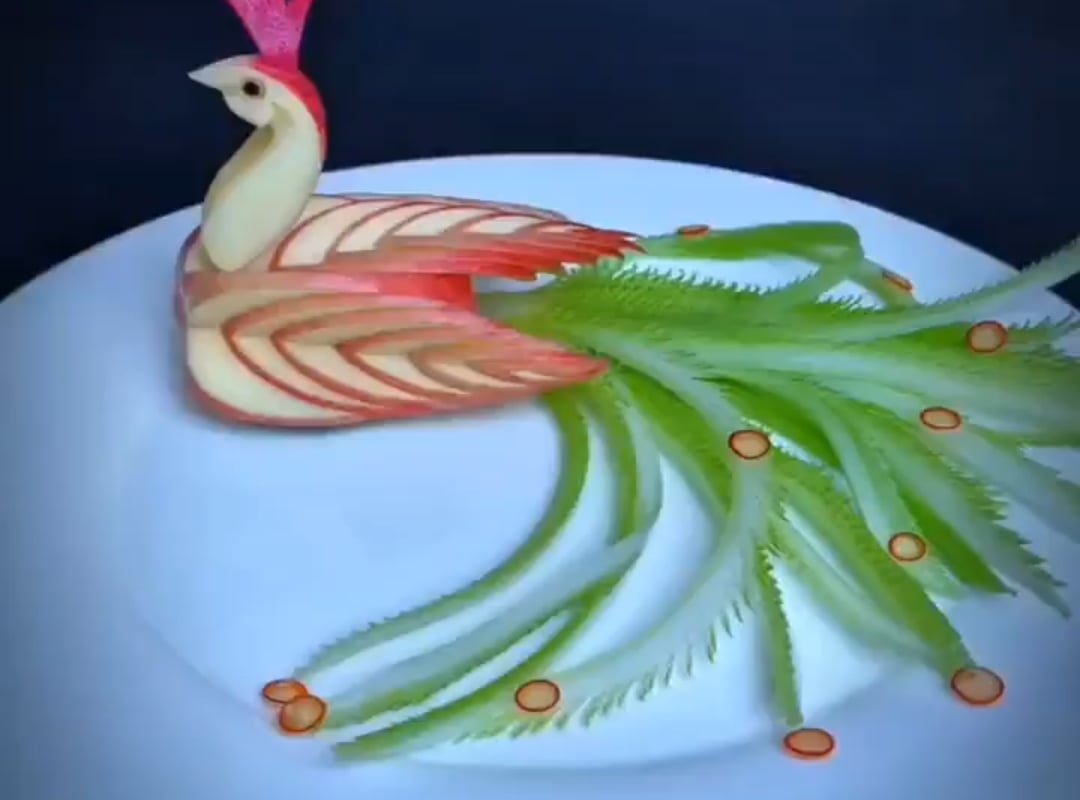
Making amazing art from Vegetables
Title: From Garden to Gallery: How to Transform Everyday Vegetables into Stunning Art
Meta Description: Discover how to turn vegetables into breathtaking art! Explore creative techniques, tips, and inspiration for crafting edible masterpieces that wow.
The Root of Creativity: Why Vegetable Art Captivates
Vegetables aren’t just for eating—they’re vibrant, sculptural, and full of artistic potential. From intricately carved radish roses to whimsical pepper birds, artists and hobbyists worldwide are reimagining produce as a medium for temporary yet extraordinary art. This trend combines sustainability, affordability, and endless creativity, making it perfect for foodies, eco-conscious crafters, or anyone seeking a fresh artistic outlet.
In this guide, we’ll dig into the tools, techniques, and inspiration you need to create jaw-dropping vegetable art—no professional experience required!
Essential Tools for Vegetable Art Success
You don’t need fancy equipment to start. Most items are likely already in your kitchen!
- Sharp Knives & Peelers: Precision is key. Opt for paring knives, X-Acto blades, or vegetable peelers for delicate cuts.
- Carving Tools: Clay sculpting tools or melon ballers help shape curves and hollows.
- Food-Safe Brushes: Use these to apply natural dyes (like beet juice) or preserve pieces.
- Support Materials: Skewers, toothpicks, and foam blocks help assemble 3D creations.
- Natural Preservatives: Lemon juice or vinegar slows browning; glycerin extends freshness.
Pro Tip: Start with firm, fresh veggies like carrots, radishes, potatoes, bell peppers, or zucchini—they hold shape best!
5 Vegetable Art Techniques to Master
1. Carving & Etching
- Basics: Use a small knife to etch patterns onto vegetable skins (e.g., cucumbers or squash).
- Advanced: Layer carved slices to create 3D flowers or geometric designs.
2. Stacking & Assemblage
Combine cut vegetable pieces with toothpicks to build structures like towers, animals, or abstract sculptures. Think bell pepper lanterns or onion lily pads!
3. Stamp Printing
Dip sliced veggies (okra, celery, or onions) in natural paint (spinach juice, turmeric paste) and stamp onto paper or fabric for rustic patterns.
4. Shadow Play
Thinly slice translucent veggies (daikon radish, cucumber) and layer them over LED lights for glowing installations.
5. Natural Dye Extraction
Boil vibrant veggies (red cabbage, beets) to create DIY watercolor paints for eco-friendly art projects.
Inspiration Gallery: Vegetable Art Ideas
- Floral Fantasies: Carve radishes into roses or use green onion stems as “stems” for broccoli florets.
- Animal Kingdom: Turn eggplants into penguins, cherry tomatoes into ladybugs, or mushrooms into mini-owls.
- Seasonal Displays: Pumpkin carving gets a rival with Halloween-themed beet skulls or Thanksgiving squash centerpieces.
- Abstract Shapes: Layer colorful pepper rings or use spiralized zucchini for modern wall art.
Preserving Your Vegetable Masterpieces
While vegetable art is ephemeral, you can extend its life:
- Air-Drying: Works for thick pieces like potato carvings.
- Glycerin Bath: Submerge pieces in 1:2 glycerin-water for 48 hours to retain flexibility.
- Resin Casting: For permanent keepsakes, preserve small pieces in clear resin.
- Photography: Capture your art in its prime and share it online!
5 Tips for Beginners
- Start simple—practice slicing evenly or carving basic shapes first.
- Work quickly to avoid oxidation (browning); dip cuts in lemon water.
- Sketch designs on paper or use stencils to guide your cuts.
- Embrace imperfections—asymmetry adds charm!
- Compost scraps to keep your art sustainable.
The Unexpected Benefits of Vegetable Art
Beyond beauty, this hobby offers surprising perks:
- Mindfulness: Carving demands focus, easing stress.
- Sustainability: Reduces food waste by using “ugly” or aging produce.
- Educational Fun: Perfect for teaching kids about nutrition and creativity.
- Conversation Starters: Amaze guests at parties with edible table art!
Conclusion: Unleash Your Inner Veggie Vinci!
Vegetable art proves that inspiration can grow anywhere—even in your fridge. Whether you sculpt a dragon from a daikon or paint with purple carrot juice, this eco-friendly craft blends tradition, innovation, and playfulness. So grab a knife, pick your palette (of veggies!), and let nature’s colors and shapes guide your next masterpiece.
Ready to create? Share your veggie art with #VegetableVogue and inspire a garden of creativity!
SEO Keywords: vegetable carving ideas, food art, edible art, vegetable sculpture, creative vegetable crafts, sustainable art, food carving, DIY vegetable art, organic art projects, veggie stamping.