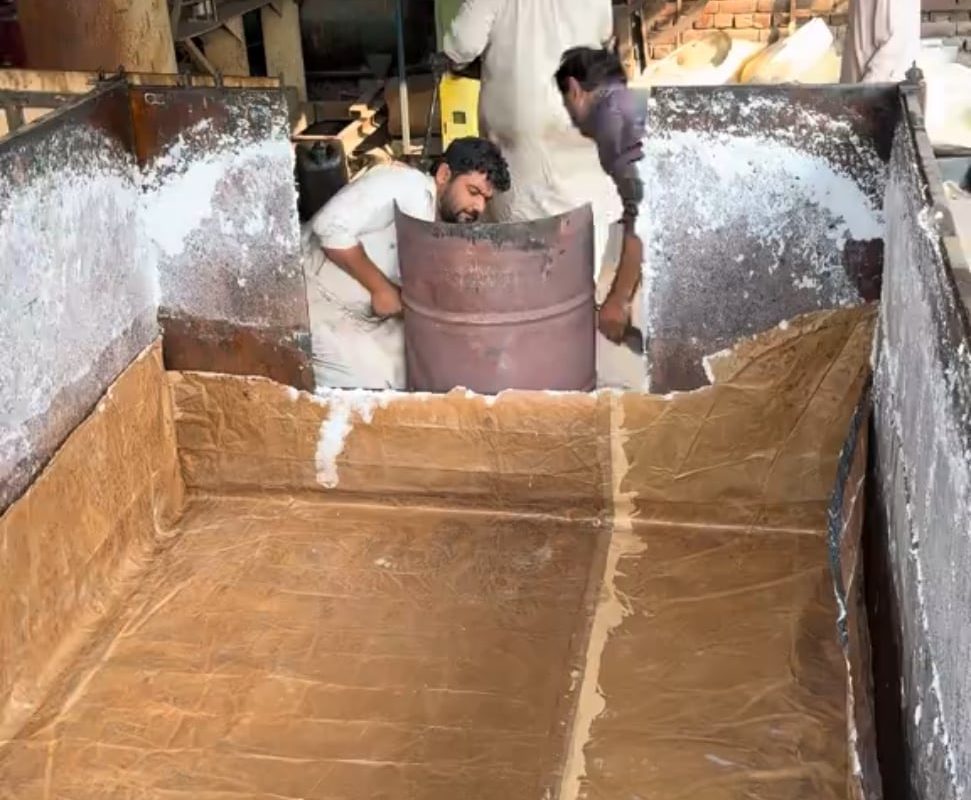
Making foam cuts.
Mastering Foam Cutting: Precision Techniques, Tools, and Safety Tips
Foam is a remarkably versatile material, used in industries ranging from upholstery and packaging to cosplay and insulation. However, achieving clean, precise foam cuts can be tricky—especially for beginners. With the right tools, techniques, and safety knowledge, though, you’ll transform raw foam into custom-fit creations effortlessly. In this guide, we’ll break down the best methods for making foam cuts, from basic hand tools to advanced machinery, and share expert tips to elevate your projects.
Why Precision in Foam Cutting Matters
Foam’s lightweight, porous nature makes it prone to tearing, melting, or jagged edges if mishandled. Clean cuts are essential for:
- Professional finishes in upholstery, props, or crafts.
- Accurate fitting for packaging, insulation, or DIY furniture.
- Structural integrity, especially in load-bearing uses.
Choosing the wrong tool or technique can waste materials, time, and effort. Let’s explore the best practices.
Top 5 Foam Cutting Tools & Methods
1. Hot Wire Cutters (Electric Foam Cutters)
Best for: Intricate shapes, smooth edges, and expanded polystyrene (EPS) or polyurethane foams.
- How it works: A heated wire melts through foam swiftly, sealing edges for minimal crumbling.
- Types:
- Handheld units: Ideal for freehand curves and simple shapes.
- Tabletop systems: Use guides or CNC attachments for precision.
- Tips:
- Adjust temperature—too hot melts foam excessively; too cold causes drag.
- Move steadily—pausing creates uneven divots.
2. Utility Knives & Razor Blades
Best for: Straight cuts in thicker foams (e.g., upholstery foam).
- Blade choice: Use extended snap-off blades or serrated knives for dense foam.
- Technique:
- Mark cutting lines with a fabric pen.
- Use long, smooth strokes—avoid sawing motions.
- Replace blades frequently for clean cuts.
3. Electric Knives (Serrated)
Best for: Quick, straight cuts in softer foams (e.g., mattress toppers).
- Common in upholstery shops; mimics a bread knife’s action.
- Tip: Cut slowly to prevent snagging.
4. Band Saws or Scroll Saws
Best for: High-volume projects or thicker blocks (≥4 inches).
- Use fine-tooth blades (6–10 TPI) to minimize tearing.
- Secure foam with clamps or double-sided tape to avoid shifting.
5. Laser Cutters & CNC Machines
Best for: Industrial-grade precision, complex patterns, and repeatable designs.
- Warning: Some foams (PVC-based) release toxic fumes when lasered—always check material safety.
Step-by-Step Guide to Cutting Foam
Follow these steps for optimal results:
1. Prep Your Workspace
- Safety first: Wear gloves, goggles, and a mask (to avoid inhaling particles).
- Ventilation: Critical when using hot wire tools or adhesives.
- Measure & Mark: Use a ruler or template to outline cuts.
2. Secure the Foam
- Place foam on a non-slip surface (e.g., rubber mat).
- For thick foam, clamp it vertically for stability.
3. Execute the Cut
- Hot wire: Glide steadily along marked lines without excess pressure.
- Blades: Score lightly first, then deepen cuts gradually.
- Saws: Feed foam slowly; let the blade do the work.
4. Finishing Touches
- Sand rough edges with fine-grit sandpaper (80–120 grit).
- Seal porous edges with a heat gun (lightly) or specialized spray sealant.
Safety Tips for Foam Cutting
Working with foam poses risks:
- Toxic fumes: Avoid melting PVC/EVA foams with hot tools—opt for polyethylene (PE) or EPS instead.
- Electrical hazards: Keep hot wire tools away from flammable materials.
- Sharp tools: Always cut away from your body and keep blades guarded.
Choosing the Right Foam for Your Project
- Polyurethane Foam: Soft, flexible—best for cushions and cosplay.
- Polystyrene (EPS/XPS): Rigid—ideal for insulation, model-making.
- Ethylene-Vinyl Acetate (EVA): Dense, non-toxic—used in gym mats.
Troubleshooting Common Issues
- Jagged edges: Use a sharper blade or slower cutting speed.
- Melting: Reduce hot wire temperature or switch to a blade.
- Uneven thickness: Secure foam better or use a guide rail.
Conclusion: Perfect Your Foam Cutting Skills
Whether you’re crafting custom seat cushions, building a theater prop, or insulating a home project, mastering foam cutting unlocks endless possibilities. Start with hand tools for small jobs, and graduate to hot wires or CNC machines for complex designs. Remember: patience, the right tools, and safety protocols guarantee flawless results.
Pro Tip: Practice scrap foam pieces first to refine your technique!
By optimizing tools and methods to your foam type and project needs, you’ll save time, reduce waste, and achieve professional-grade finishes every time.
Meta Description: Learn how to make perfect foam cuts with this expert guide! Explore tools, safety tips, and step-by-step techniques for DIY, upholstery, crafts, and more.