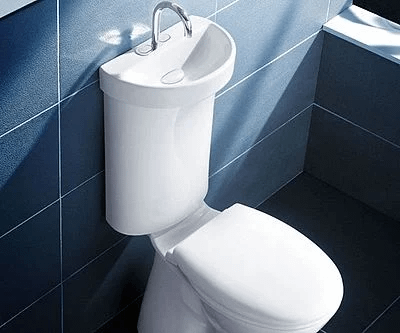
Many Japanese toilets are designed with a sink built into the top, allowing hand-washing water to be recycled for the next flush
Meta Description: Discover how Japanese toilets with built-in sinks revolutionize water conservation by recycling hand-washing water for flushing. Explore their benefits and eco-friendly design.
The Genius of Japanese Toilets: How Built-In Sinks Save Water and Promote Sustainability
Japanese toilets have long been synonymous with cutting-edge innovation, comfort, and hygiene. From heated seats and bidet functions to self-cleaning systems, Japan has redefined the bathroom experience. But one of the most ingenious—and often overlooked—features is the integrated sink-toilet system, where hand-washing water is recycled to power the next flush. This simple yet brilliant design not only saves water but also embodies Japan’s commitment to resource efficiency. Here’s how it works and why it matters.
The Eco-Friendly Mechanism: How It Works
At first glance, Japanese toilets with built-in sinks resemble ordinary units. On closer inspection, however, a small sink is seamlessly integrated into the top of the toilet tank. Here’s a step-by-step breakdown of its function:
- Hand-Washing Phase: After using the toilet, you wash your hands in the sink mounted atop the tank.
- Water Collection: The used, clean(ish) water from hand-washing flows directly into the toilet’s storage tank.
- Reuse for Flushing: When you next flush, this recycled water—rather than fresh water—is used to rinse the bowl.
This closed-loop system ensures that gray water (lightly used, uncontaminated water) serves a second purpose. Traditional toilets waste fresh potable water for every flush, but Japanese designs dramatically reduce this inefficiency.
Key Benefits of Sink-Toilet Combos
-
Water Conservation
– A standard flush uses 6–13 liters (1.6–3.4 gallons) of water. With recycled sink water offsetting this demand, households can save thousands of liters annually.
– Ideal for drought-prone regions or eco-conscious homes. -
Space Efficiency
– Combines two fixtures into one, perfect for compact bathrooms in urban apartments. -
Cost Savings
– Lower water bills and reduced strain on municipal systems. -
Hygienic & Low-Maintenance
– Fresh water still flows to the sink—crossover contamination is avoided.
– Systems are self-cleaning and use antimicrobial materials.
The Cultural Context: Why Japan Leads in Bathroom Innovation
This innovation reflects Japan’s broader cultural values:
- Resourcefulness: As a nation with limited natural resources, Japan prioritizes efficiency.
- Attention to Detail: Japanese design focuses on elevating everyday routines into pleasant, streamlined experiences.
- Sustainability Minded: With climate-conscious policies, Japan encourages water-saving technologies nationwide.
Brands like TOTO, Panasonic, and LIXIL have popularized these toilets globally, positioning them as icons of “smart living.”
Challenges and Global Adoption
While common in Japan, sink-toilet combos face barriers elsewhere:
- Cost: High-tech Japanese toilets can be pricier than conventional models.
- Cultural Perception: Some users outside Japan find the design unusual initially.
- Plumbing Standards: Older buildings may require retrofitting.
However, as sustainability becomes non-negotiable, demand is rising in Europe, North America, and water-scarce regions like Australia and California.
Future Trends: Beyond the Toilet-Sink Combo
Japanese engineers aren’t stopping here. Emerging advancements include:
- AI-Powered Water Management: Sensors adjust flush strength based on usage.
- Solar-Powered Systems: Off-grid setups for remote areas.
- Expanded Gray Water Recycling: Integrating shower or laundry water into toilets.
Conclusion: A Small Change with a Big Impact
Japanese sink-toilet systems prove that sustainability doesn’t require sacrifice—just smarter design. By repurposing hand-washing water, they conserve a vital resource while keeping bathrooms clean and functional. As climate challenges escalate, adopting such innovations could redefine global standards for efficiency.
Whether you’re renovating a bathroom or simply seeking eco-friendly choices, these toilets remind us that sometimes, the brightest ideas flow from the smallest changes.
Ready to save water? Your next flush could be part of the solution.
Keywords for SEO: Japanese smart toilet, eco-friendly toilet, water-saving toilet design, sink-integrated toilet, gray water recycling, sustainable bathroom fixtures, TOTO toilet technology, Japan water conservation, green home innovations.