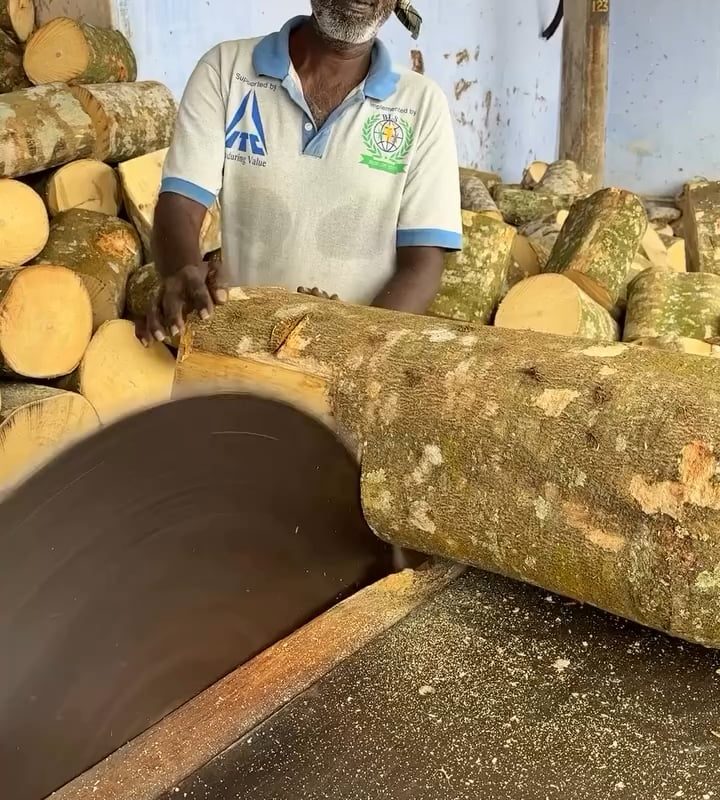
Matchstick making in India
Title: Matchstick Making in India: Tradition, Industry, and Modern Challenges
Meta Description: Explore the history, current landscape, and economic significance of India’s matchstick manufacturing industry, a blend of tradition and evolving challenges.
Introduction
Matchstick making in India is not just an industry—it’s a crucial part of the country’s rural economy and cultural fabric. From small-scale cottage units to large factories, India remains one of the world’s largest producers of safety matches. This article dives deep into the process, significance, and future of this often-overlooked sector.
A Brief History of Matchstick Production in India
India’s tryst with matchstick manufacturing began in the early 20th century, with the first factory—Chennai Match Works—established in 1923. Before independence, the industry was dominated by Swedish imports, but post-1947, local production surged. Today, India produces over 90% of its domestic demand, with Tamil Nadu, particularly Kovilpatti (the “Match City”), leading the charge.
The Current Scenario: How Big is the Industry?
India’s matchstick sector employs roughly 500,000 workers, most in unorganized, home-based units. Key hubs include:
- Tamil Nadu (Kovilpatti, Sivakasi, and Virudhunagar)
- West Bengal
- Gujarat
The Khadi and Village Industries Commission (KVIC) plays a vital role in promoting small-scale production, aligning with India’s rural empowerment goals.
The Manufacturing Process: From Wood to Flame
- Wood Preparation: Softwood (like poplar or pine) is sliced into thin sticks.
- Chemical Dipping: Sticks are dipped in paraffin wax and a paste of potassium chlorate (oxidizer) and red phosphorus.
- Drying & Cutting: After drying, sticks are cut to size.
- Box Production: Cardboard is printed, folded, and lined with a striking surface.
- Packing: Matches are filled manually or via machines into boxes—a labor-intensive step.
Fun Fact: India produces ≤12 billion matchboxes annually, with Tamil Nadu contributing 85%!
Challenges Facing the Industry
- Safety & Labor Issues: Exposure to phosphorus and sulfur risks workers’ health.
- Child Labor: Despite bans, underage workers remain employed in unregulated units.
- Cheap Imports: Chinese matchsticks flood markets, undercutting local prices.
- Environmental Concerns: Deforestation and chemical runoff impact ecosystems.
- Automation Threat: Rising mechanization could displace manual laborers.
Major Players and Brands
While fragmented, notable names include:
- WIMCO (Western India Match Company), now part of ITC Ltd.
- Sri Kalyanee Match Works (Kovilpatti)
- Pioneer Asia Group (Sivakasi)
Smaller brands often supply to government institutions like railways.
Economic Impact & Rural Empowerment
Matchstick production is a lifeline for rural communities:
- Women-Centric Workforce: Over 75% of packers are women home-workers.
- Low-Cost Livelihoods: Provides income in regions with limited job options.
- KVIC Subsidies: Support micro-units through training and raw material access.
The Future of Matchstick Making in India
- Automation: Larger factories are adopting machines for dipping, cutting, and packing.
- Eco-Friendly Shifts: Brands like EcoMatches use recycled paper and non-toxic chemicals.
- Diversification: Factories expand into agarbatti (incense sticks) and fireworks.
- Government Schemes: Initiatives like SFURTI aim to modernize MSME clusters.
Conclusion: Preserving a Fading Flame
India’s matchstick industry stands at a crossroads. While automation and competition threaten traditional models, its role in rural livelihoods ensures continued relevance. Sustainable practices, fair wages, and stricter regulation could help this age-old craft survive—and thrive—in the modern era.
Keyword Focus: Matchstick manufacturing India, safety matches industry, Kovilpatti match factories, rural employment India, KVIC match production
Optimized For: Users researching India’s manufacturing sector, MSME trends, or labor-intensive industries.
By blending history, data, and forward-looking insights, this piece targets informational searches while highlighting challenges and opportunities in India’s matchstick landscape.