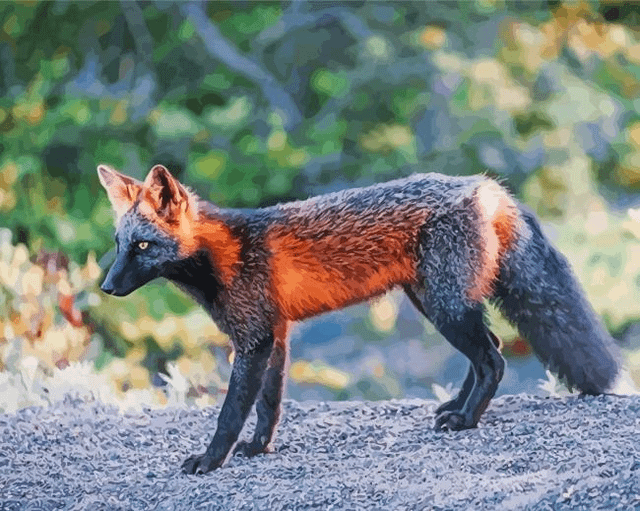
Melanistic red foxes a rare color morph of the common red fox caused by melanism giving them a dramatic, almost fiery appearance.
H1: Melanistic Red Foxes: The Rare Fiery Morph of the Common Fox
Intro:
Imagine encountering a fox that looks like it’s been dipped in shadows and embers—a creature so striking it seems plucked from folklore. Melanistic red foxes are exactly that: a rare, mesmerizing color variant of the common red fox (Vulpes vulpes). Caused by a genetic quirk called melanism, these foxes boast near-black coats with hints of fiery red, creating a dramatic blend of darkness and light. In this article, we’ll explore their unique biology, habitat, and the mystery behind their rarity.
What Is Melanism? The Science Behind the Shadows
Melanism is a genetic mutation that increases melanin production, resulting in unusually dark fur, feathers, or scales. Unlike albinism (a lack of pigment), melanism amplifies it. This trait is seen in many species, such as black panthers (melanistic leopards) and dark-coated squirrels. In red foxes, melanism is recessive, meaning both parents must carry the gene for offspring to inherit the trait—making these “black foxes” exceptionally rare.
Fiere Looks: How Melanistic Foxes Differ from Their Red Kin
At first glance, melanistic red foxes seem almost black, but sunlight reveals undertones of deep red, mahogany, or charcoal. Key features include:
- Dark Base Fur: Richer and denser than standard red-orange coats.
- Fiery Accents: Rust-colored highlights on ears, legs, or tail tips.
- Camouflage Advantage: In dense forests or at night, their coloring provides stealth against predators.
Contrast this with the silver fox—another melanistic morph with silvery-tipped guard hairs—or the cross fox, which has black stripes. Melanistic red foxes are rarer and more uniform in darkness.
Habitat & Distribution: Where Do Melanistic Foxes Roam?
Red foxes thrive across the Northern Hemisphere, but melanistic individuals are scarce. They’re most frequently reported in:
- Forested Regions: North America (e.g., Canada’s boreal forests) and Eurasia.
- Cooler Climates: Dark fur may offer better heat retention and concealment in snowy or shaded habitats.
Sightings remain sporadic, with some regions (like Newfoundland) noting slightly higher occurrences. Despite their elusiveness, camera traps and wildlife photographers have captured stunning glimpses of these “ghosts of the woods.”
Behavior & Survival: Does Melanism Impact Their Lives?
Melanistic foxes behave identically to their red counterparts—they’re opportunistic omnivores, hunting rodents, birds, and berries. However, their rarity may pose challenges:
- Predation Risk: In open terrain, darker coats could make them more visible to eagles or coyotes.
- Thermal Benefits: Dark fur absorbs heat, aiding survival in colder climates.
Still, no evidence suggests melanism affects intelligence or social habits. Their scarcity is purely genetic, not behavioral.
Conservation & Cultural Allure
While red foxes are classified as Least Concern by the IUCN, melanistic morphs face unique threats:
- Fur Trade: Their striking pelts are prized, fueling illegal trapping.
- Habitat Loss: Urbanization fragments forests, limiting genetic diversity.
In folklore, dark foxes often symbolize mystery. In Japanese mythology, the kitsune (a fox spirit) sometimes appears as a shadowy omen, while European tales link black foxes to witchcraft. Today, they inspire awe as symbols of nature’s adaptability.
Can You Spot a Melanistic Red Fox?
Chances are slim—fewer than 1% of wild red foxes display melanism. To boost your odds:
- Explore dense woodlands at dawn/dusk.
- Watch for movement in underbrush—their eyes glint gold in low light!
- Support wildlife corridors to protect their habitats.
Conclusion: A Rare Jewel of the Wild
Melanistic red foxes are a testament to nature’s artistry—living proof that even the familiar can transform into something extraordinary. By understanding and protecting these rare creatures, we safeguard the genetic diversity that makes our ecosystems resilient. Have you glimpsed one? Share your stories (or photos) to celebrate these shadowy marvels!
Keywords for SEO:
Melanistic red fox, black fox, rare fox color morph, melanism in foxes, Vulpes vulpes melanistic, dark red fox, fiery fox appearance, genetic mutation foxes, wildlife anomalies, where to see melanistic foxes.
Meta Description:
Discover melanistic red foxes—a rare, fiery-black color morph of the common red fox. Learn how melanism works, their habitat, behavior, and why they’re so elusive.