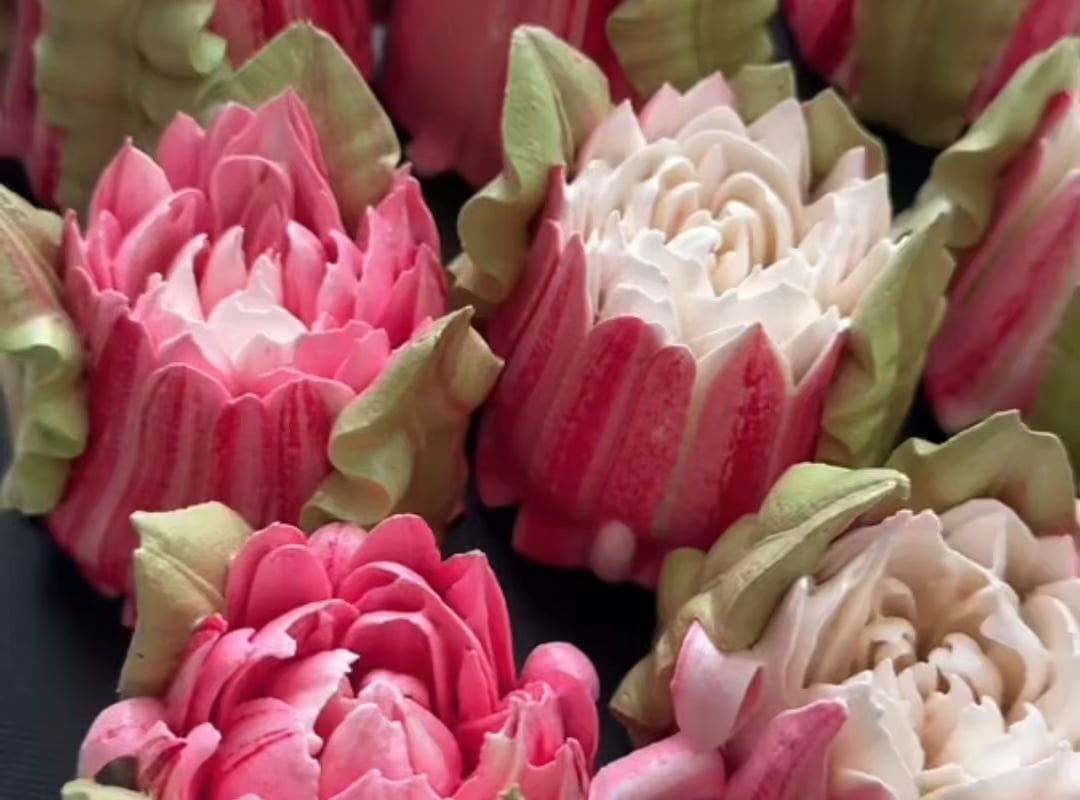
Meringue Flowers
Title: Meringue Flowers: How to Make Stunning Edible Decorations
Meta Description: Learn how to make delicate meringue flowers with this step-by-step guide. Perfect for cakes, cupcakes, and elegant dessert displays.
Introduction
Meringue flowers add a touch of ethereal beauty to desserts, transforming ordinary cakes, tarts, and cookies into works of edible art. These delicate, airy creations are surprisingly simple to make with just a few ingredients and minimal tools. Whether you’re a baking novice or a seasoned pastry pro, this guide will walk you through creating stunning meringue flowers that impress both eyes and taste buds.
What Are Meringue Flowers?
Meringue flowers are piped, baked meringue shapes designed to resemble blossoms like roses, daisies, peonies, or hydrangeas. Made from whipped egg whites, sugar, and a splash of acid (like cream of tartar), they’re lightly crisp on the outside with a melt-in-your-mouth sweetness. Their versatility makes them perfect for:
- Cake toppers
- Cupcake decorations
- Dessert table centerpieces
- Gift box embellishments
Ingredients & Tools You’ll Need
Ingredients:
- 3 large egg whites (room temperature)
- ¾ cup superfine sugar (or granulated sugar pulsed in a blender)
- ¼ tsp cream of tartar or lemon juice (stabilizes the meringue)
- Gel food coloring (optional; avoid liquid dyes to prevent sogginess)
Tools:
- Stand mixer or hand mixer
- Piping bags
- Piping tips (star tip #1M for roses, round tip #12 for centers, petal tip #104 for ruffled edges)
- Parchment paper or silicone mat
- Baking sheet
Step-by-Step Guide to Making Meringue Flowers
1. Prepare the Meringue
- Whip the egg whites: In a clean, grease-free bowl, beat egg whites and cream of tartar on medium speed until foamy (2–3 minutes).
- Add sugar gradually: Increase speed to high and slowly add sugar 1 tbsp at a time. Beat until stiff, glossy peaks form (≈5–7 minutes).
Pro Tip: Test the peaks by lifting the beaters—the meringue should stand upright without collapsing.
2. Color and Pipe the Flowers
- Add color (optional): Gently fold gel food coloring into the meringue for pastel or vibrant petals. Use multiple bowls for multicolor designs.
- Prep the piping bag: Fit the bag with your desired tip and fill with meringue. Twist the top to avoid leaks.
Piping Techniques:
- Roses: Hold the piping bag vertically. Starting at the center, pipe in a tight spiral outward.
- Daisies: Pipe a round center, then surround it with simple pointed petals.
- Hydrangeas: Use a star tip to pipe small clustered bursts.
3. Bake to Perfection
- Preheat oven to 200°F (95°C)—low heat is key for crisp meringues without browning!
- Bake for 60–90 minutes until firm but still white. Turn off the oven and let cool inside for 1–2 hours to prevent cracking.
Tips for Perfect Meringue Flowers
- Avoid humidity: Meringues absorb moisture, so bake on dry days.
- Patience with peaks: Under-whipped meringue spreads; over-whipped becomes grainy.
- No cracks: Cool slowly in the oven to prevent temperature shock.
- Get creative: Dust with edible glitter or luster powder after baking for shimmer.
How to Use Meringue Flowers
- Dessert décor: Adorn cakes, cupcakes, or pavlovas.
- Standalone treats: Serve as dainty cookies with coffee.
- Gifting: Package in clear boxes tied with ribbon for a heartfelt homemade gift.
Storage Tips
Store meringue flowers in an airtight container at room temperature for up to 2 weeks. Avoid refrigeration—it introduces moisture, making them sticky!
Conclusion
Meringue flowers are an effortless way to elevate desserts from ordinary to extraordinary. With their crisp sweetness and delicate appearance, they’re sure to steal the spotlight at any occasion. Armed with these tips and techniques, you’re ready to pipe, bake, and create stunning botanical-inspired treats. Share your edible floral masterpieces—and watch them bloom! 🌸
Call to Action:
Tried this tutorial? Tag us on social media with your meringue flower creations! For more edible art ideas, subscribe to our newsletter.