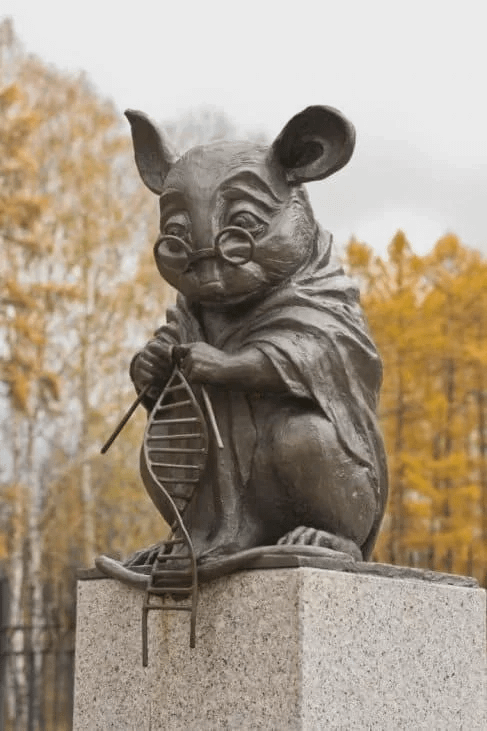
Monument in Akademgorodok, Novosibirsk dedicated to mouse contribution to research
Title: The Mouse Monument in Novosibirsk: A Whimsical Tribute to Science’s Unsung Heroes
Meta Description: Discover the iconic Monument to the Laboratory Mouse in Akademgorodok, Novosibirsk—a bronze tribute to rodents’ role in scientific breakthroughs. Explore its history, symbolism, and why it’s a must-see for science enthusiasts!
H1: The Monument to the Laboratory Mouse: Celebrating Science’s Tiny Pioneers in Novosibirsk
In the heart of Siberia’s scientific hub, Akademgorodok, stands a one-of-a-kind monument that honors an unlikely hero of medical research: the humble laboratory mouse. The Monument to the Laboratory Mouse in Novosibirsk, Russia, is a bronze sculpture blending whimsy and profound respect for the animals that have propelled groundbreaking discoveries in genetics, medicine, and biology.
This unique landmark isn’t just a quirky photo op—it’s a symbol of humanity’s debt to the creatures that help unravel life’s mysteries. Here’s why this monument deserves global recognition and a spot on your travel bucket list.
H2: Where Science Meets Art: Akademgorodok’s Legacy
Akademgorodok (Академгородок), or “Academic Town,” is a forested district 20 km south of Novosibirsk. Founded in 1957, it was designed as a utopian enclave for Soviet scientists, housing research institutes, universities, and thousands of researchers. Today, it remains Russia’s answer to Silicon Valley—a thriving nexus of innovation.
The Mouse Monument, unveiled in 2013, perfectly encapsulates Akademgorodok’s spirit: creativity, intellect, and reverence for the scientific process.
H2: Design and Symbolism: A Mouse Knitting the Double Helix
Created by local artist Andrey Kharkevich, the sculpture depicts a bespectacled mouse in a lab coat, intently knitting a strand of DNA. The imagery is rich with meaning:
- The DNA Strand: Represents genetic research—a field where mice have been indispensable. Over 95% of lab animals used in genetics are mice due to their genetic similarity to humans.
- The Lab Coat and Glasses: Anthropomorphize the mouse, symbolizing its “collaboration” with scientists.
- The Act of Knitting: Suggests patience, precision, and the gradual “weaving” of scientific knowledge.
Standing at just over 70 cm, the bronze statue is small but mighty—a fitting tribute to its subject.
H2: Why Mice? The Unsung Heroes of Medical Research
Lab mice have been vital to countless breakthroughs:
- Cancer & Drug Development: Mice models help test therapies.
- Genetics: The first genetically modified mammal was a mouse (1981).
- Neuroscience: Mice aid Alzheimer’s and Parkinson’s research.
The monument acknowledges their sacrifice—over 100 million mice are used annually in labs worldwide—while celebrating their role in saving human lives.
H3: The Story Behind the Monument
The idea emerged from the Institute of Cytology and Genetics (ICG) in Novosibirsk, which has studied animal biology since the 1960s. In 2013, to mark the institute’s 55th anniversary, scientists commissioned the statue to:
- Honor 70+ years of mouse-driven discoveries.
- Humanize the ethical complexities of animal research.
- Inspire future scientists with a blend of humor and reverence.
H3: Visiting the Monument: A Must for Science Buffs
Location: The statue stands in a park near the ICG (Prospekt Akademika Lavrentjeva, 10). Pair your visit with tours of nearby attractions:
- Novosibirsk State University: A flagship research university.
- Museum of Science and Technology: Exhibits on Siberian innovation.
- Central Siberian Botanical Garden: A lush escape.
Best Time to Visit: Summer (June–August) offers warm weather and vibrant greenery. Winter adds a magical, snow-dusted charm.
H2: Why This Monument Matters Beyond Russia
The Laboratory Mouse Monument resonates globally because:
- Ethical Reflection: It sparks dialogue on balancing scientific progress with animal welfare.
- Scientific Unity: Mice are universal symbols of research—bridging labs from Boston to Beijing.
- Cultural Quirk: It proves science isn’t sterile; it can be playful, profound, and poetic.
As geneticist Dr. Mikhail Fonov noted at its unveiling: “This mouse reminds us that every medical miracle begins in the quiet courage of tiny creatures.”
H3: FAQs About the Monument
Q: Who funded the monument?
A: The ICG crowdfunded it, with donations from scientists and locals.
Q: Are there similar monuments?
A: Yes! A “Memorial to the Unknown Lab Mouse” exists in Ukraine, but Novosibirsk’s is the most iconic.
Q: Is Akademgorodok open to tourists?
A: Absolutely! Guided tours cover its institutes, museums, and green spaces.
H2: Conclusion: A Tribute to Curiosity and Sacrifice
The Monument to the Laboratory Mouse isn’t just a statue—it’s a story of symbiosis between humans and nature. By immortalizing a mouse in bronze, Novosibirsk honors the patience, collaboration, and humility at the heart of science.
Whether you’re a researcher, student, or curious traveler, this landmark invites you to reflect on how tiny paws have walked alongside humanity toward a healthier future.
Keywords for SEO: Monument to laboratory mouse, Akademgorodok Novosibirsk, mouse DNA sculpture, Russian science landmarks, medical research tribute, Institute of Cytology and Genetics, Andrey Kharkevich, science tourism Siberia.
Plan your visit to Akademgorodok and witness this ode to science’s smallest heroes—where a mouse knitting DNA reminds us that greatness often starts small.