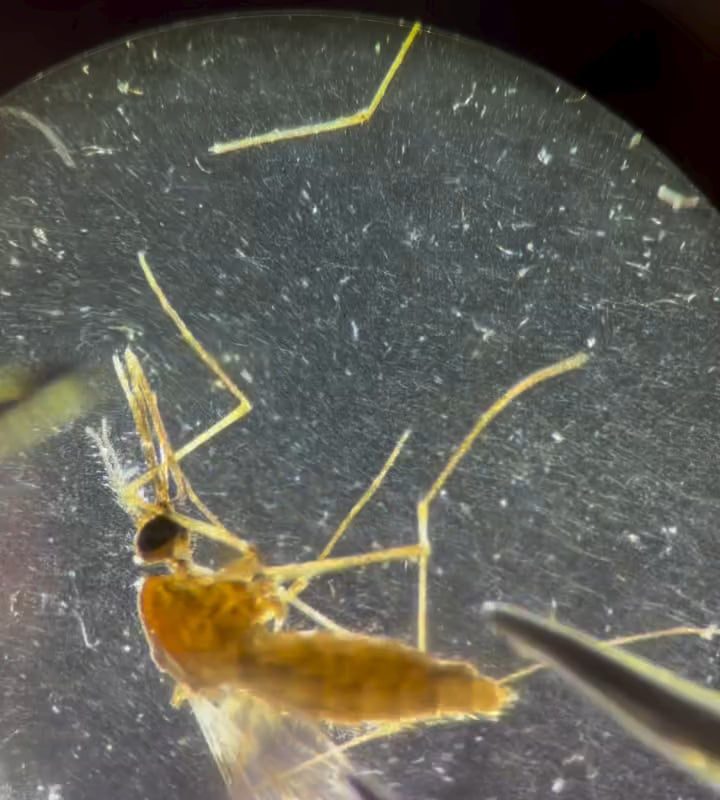
Mosquito dissection
Title: A Comprehensive Guide to Mosquito Dissection: Techniques, Tools, and Scientific Insights
Meta Description: Discover the science behind mosquito dissection! Explore step-by-step techniques, essential tools, and how this practice advances research on diseases like malaria and dengue.
Introduction
Mosquitoes are more than just summertime pests—they’re among the deadliest animals on Earth, transmitting diseases like malaria, dengue, and Zika virus. Studying their anatomy through mosquito dissection is crucial for understanding how they function as disease vectors. This guide breaks down the tools, techniques, and scientific applications of dissecting mosquitoes, offering valuable insights for students, researchers, and educators in entomology and public health.
Why Dissect Mosquitoes?
Mosquito dissection serves pivotal roles in:
- Disease Research: Identifying pathogens in salivary glands or gut tissues.
- Anatomy Education: Teaching insect morphology and physiology.
- Vector Control: Informing strategies to disrupt disease transmission cycles.
Essential Tools for Mosquito Dissection
Gather these supplies before starting:
- Stereo Microscope: For magnification (10–40x).
- Fine Forceps & Dissecting Pins: Precision tools for handling delicate tissues.
- Dissecting Dish: A wax-filled tray to secure specimens.
- Saline Solution: Prevents tissue dehydration.
- Slides & Coverslips: For mounting samples.
Pro Tip: Use formaldehyde-fixed or frozen specimens to minimize pathogen risk.
Step-by-Step Mosquito Dissection Guide
1. Specimen Preparation
- Anesthetize live mosquitoes by chilling them at 4°C for 10 minutes.
- Immobilize the mosquito ventral-side-up using dissecting pins.
2. Removing Wings and Legs
- Use forceps to gently detach wings and legs, clearing the thorax and abdomen.
3. Accessing Internal Organs
- Make a small incision along the abdomen’s midline with a micro-scalpel.
- Flood the area with saline to expose organs.
4. Isolating Key Structures
- Salivary Glands: Located near the thorax—critical for pathogen analysis.
- Midgut: Extract to study ingested pathogens like malaria parasites.
- Malpighian Tubules: Examine for waste filtration insights.
- Ovaries: Identify blood-fed females (key for vector studies).
5. Mounting Samples
- Transfer tissues to a slide with glycerin or stain for microscopic observation.
Key Anatomical Features Revealed
Dissection highlights a mosquito’s biological adaptations:
- Proboscis: Piercing-sucking mouthparts for blood-feeding.
- Salivary Glands: Transmit pathogens during bites.
- Tracheal System: Delivers oxygen via tiny tubes (tracheae).
Applications in Scientific Research
- Malaria Studies: Detecting Plasmodium parasites in salivary glands.
- Genetic Research: Isolating DNA/RNA to study insecticide resistance.
- Behavioral Ecology: Linking anatomy to host-seeking behaviors.
For example, dissecting Anopheles gambiae—the primary malaria vector—helps researchers understand parasite development, guiding vaccine design.
FAQ: Mosquito Dissection
Q: Can I dissect mosquitoes without a microscope?
A: A microscope is essential due to their small size (3–6 mm).
Q: Are there ethical guidelines for mosquito dissection?
A: Follow institutional biosafety protocols to handle potential pathogens ethically.
Q: How does dissection differ for larvae vs. adults?
A: Larvae dissection focuses on developmental structures like the siphon or anal gills.
Conclusion
Mosquito dissection bridges entomology and epidemiology, offering a window into how these insects threaten global health. Whether you’re a student mastering lab skills or a researcher combating vector-borne diseases, mastering this technique unlocks critical insights into mosquito biology.
Ready to dive deeper? Explore virtual dissection resources or partner with a local university lab to practice these methods safely!
Target Keywords: mosquito dissection, dissecting mosquitoes, mosquito anatomy, entomology lab techniques, mosquito salivary glands, disease vectors, Anopheles dissection.
Optimization Tips:
- Use header tags (H2/H3) for key sections.
- Link to authoritative sources (e.g., CDC mosquito guides).
- Include alt text for images (e.g., “mosquito dissection under microscope”).
By combining practical instructions with scientific context, this article aims to rank for educational and research-driven queries while engaging readers with actionable knowledge.