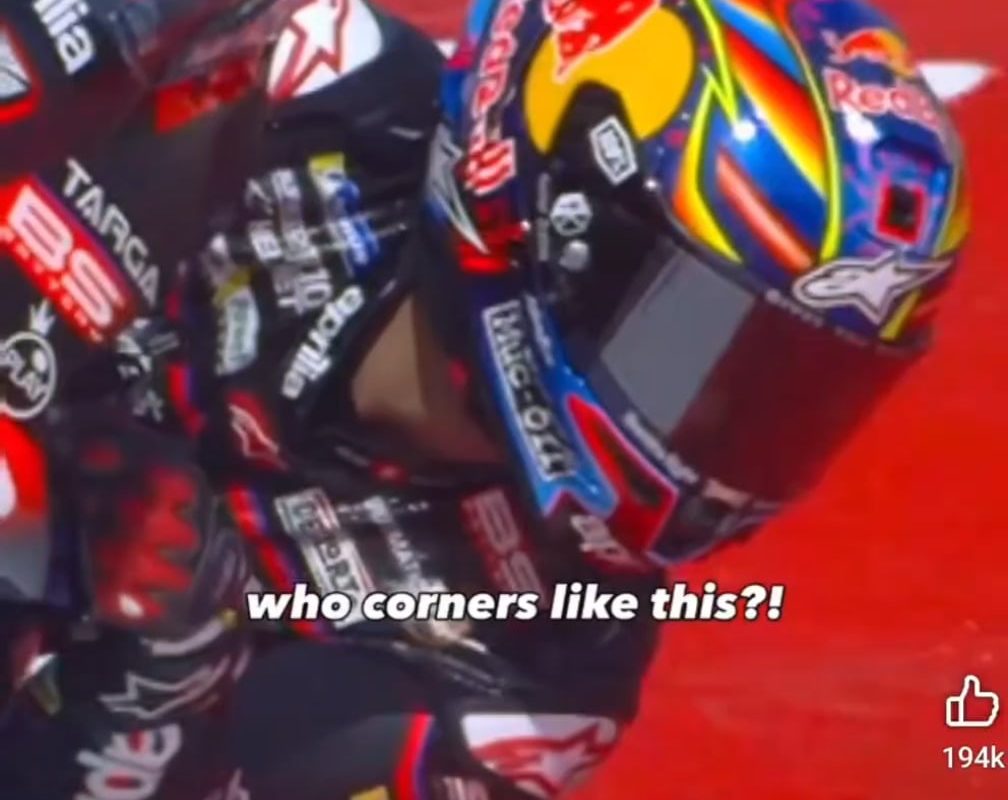
MotoGP rider leaning Into a turn
Mastering the Art of Cornering: The Physics and Technique Behind MotoGP Riders Leaning Into a Turn
When you picture MotoGP, few images are as iconic as a rider scraping their knee, elbow, or even shoulder against the asphalt while leaning into a turn at 150+ mph. This extreme display of balance, precision, and bravery isn’t just for show—it’s a critical part of winning races. In this deep dive, we explore how and why MotoGP riders defy physics by leaning their motorcycles into turns at gravity-defying angles.
Why Do Riders Lean So Far? The Science of Speed
Motorcycle racing is a ballet of centrifugal force, traction, and momentum. To navigate a corner at high speed without losing control or crashing, riders must counteract the force pushing them outward—centrifugal force—by leaning inward.
-
Centrifugal Force vs. Countersteering:
When entering a turn, riders apply a technique called countersteering: momentarily pushing the handlebar away from the direction of the turn. This shifts the bike’s weight, initiating the lean. The sharper the turn or higher the speed, the steeper the lean angle required. -
The Magic of Traction:
Leaning reduces the bike’s effective turning radius, allowing riders to carry more speed through corners. Modern MotoGP tires—slick, heat-activated rubber—generate incredible grip even at lean angles exceeding 60 degrees. -
Maximum Lean Angles:
Top-tier MotoGP riders regularly achieve lean angles of 65 degrees or more (nearly parallel to the ground). For context, a typical street rider rarely exceeds 30 degrees.
Technique Breakdown: How Riders Master the Lean
Achieving these extreme angles isn’t just about courage; it’s about flawless body positioning, throttle control, and timing. Here’s how MotoGP pros do it:
-
Body Positioning:
Riders shift their body weight toward the inside of the turn, often dangling a knee or elbow to act as a “feel gauge” for lean angle. This lowers the bike’s center of gravity and optimizes tire contact with the track. -
Throttle Management:
A delicate balance of acceleration and braking keeps traction intact. Riders slowly roll on the throttle mid-corner to transfer weight to the rear tire, preventing slides. -
Vision and Line Selection:
Eyes focus on the exit point, not the immediate turn. Picking the optimal “racing line” (outside-inside-outside) minimizes distance and maximizes speed. -
The Role of Aerodynamics:
Winglets and fairings on modern MotoGP bikes generate downforce, stabilizing the bike at high lean angles.
Training for the Edge: Physical and Mental Demands
Leaning at extreme angles demands extraordinary athleticism:
- Core Strength: To hold a tucked position while supporting 60% of body weight on one footpeg.
- Reflexes: Adjusting lean mid-corner to account for bumps, tire wear, or rivals.
- Fear Management: Trusting tires and bike setup while centimeters from the ground.
Riders like Marc Márquez and Fabio Quartararo train with motocross, cycling, and simulator drills to hone their cornering reflexes.
Technology’s Role in Pushing Lean Angles Further
Advancements in bike design enable record-breaking leans:
- Carbon Fiber Fairings: Lightweight yet rigid frames improve balance.
- Adjustable Suspension: Electronically controlled systems adapt to track conditions in real-time.
- Tire Innovation: Michelin’s MotoGP slicks offer grip even when deformed at extreme angles.
The Risks: When Leaning Goes Wrong
Despite technology and skill, crashes are part of the sport. Highsides (violent throws from the bike) often occur when rear tires lose traction mid-lean, while lowsides happen when front tires slide out. Protective gear—airbag suits, armored leathers, and helmets—are non-negotiable.
Iconic Moments: Riders Who Redefined Cornering
- Valentino Rossi: The “Doctor” popularized the knee-down style in the early 2000s.
- Marc Márquez: Known for his elbow-dragging leans, pushing angles beyond 68 degrees.
Conclusion: Where Art Meets Physics
Leaning into a turn in MotoGP isn’t just a spectacle—it’s a symphony of engineering, athleticism, and split-second decision-making. As bikes and tires evolve, lean angles will grow steeper, blurring the line between impossibility and victory. Next time you watch a MotoGP race, remember: every gravity-defying lean is a rider dancing on the edge of physics itself.
Targeted SEO Keywords:
MotoGP leaning technique, motorcycle cornering physics, MotoGP rider angle, racing motorcycle turns, motorcycle racing techniques, MotoGP cornering speed, extreme motorcycle lean, how MotoGP riders turn, motorcycle racing aerodynamics.
Meta Description:
Discover how MotoGP riders lean into turns at 65+ degrees! Explore the physics, training, and tech behind motorcycle racing’s most breathtaking cornering techniques.