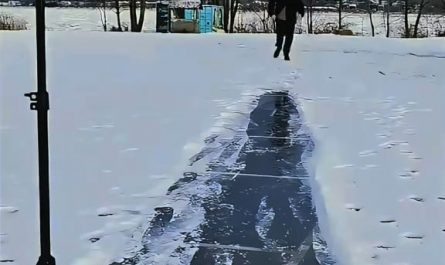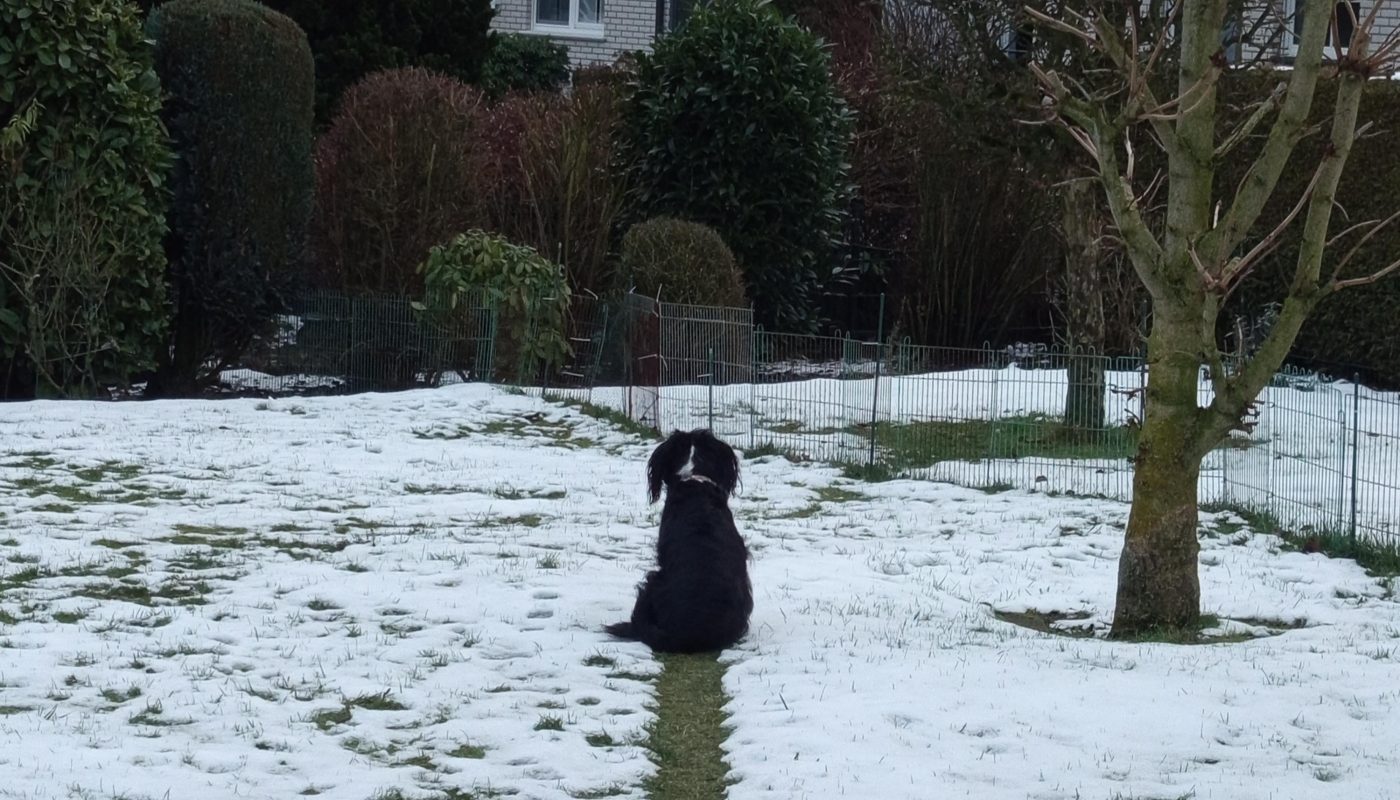
My doggo’s chosen path
Title: Understanding Your Dog’s Chosen Path: How Canine Instincts Shape Their Behavior & How to Support Them
Meta Description: Discover why your doggo chooses specific paths, routines, or habits. Dive into the science of canine behavior and learn how to nurture their instincts while fostering trust.
Introduction: The Mystery of Your Dog’s “Chosen Path”
Every dog owner has seen it: Your furry friend insists on walking the same route every morning, obsesses over a particular toy, or stubbornly demands to nap in one cozy corner of the house. These quirks might seem random, but they often reflect your pup’s instincts, past experiences, or unique personality—their “chosen path.” Whether it’s a route they take during walks, a ritualistic behavior, or a quirky habit, understanding why dogs cling to these patterns can deepen your bond and improve their quality of life.
In this article, we’ll explore the science and psychology behind your doggo’s chosen paths, from evolutionary instincts to emotional needs. Plus, we’ll share actionable tips to support your pup’s individuality without compromising their safety or training.
Section 1: Why Dogs Develop “Chosen Paths”
1. Instincts & Evolutionary Survival Tactics
Dogs descend from wolves, animals wired to follow familiar trails for hunting and safety. Your dog’s preference for specific paths may stem from an innate drive to:
- Avoid threats: Retracing “safe” routes minimizes surprises.
- Mark territory: Repetition reinforces scent-marking.
- Conserve energy: Known paths require less mental effort.
2. Comfort & Routine
Like humans, dogs thrive on predictability. A “chosen path” (whether physical or behavioral) can reduce anxiety by creating structure. For example:
- Walk routines: Dogs may prefer streets with fewer loud noises.
- Nesting habits: Older dogs often seek soft, enclosed spaces for joint relief.
3. Positive Reinforcement & Memory
If a path leads to a rewarding experience—like finding squirrels, sniffing enticing scents, or earning treats—your dog will remember and seek it repeatedly.
Section 2: Decoding Your Dog’s Unique Behavior
Is it a quirk, anxiety, or obsession? Here’s how to interpret your dog’s behavior:
- ✅ Healthy Habits: Relaxed body language, adaptability if paths change.
- ⚠️ Stress Indicators: Whining, pacing, or refusal to deviate (may signal fear or OCD).
Example: A dog fixated on chasing shadows likely needs mental stimulation, while a senior dog avoiding stairs might have arthritis.
Section 3: How to Support Your Dog’s Choices (While Keeping Them Safe)
1. Respect Their Preferences When Possible
- Let them sniff on walks—it’s mental enrichment!
- Provide multiple cozy resting spots if they favor certain textures or warmth.
2. Introduce Gentle Flexibility
- Gradually vary walking routes to prevent rigidity. Reward curiosity with praise.
- Use puzzles/training to redirect obsessive behaviors into healthy outlets.
3. Rule Out Health Issues
Sudden changes in routine (e.g., avoiding stairs) could indicate pain. Consult your vet.
4. Build Trust Through Choice
Offer options: “Which toy?” or “Left or right at the intersection?” This empowers them without compromising boundaries.
Section 4: When to Intervene
While honoring your dog’s individuality is key, some behaviors require redirection:
- 🚨 Resource guarding (e.g., guarding a “chosen” bed aggressively).
- 🚨 Compulsive behaviors (e.g., tail-chasing for hours).
- 🚨 Avoidance of essentials (e.g., refusing to go outside due to fear).
Work with a certified trainer or behaviorist to address these issues compassionately.
Conclusion: Embrace the Journey Together
Your dog’s “chosen path” is a window into their mind and instincts. By balancing respect for their preferences with gentle guidance, you create a happier, more confident companion. Celebrate their quirks, nurture their needs, and remember—every detour you take together strengthens your bond!
FAQ Section
Q: Why does my dog take the exact same route every walk?
A: Familiar paths reduce stress and satisfy instinctual “patrolling” behavior. It’s normal unless paired with anxiety.
Q: How do I stop my dog from obsessing over one toy/path?
A: Introduce new stimuli slowly. Use positive reinforcement when they explore alternatives.
Q: Is letting my dog “choose” spoiling them?
A: No! Offering controlled choices builds trust and confidence. Just maintain clear rules (e.g., no pulling on walks).
Q: Could my dog’s path preferences be genetic?
A: Yes! Herding breeds often circle, while scent hounds follow trails—breed traits influence behavior.
Keywords for SEO: dog behavior, canine instincts, understanding your dog, dog walking routines, dog anxiety, dog habits, positive reinforcement for dogs, bonding with your dog, dog psychology.
By blending science-backed insights with empathy, you’ll not only rank for “dog behavior” searches but also resonate with fellow pet parents navigating their doggo’s unique journey! 🐾