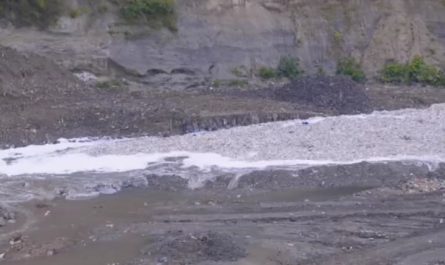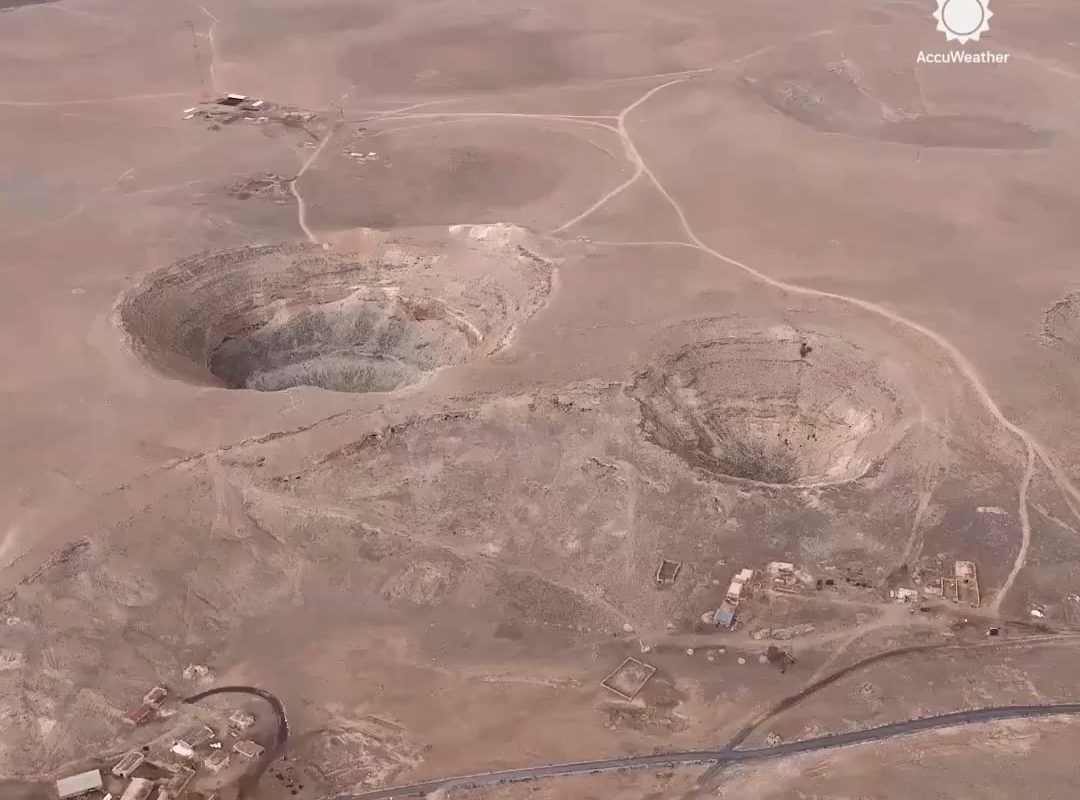
Nearly 700 sinkholes have appeared in parts of Turkey, with new ones showing up, fueled by extreme drought.
Title: Turkey’s Growing Threat: Nearly 700 Sinkholes Emerge Amid Extreme Drought
Meta Description: Discover why nearly 700 sinkholes have formed in Turkey due to extreme drought, their impact on communities, and what’s being done to combat this environmental crisis.
Introduction
Turkey is facing an alarming geological crisis as nearly 700 sinkholes have appeared across the country, with new ones forming weekly. Fueled by severe drought and unsustainable agricultural practices, these enormous craters threaten farmland, infrastructure, and lives. This article explores the causes, impacted regions, and solutions to Turkey’s escalating sinkhole emergency.
What’s Causing Turkey’s Sinkhole Epidemic?
Sinkholes form when underground cavities collapse, often due to water erosion. In Turkey’s case, extreme drought has accelerated their formation:
-
Drought-Driven Water Scarcity:
- Prolonged drought has depleted groundwater reserves, causing soil and sediment above to destabilize.
- Turkey’s Lake Tuz (Salt Lake), a critical ecosystem, has shrunk by 30% since 2000, exemplifying the severity of water loss.
-
Over-Reliance on Groundwater:
- Farmers in arid regions like the Konya Plain rely heavily on illegal wells to irrigate crops, draining aquifers faster than rainfall can replenish them.
- The Konya Basin now reports 40-50 new sinkholes annually, up from just 2–3 per year in the 2000s.
-
Geology at Risk:
- Regions like Cappadocia have soft, limestone-rich soil prone to erosion. With less water to hold the earth together, collapses become inevitable.
Hotspots: Where Are Sinkholes Multiplying?
The Konya Plain, known as Turkey’s “breadbasket,” is the epicenter of the crisis:
- Over 600 sinkholes have been identified in Konya alone, some exceeding 50 meters (164 feet) in depth.
- Rural towns like Karapınar have become “sinkhole graveyards,” with craters swallowing roads, fields, and even livestock.
- Other affected regions include Antalya, Niğde, and Aksaray, where tourism and agriculture face mounting risks.
Human and Economic Toll
- Farmland Destruction: Sinkholes have rendered fertile land unusable, crippling livelihoods in agriculture-dependent communities.
- Infrastructure at Risk: Highways, irrigation canals, and buildings near sinkhole-prone zones require costly repairs or relocation.
- Fear and Displacement: Locals report anxiety about new collapses, with some abandoning ancestral homes due to safety concerns.
Climate Change and Drought: A Vicious Cycle
Scientists warn Turkey’s drought is intensifying due to climate change:
- Rising temperatures reduce snowfall in the Anatolian Mountains, a key water source for rivers and aquifers.
- The government has declared 2021 and 2023 the country’s driest years in decades, exacerbating groundwater overuse.
Mitigation Efforts and Solutions
Authorities are racing to curb the crisis through:
- Regulating Groundwater Use:
- Banning illegal wells and installing smart meters to monitor extraction.
- Promoting drip irrigation and drought-resistant crops to reduce water demand.
- Sinkhole Monitoring:
- Using drones and ground-penetrating radar to map high-risk areas.
- Long-Term Water Management:
- Investing in reservoirs, wastewater recycling, and public awareness campaigns.
Despite these efforts, experts warn that replenishing groundwater could take decades, requiring urgent global climate action.
Conclusion: A Warning for the Future
Turkey’s sinkhole outbreak is a stark reminder of how climate change and resource mismanagement can destabilize the very ground we stand on. As the nation battles drought and disappearing water, the crisis underscores the need for sustainable farming, strict water policies, and international cooperation to protect vulnerable regions worldwide.
For now, the people of Konya and beyond watch their land with trepidation, hoping the earth beneath them doesn’t give way.
Keywords for SEO: Turkey sinkholes, extreme drought Turkey, Konya Plain sinkholes, groundwater depletion, climate change Turkey, sinkhole causes, drought impact, Turkish agriculture, environmental crisis Turkey.
Internal/External Linking Opportunities:
- Link to Turkish government drought reports or scientific studies on Mediterranean climate change.
- Connect to related content on sustainable farming or global sinkhole hotspots.
Image Suggestions:
- A drone shot of a massive sinkhole in Konya.
- A map showing sinkhole density across Turkey.
- Before/after photos of Lake Tuz’s decline.
By addressing the intersection of climate change, geology, and human activity, this article aims to inform and drive action toward sustainable solutions.