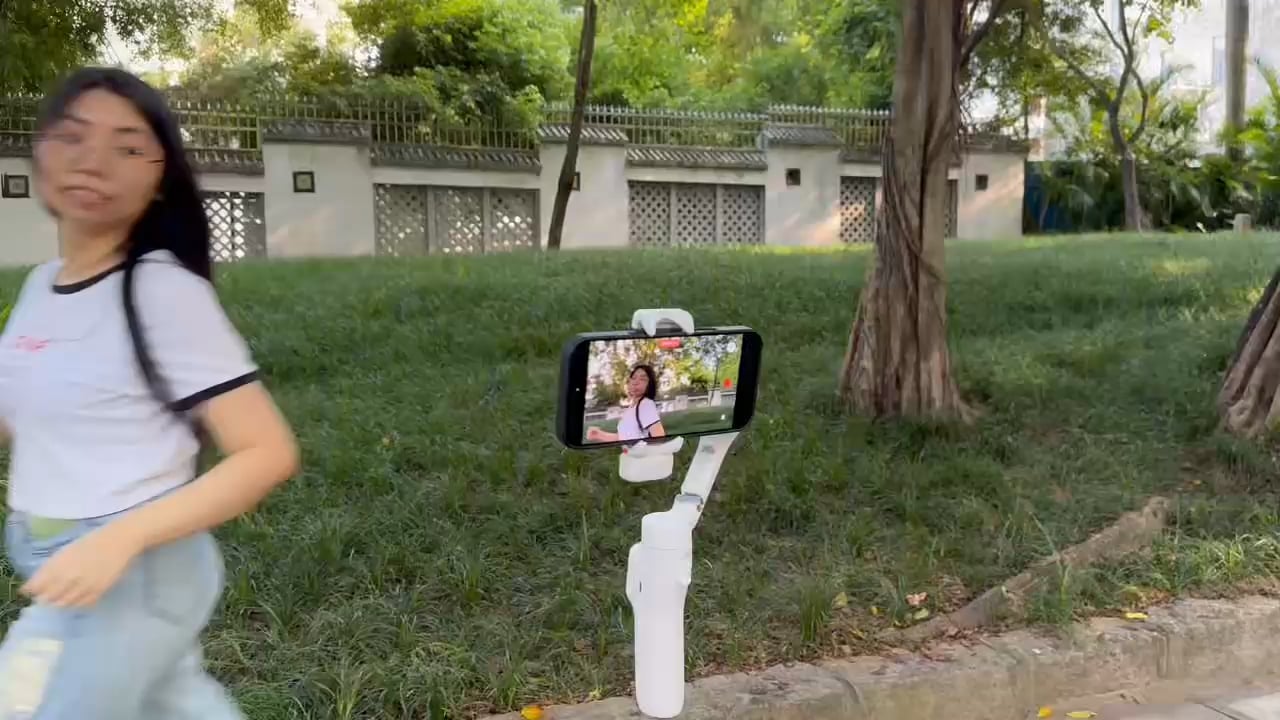
Never knew motion tracking in gimbal meant this. Now this is next level
Title: Never Knew Motion Tracking in Gimbal Meant This? Now THIS Is Next-Level Filmmaking
In the world of video production and content creation, gimbals are no longer just tools for stabilizing shaky footage—they’ve evolved into intelligent, AI-driven filmmaking assistants. If you thought gimbal motion tracking was just about keeping your camera steady, think again—this technology has leaped into the future, unlocking capabilities that feel like something out of sci-fi. Here’s what you probably never knew about gimbal motion tracking… and why this is truly next-level.
What Most People Think Motion Tracking Means (Hint: They’re Wrong)
The basics are simple: gimbals use motors to counteract hand movements, keeping your footage smooth. Early “tracking” features let you manually follow a subject—a person walking, a car driving—by panning the gimbal. But that’s like calling a tricycle a Ferrari.
Modern motion tracking has evolved into something far more sophisticated:
- AI-Powered Subject Recognition: Cameras and apps now autonomously detect faces, bodies, animals, or even objects.
- Predictive Movement Algorithms: The gimbal doesn’t just follow—it anticipates motion to stay ahead of the action.
- Depth Mapping & Obstacle Avoidance: High-end gimbals use sensors to navigate around obstacles while tracking.
The Mind-Blowing Tech You Didn’t Know Existed
Here’s where it gets wild: companies like DJI (Ronin series), Zhiyun (Crane line), and Moza are embedding machine learning and computer vision into gimbals. We’re talking features like:
-
Hands-Free Active Tracking
No more manual controls—lock onto a subject with a tap, and the gimbal follows them 360°, even if they weave through crowds or change speed. Perfect for solo creators filming themselves while skiing, dancing, or vlogging. -
Automatic Framing Modes
Set your gimbal to keep a subject centered, or shift dynamically between close-ups and wide angles depending on movement (e.g., filming a cyclist speeding toward you). -
Gesture & Voice Control
Wave your hand or say “follow me,” and the gimbal locks onto you—no remote needed. -
Multi-Subject Tracking
Some systems can track multiple faces/objects simultaneously, switching focus based on preset priorities.
Why This Changes Everything for Creators
- Solo Shooters Can Compete with Crews: One person can now capture complex tracking shots previously requiring a camera operator and a dolly grip.
- Hyper-Fluid Cinematic Shots: Imagine a gimbal orbiting a subject like a drone, or pivoting smoothly from ground-level to overhead without resetting.
- Time-Saving Post-Production: Reduce hours spent cropping/framing in editing—the gimbal does the work in-camera.
Real-World Use Cases Breaking Boundaries:
- A fitness influencer records a HIIT workout—hands-free—while the gimbal keeps her perfectly framed as she jumps, squats, and sprints.
- A wedding filmmaker captures the first dance with cinematic pans and locks, guided by AI without distracting the couple.
- Documentarians track wildlife without startling subjects, relying on silent, AI-assisted tracking.
Choosing the Right Motion Tracking Gimbal
Not all tracking is equal! Look for:
- Advanced Processing: Check for terms like Deep Learning, LiDAR, or ToF (Time-of-Flight) sensors.
- App Integration: The best features often live in companion apps (e.g., DJI Ronin’s Active Track 5.0 via DJI Mimo).
- Battery Life: AI workloads drain power faster—aim for 8+ hours.
- Payload Capacity: Ensure the gimbal can handle your camera/lens combo.
Top Picks (2024):
- DJI RS 4 Pro: Industry-leading AI tracking and auto-framing.
- Zhiyun Crane 4S: Affordable powerhouse with gesture control.
- Moza Air 3: Budget-friendly but packs multi-subject tracking.
The Future? Gimbals as “Smart Directors”
Soon, gimbals may autonomously adjust settings (ISO, shutter speed) while tracking or even suggest shot compositions based on AI analysis of your scene. With AR overlays and real-time editing, creators could essentially have a robot cinematographer in their backpack.
FAQ: Motion Tracking Gimbal Myths Debunked
- “Do I need a super expensive camera?”
No! Most consumer gimbals work brilliantly with smartphones and mirrorless cameras. - “Is there lag?”
Modern systems have near-zero latency—AI predicts movement faster than humans react. - *“Does it work in low light?”**
Infrared sensors and advanced noise reduction make it possible (though performance varies).
Conclusion: This Isn’t Just Stabilization—It’s Revolution
Motion tracking in gimbals isn’t a gimmick—it’s a quantum leap in creative freedom. Whether you’re filming viral TikTok clips, indie films, or travel documentaries, this tech turns ambitious shots into effortless realities.
The next level isn’t coming—it’s already here. And once you try AI-driven tracking, you’ll wonder how you ever filmed without it.
Keywords for SEO:
AI gimbal tracking, next-level motion tracking, smart gimbal technology, cinematic gimbal features, AI subject tracking, hands-free filming, DJI Active Track, Zhiyun motion tracking, future of gimbals, autonomous camera movement.
Meta Description:
Discover how motion tracking in modern gimbals uses AI to create Hollywood-level shots autonomously. Spoiler: It’s not just stabilization anymore—this is revolutionary.